Explaining the faith
Saints who explained the faith with care, and taught others to do the same.
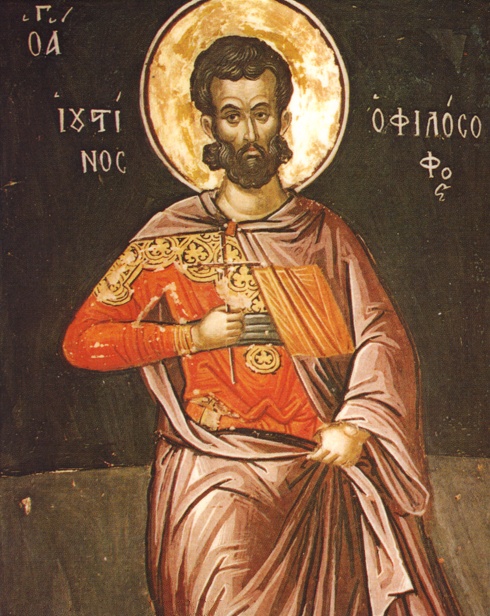
St. Justin Martyr
An early Christian who defended the faith in writing, and was martyred for it.
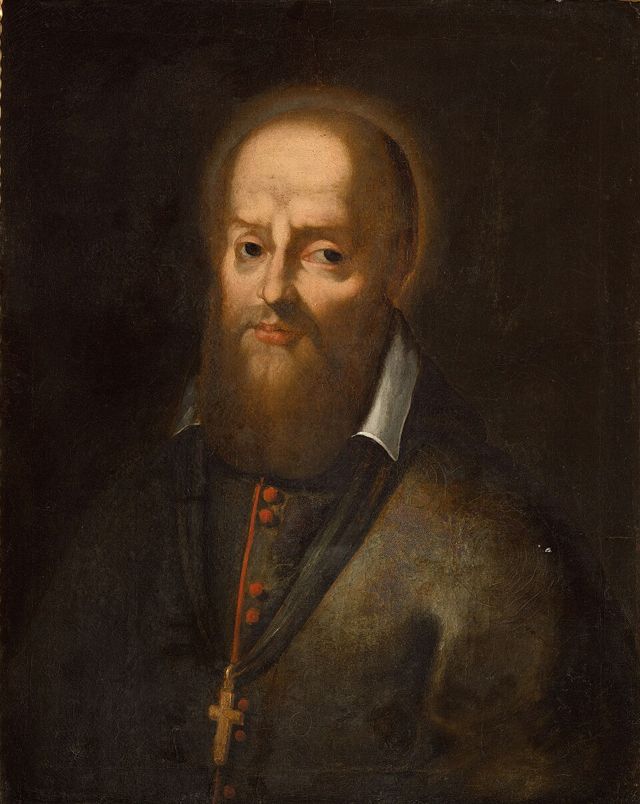
St. Francis de Sales
He explained the faith patiently, in ordinary language, to people who had left or never known it.
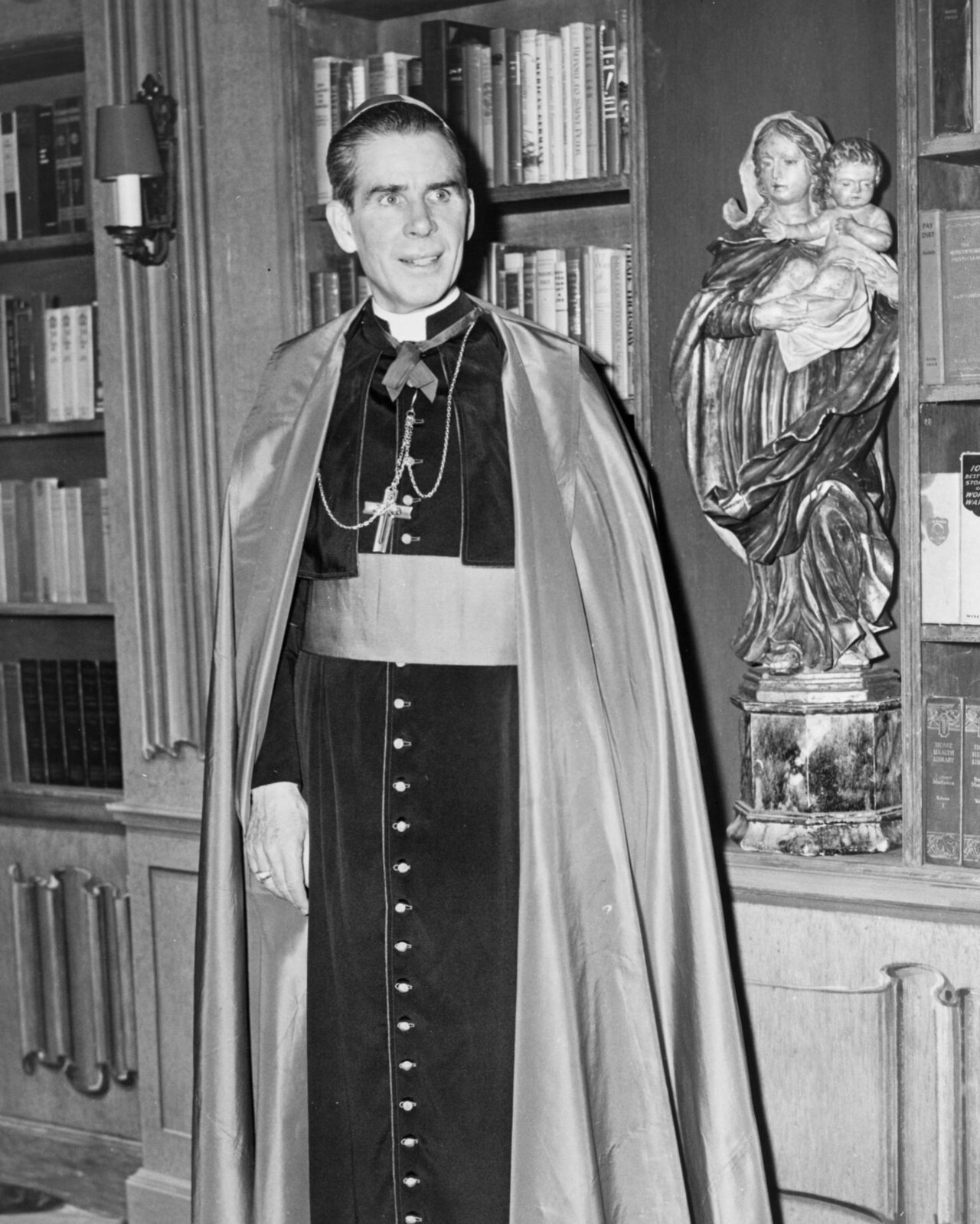
Bl. Fulton J. Sheen
A modern teacher who explained Catholic faith in public, on radio and television.
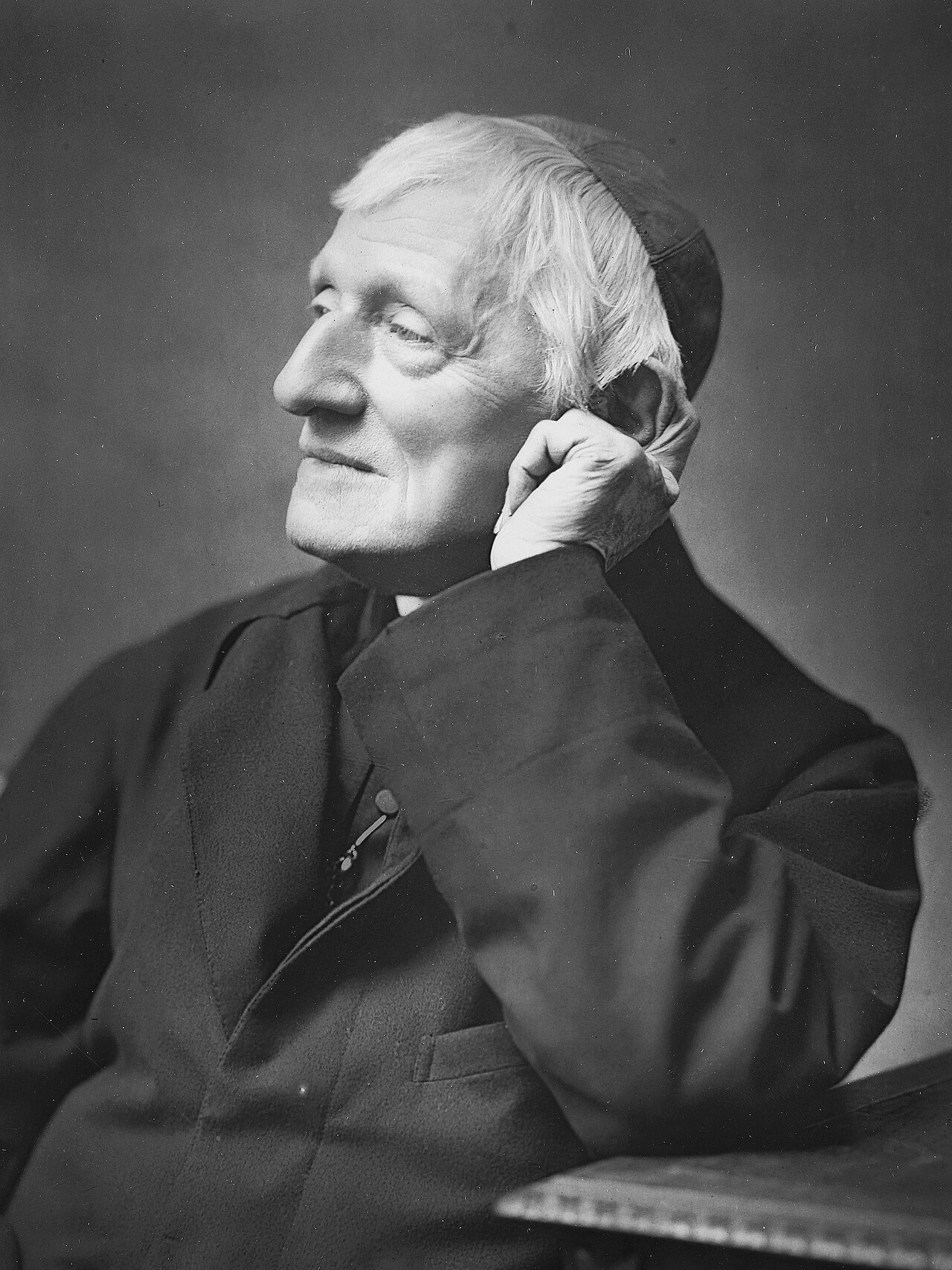
St. John Henry Newman
His essays and sermons model a careful, honest way of persuading, without shortcuts.
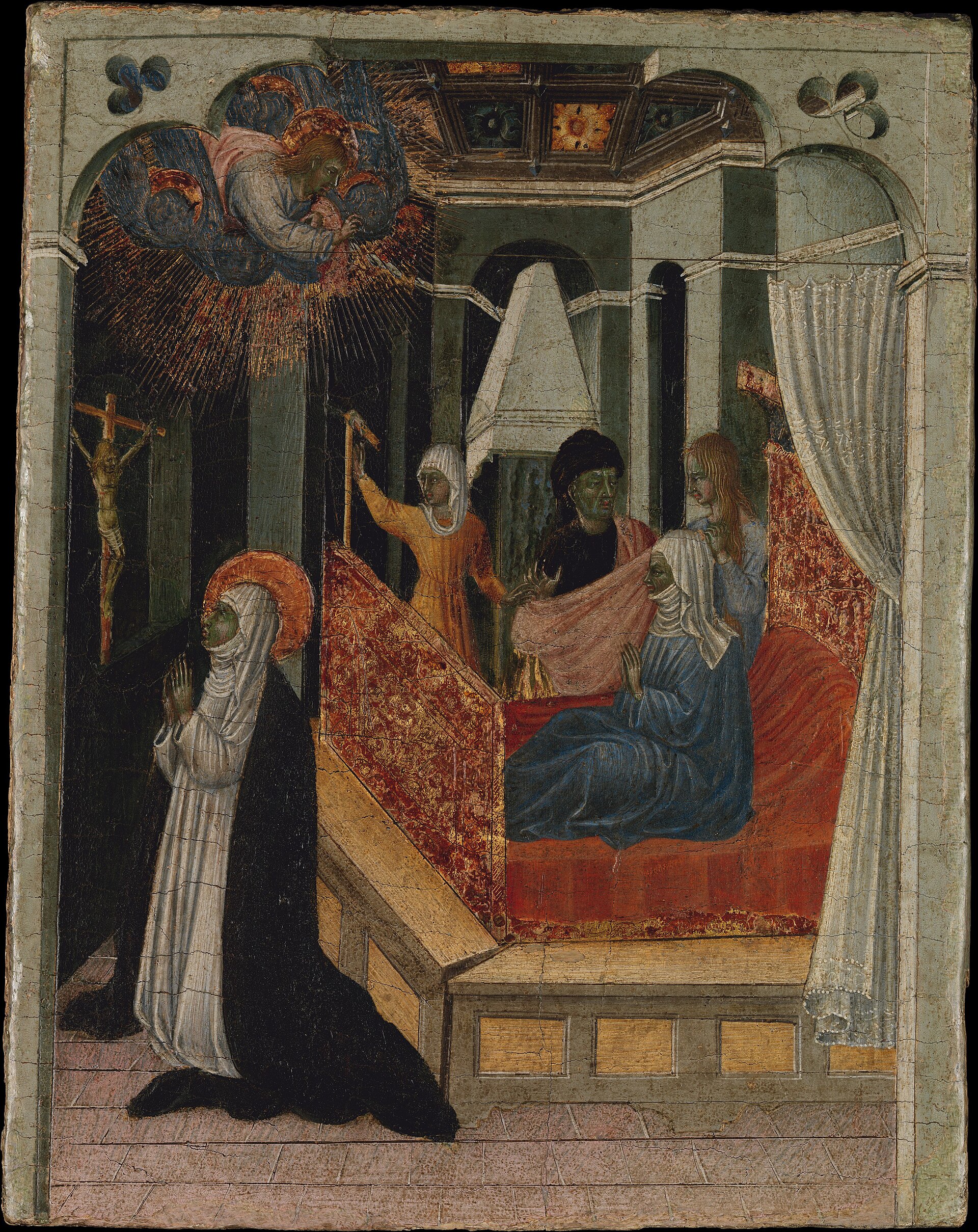
St. Catherine of Siena
She wrote and spoke plainly to popes and to ordinary people about the truth she saw.
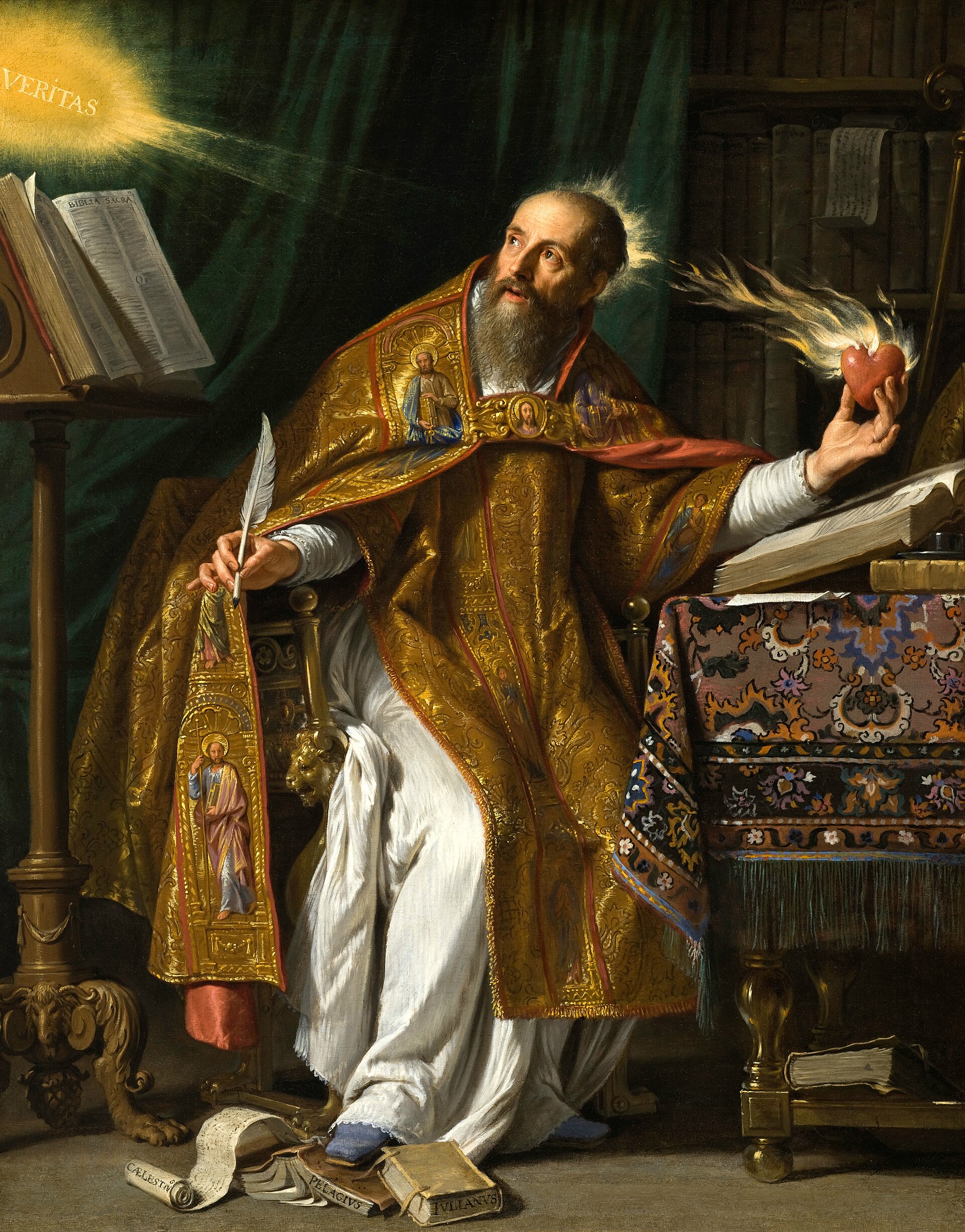
St. Augustine of Hippo
He wrote The City of God, On the Trinity and hundreds of sermons and letters that shaped Western theology.
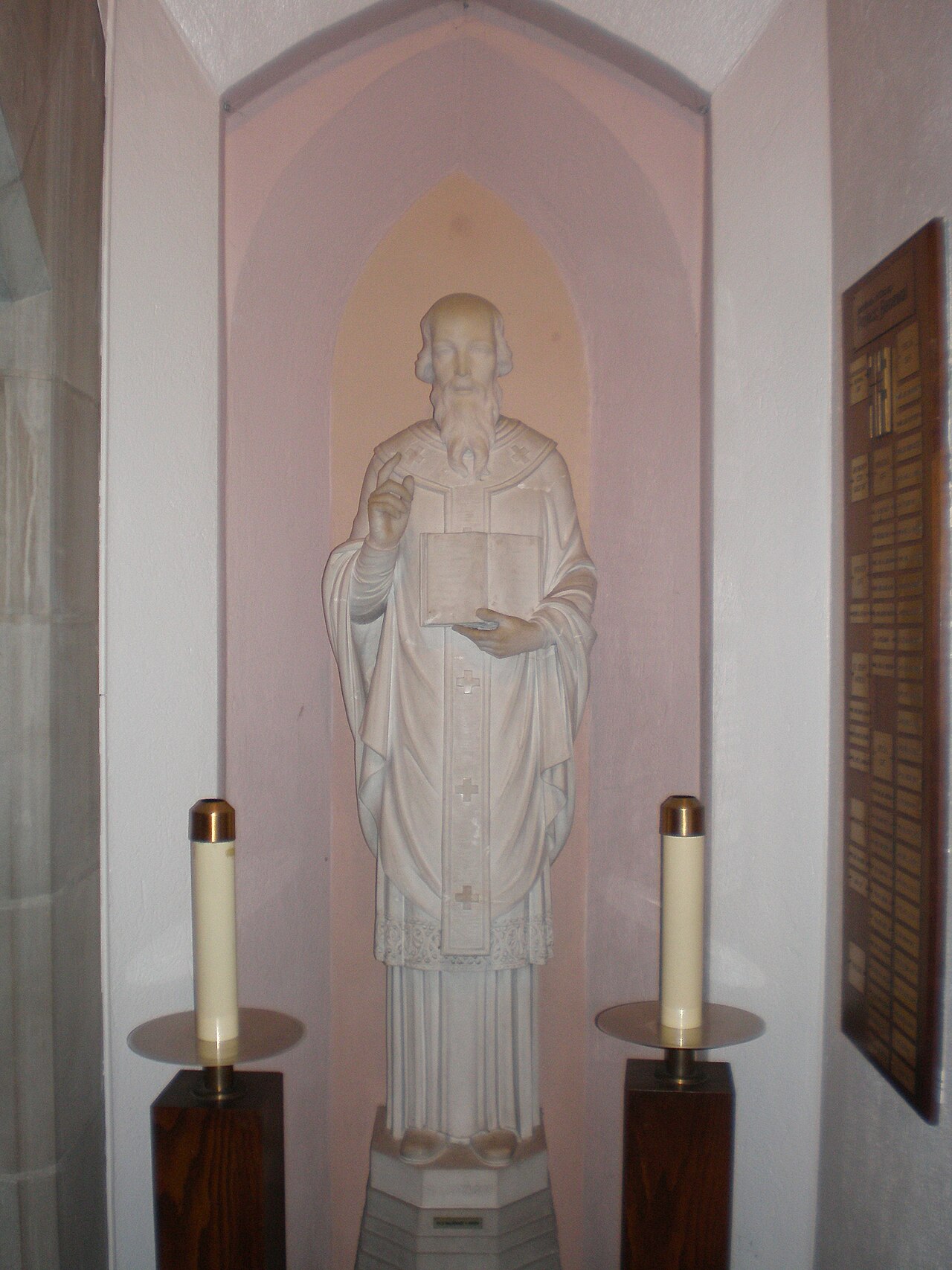
St. Athanasius
His writings, including On the Incarnation, made him a key theological voice against heresy.

St. Irenaeus of Lyons
His Against Heresies answers false knowledge and witnesses to early doctrine.
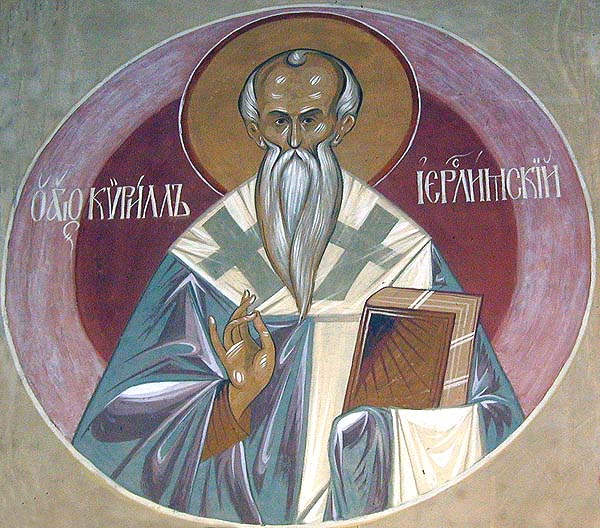
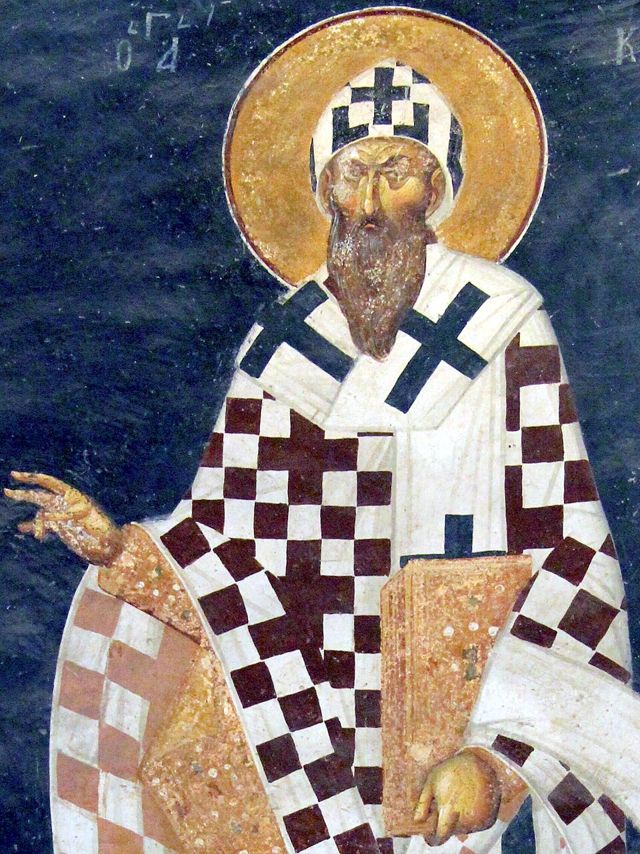
St. Cyril of Jerusalem
His Catecheses are Lenten and Easter-week instructions for those preparing for baptism and the newly baptized.
St. Cyril of Alexandria
He wrote extensively to explain and defend Christian teaching about Christ.
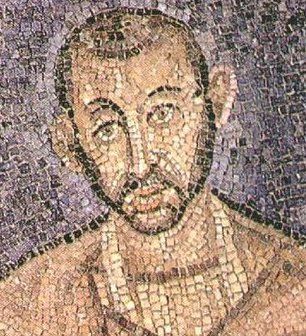
St. Ambrose
He added books on the Faith answering Arian arguments and the Scripture passages they used.
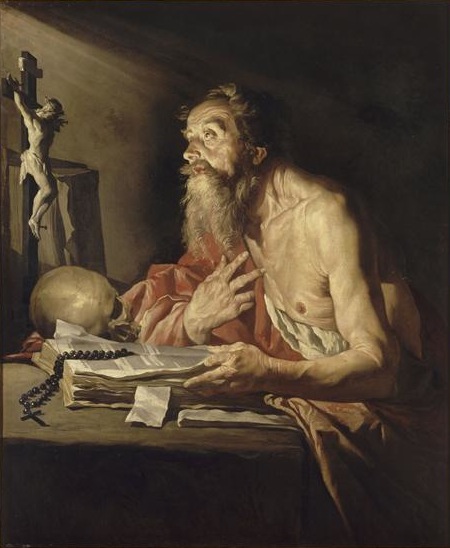
St. Jerome
He wrote commentaries and a stream of controversy against Helvidius, Jovinian, Vigilantius, and the Pelagians.
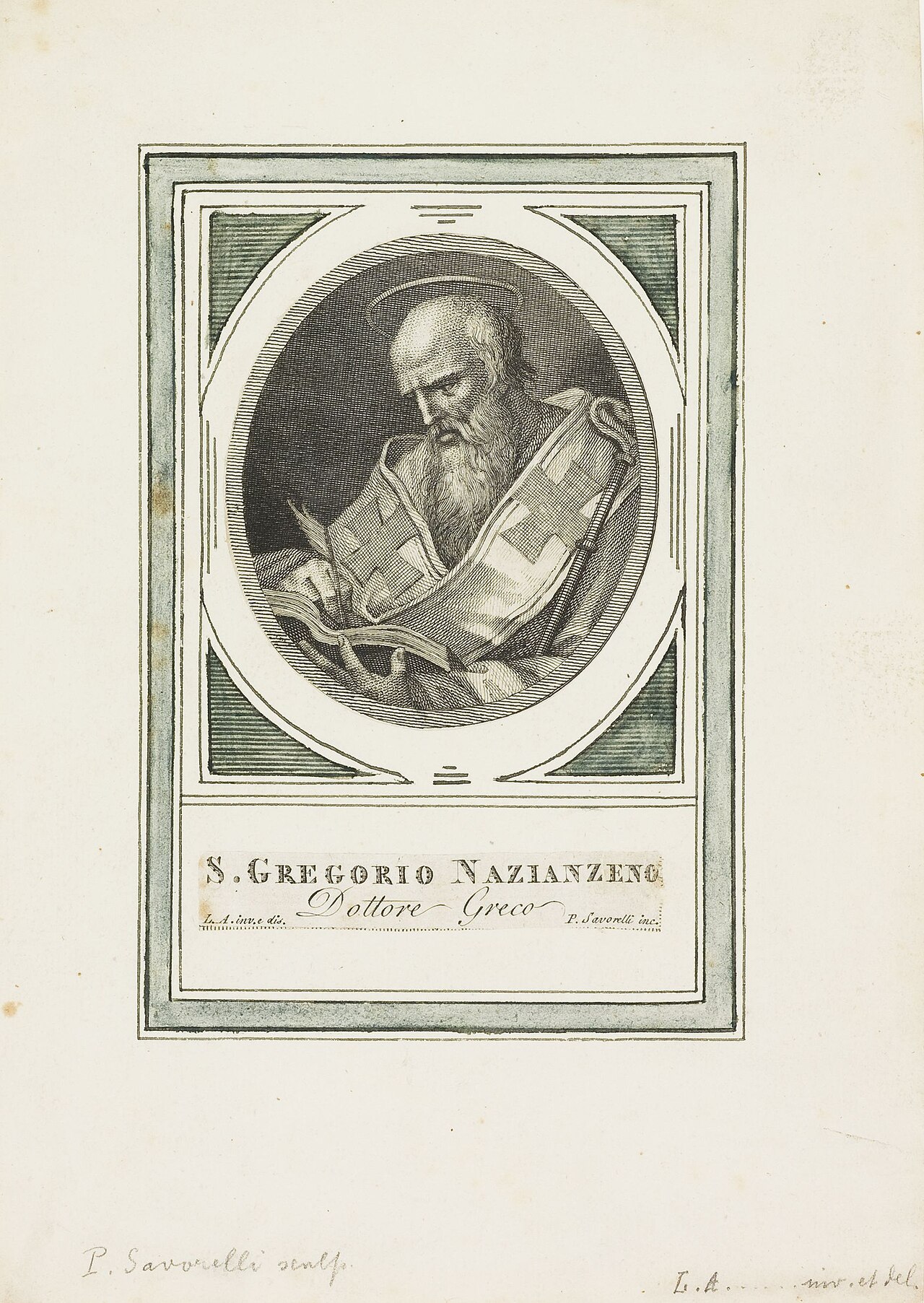
St. Gregory Nazianzen
He preached five discourses on the Trinity in Constantinople that earned him the title 'the Theologian'.
St. Basil the Great
He drew up a summary of the orthodox faith and wrote against heretics.
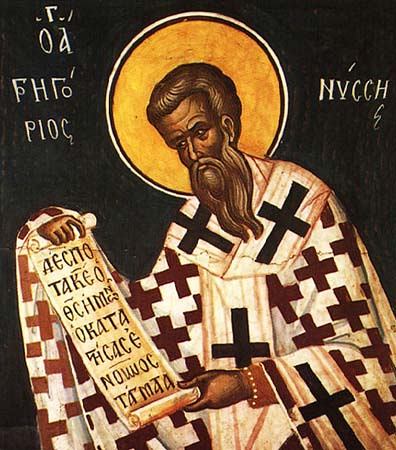
St. Gregory of Nyssa
His Great Catechism presents a sustained defense of Christian teaching.
St. Ephraem the Syrian
He argued against the heretical sects of Edessa and taught in sermons, hymns and commentaries.

St. Anselm, Archbishop of Canterbury
His Proslogion offers a famous argument for God under the motto 'faith seeking understanding'.
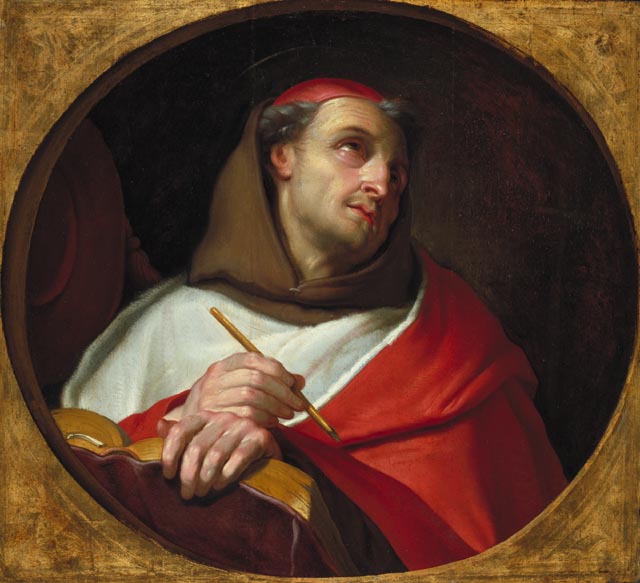
St. Bonaventure
He earned the degree of Master in theology in 1257 alongside Thomas Aquinas.
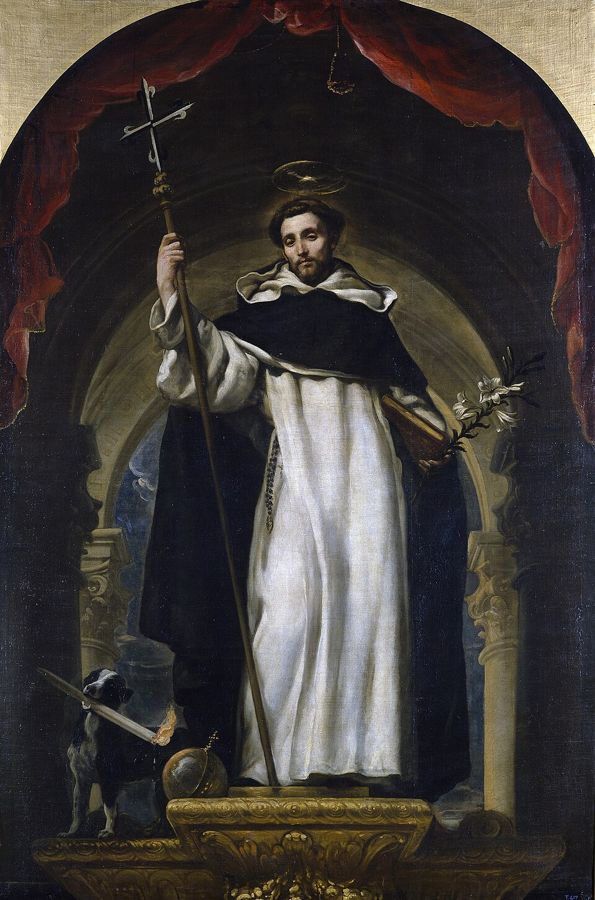
St. Dominic
He conceived an order of preachers after seeing the ruin wrought by the Albigensian heresy.
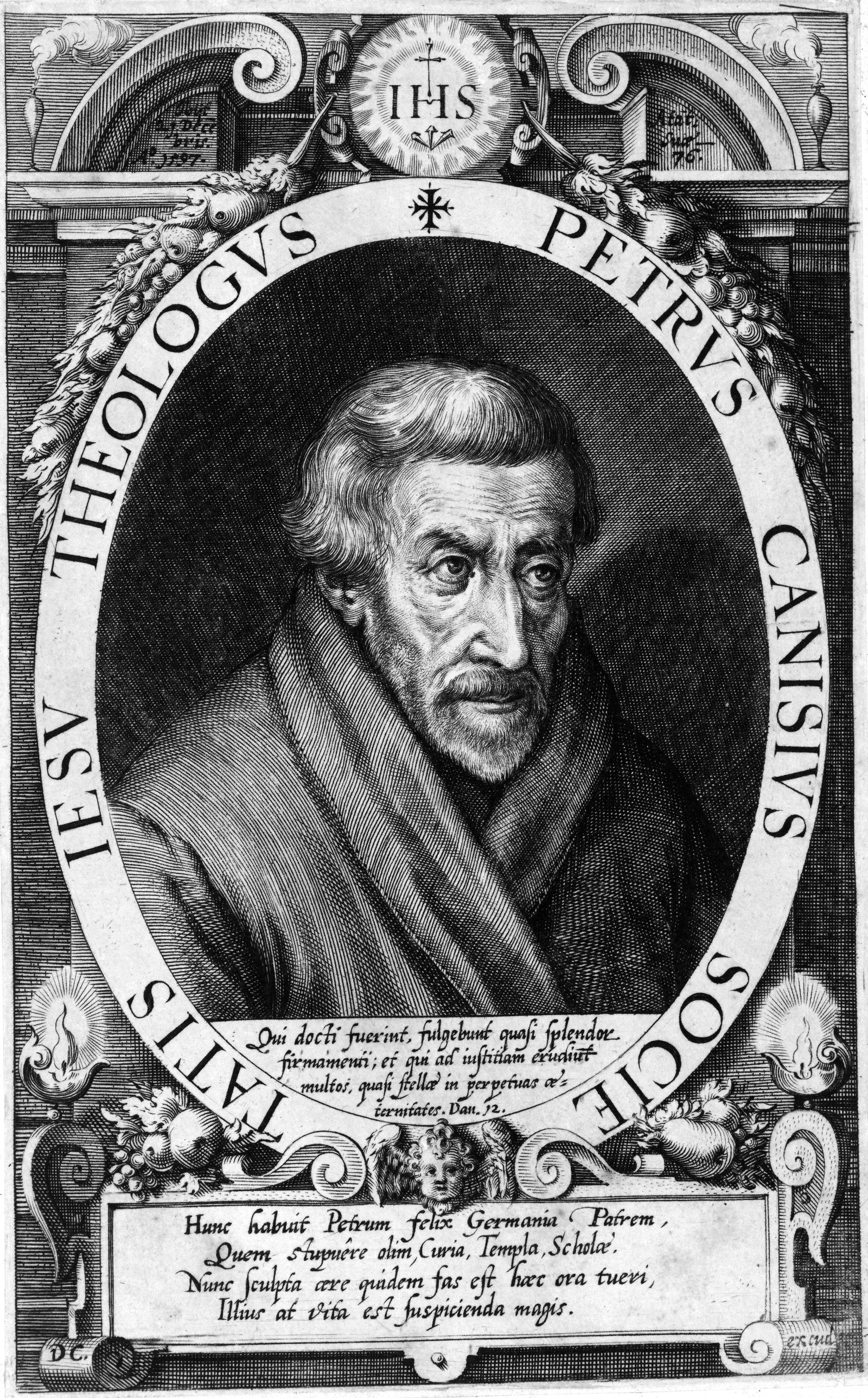
St. Peter Canisius
His catechisms gave clear Catholic answers during the Reformation.

St. Robert Bellarmine
His Controversies systematically answered Reformation-era objections to Catholic doctrine.
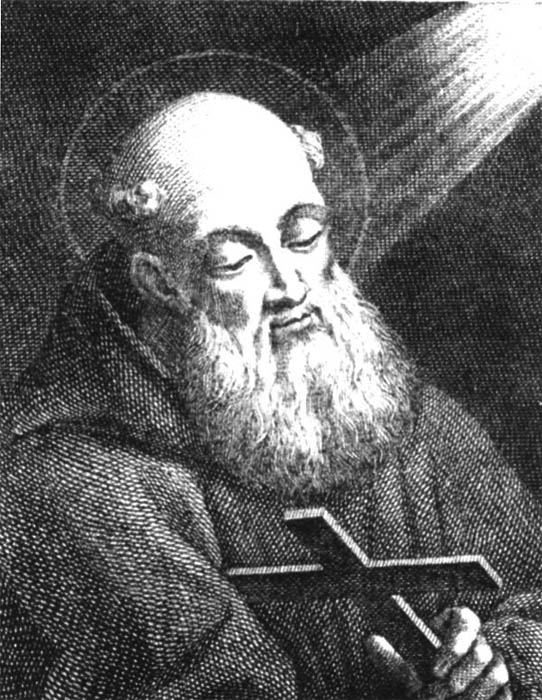
St. Lawrence of Brindisi
He helped convert many Protestants back to Catholicism during the Counter-Reformation.
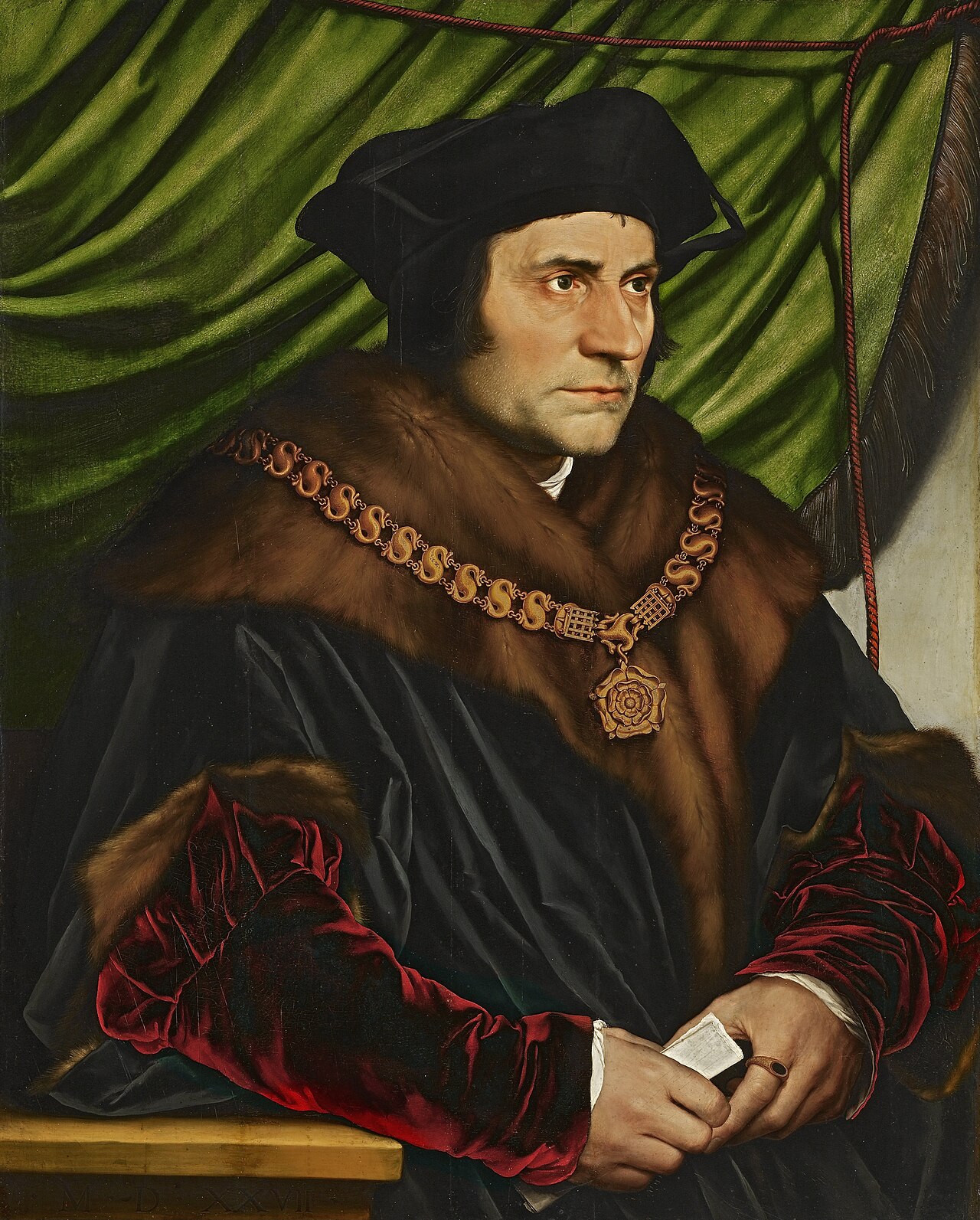
St. Thomas More
He answered the Reformers' books by writing in English so ordinary readers could follow.
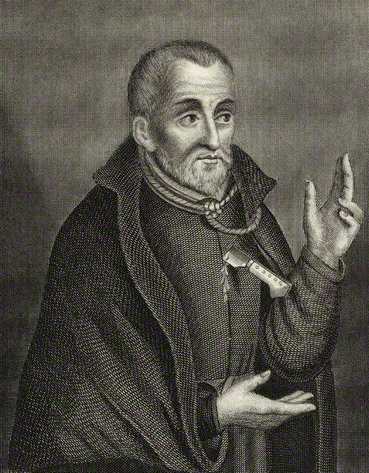
St. Edmund Campion
He became known for preaching and writings, including his pamphlet Decem Rationes.
St. Hilary of Poictiers
During exile he wrote his books On the Trinity.

Pope St. Leo the Great
Chalcedon accepted his letter as the Catholic faith concerning the Person of Christ.
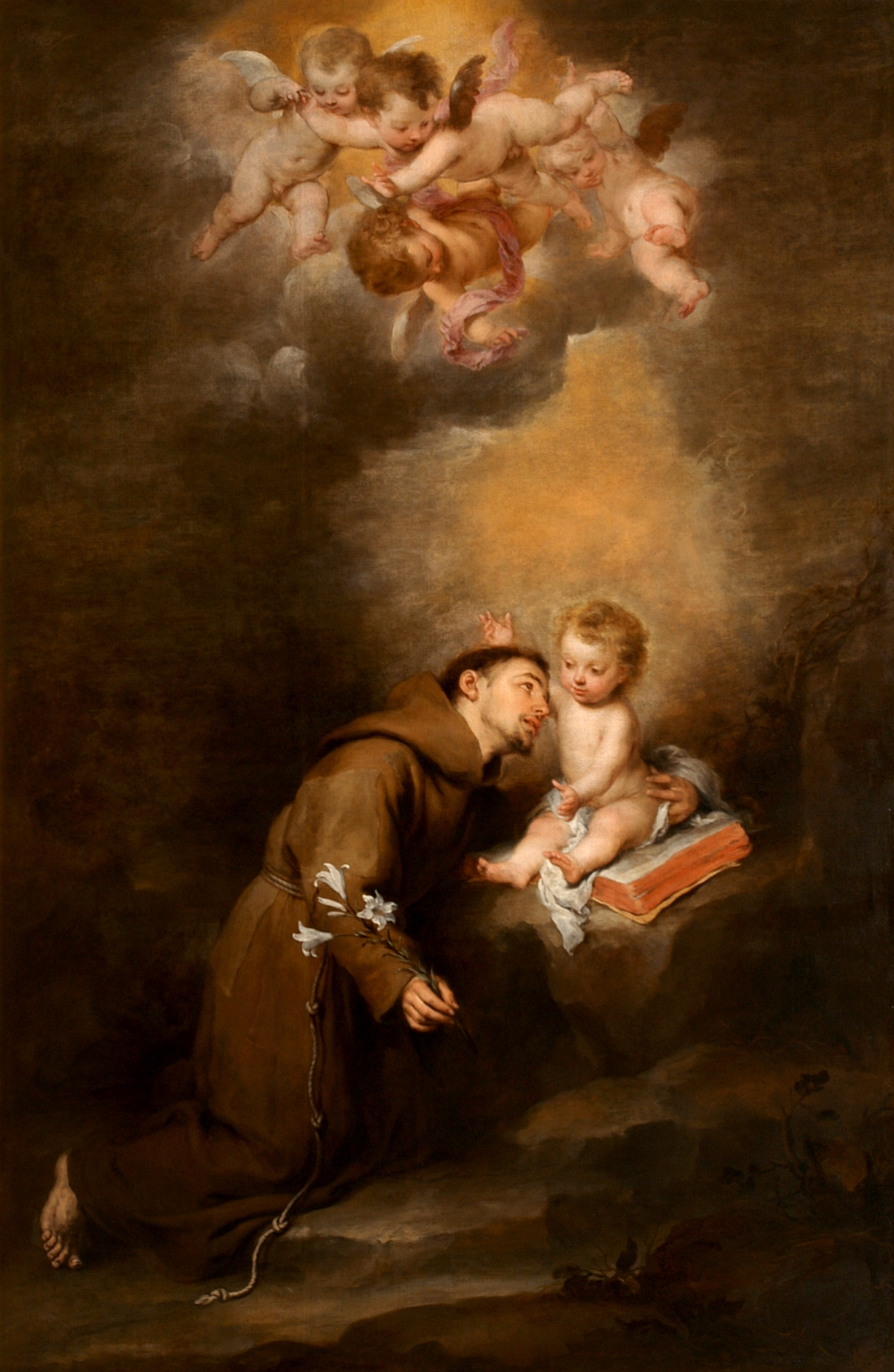
St. Anthony of Padua
Francis approved his teaching of theology to the friars, making him one of the order's first theology teachers.
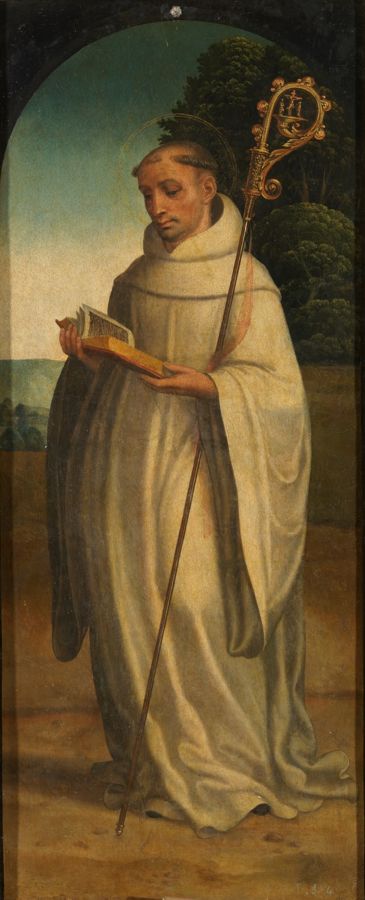
St. Bernard
About 1140 he opposed Abelard's new errors in a doctrinal conflict.
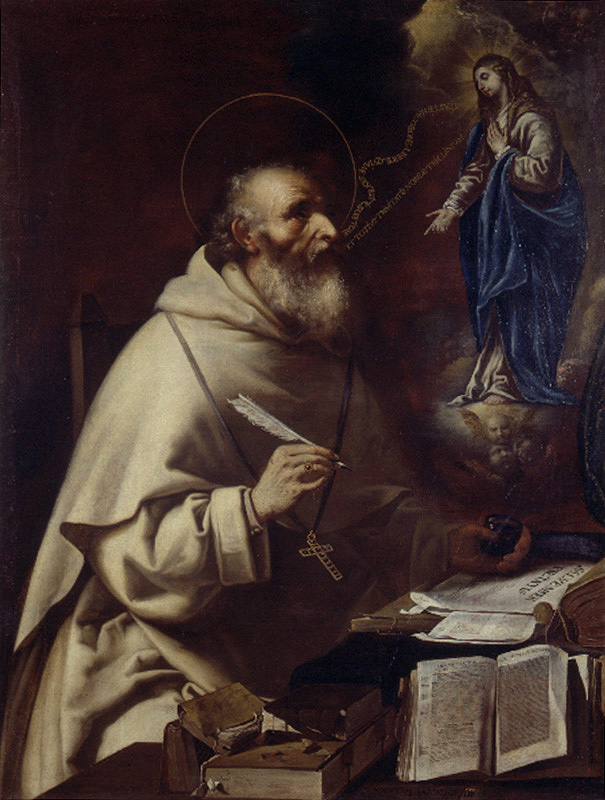
St. Albert the Great
He taught theology at Hildesheim, Freiburg, Ratisbon, Strasburg and Cologne.
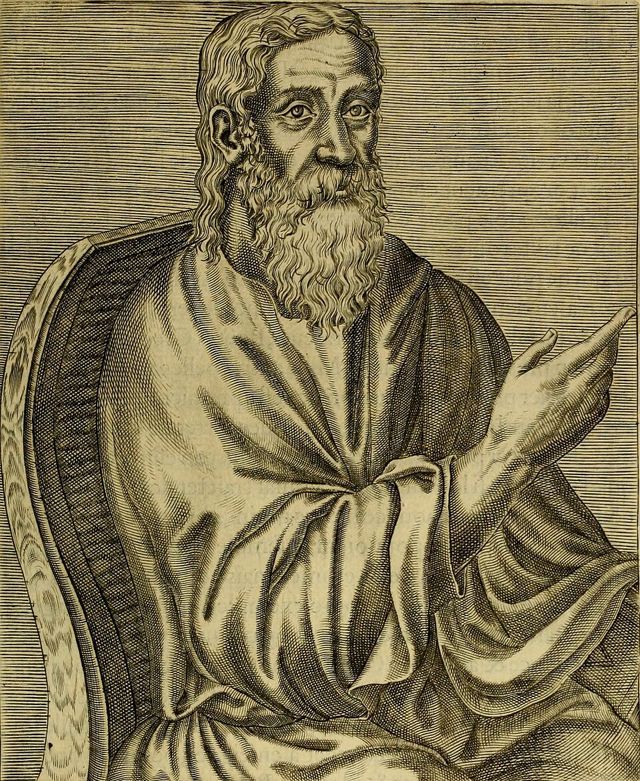
St. Clement of Alexandria
He headed Alexandria's official catechetical school and was known as a Christian writer.
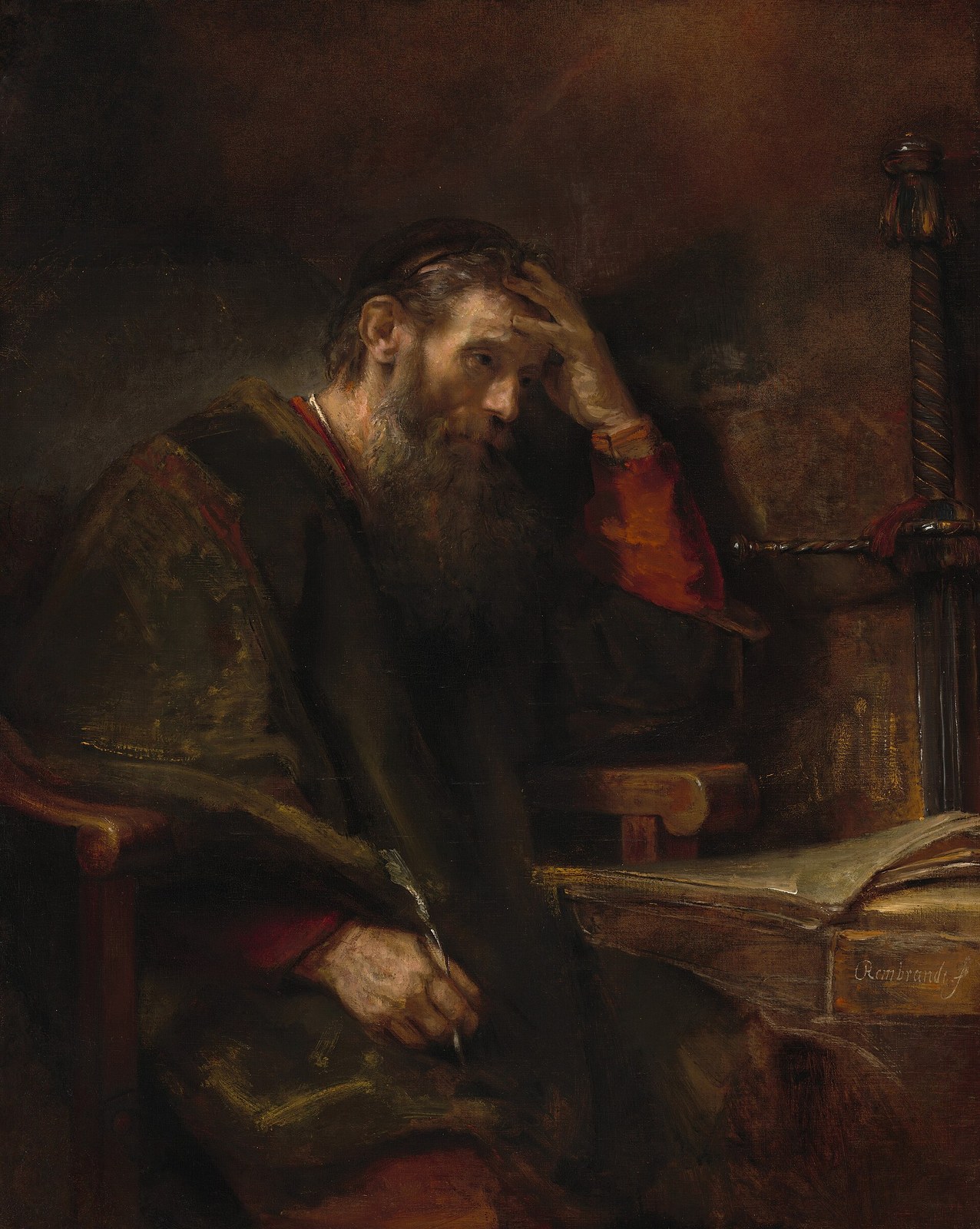
St. Paul the Apostle
In Cyprus he and Barnabas were called upon to explain their doctrine to the Roman proconsul Sergius Paulus.
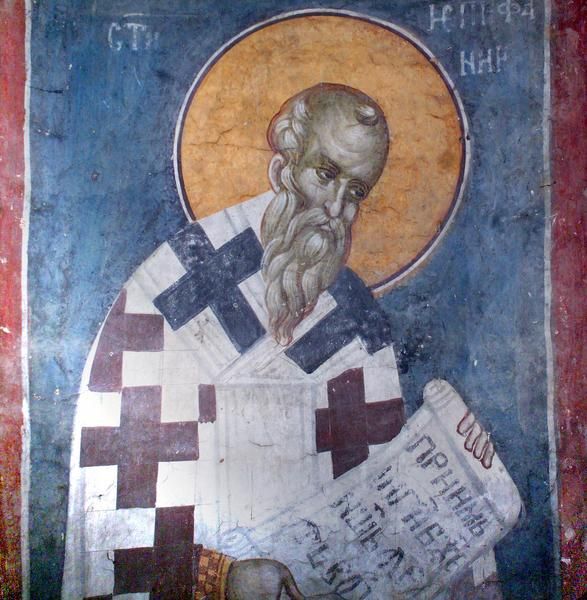
St. Epiphanius of Salamis
He wrote works defending the Trinity and resurrection and responding to numerous heresies.
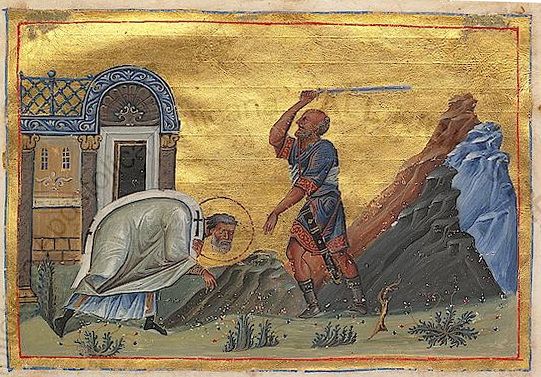
St. Quadratus of Athens
He wrote a defense of the Christian faith and presented it to the emperor.

St. Theophilus of Antioch. I
He wrote against two heresies and produced three surviving books defending Christianity.
St. Pacian of Barcelona
He argued that the Church has authority to forgive serious sins committed after baptism.
Bl. Raymund Lulli
He wrote treatises intended to help Muslims understand the Trinity.