This Saint’s Story
His family was Christian, and he received a solid education that included grammar and rhetoric. He was deeply influenced by the diverse intellectual environment of Alexandria, which was a significant center for trade and ideas during his youth. This background prepared him for a life dedicated to theological pursuits.
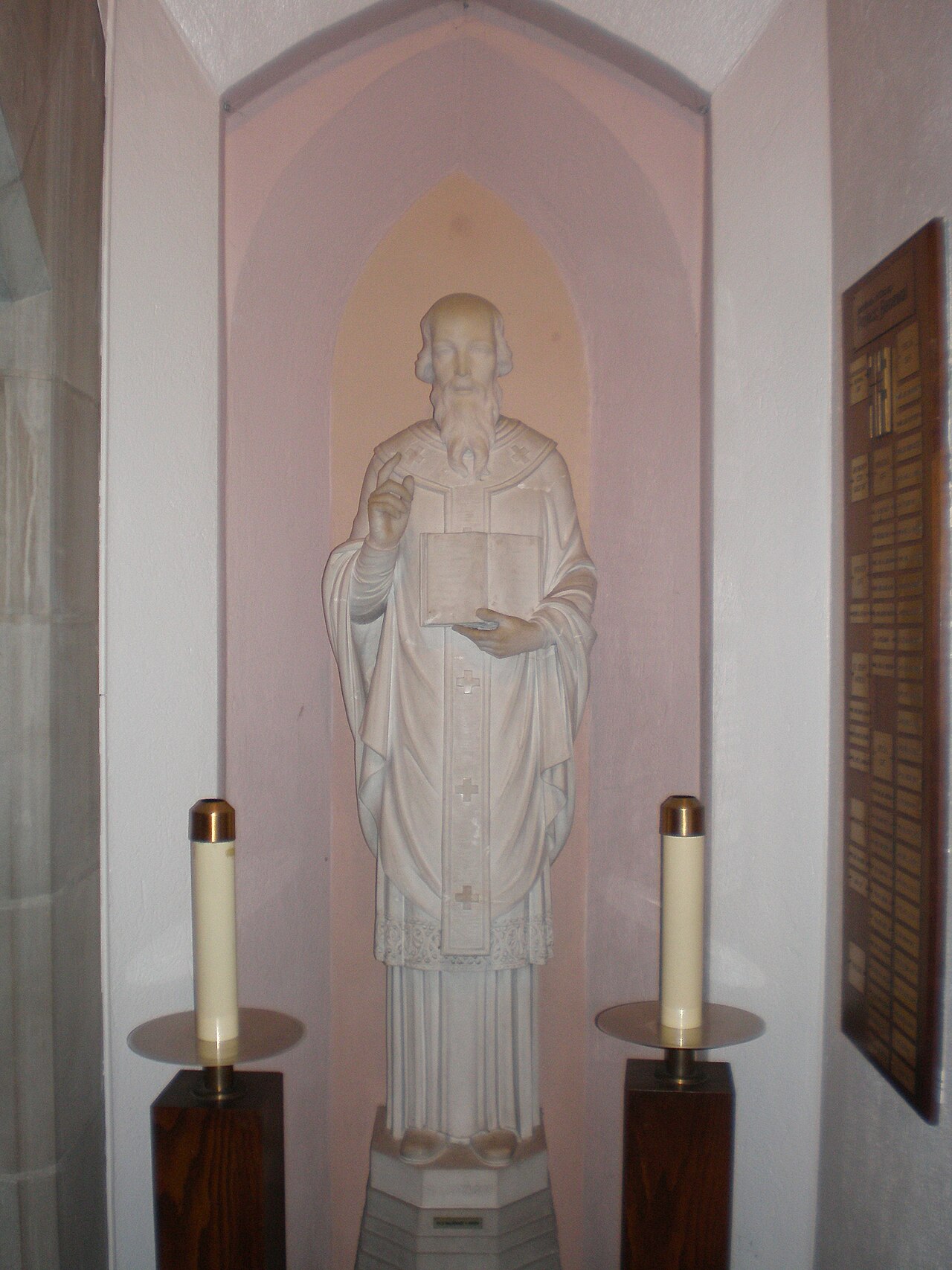
His calling began early; as a boy, he reportedly acted as a bishop during a game of baptism, which caught the attention of Bishop Alexander of Alexandria. Recognizing Athanasius's potential, Alexander invited him to join his clerical circle. By 319, Athanasius was ordained as a deacon and became a prominent figure in the Church, serving as Alexander's secretary during the First Council of Nicaea (the first worldwide council of bishops, 325, which defined that the Son is fully God) in 325.
In 328, Athanasius succeeded Alexander as Patriarch of Alexandria. His leadership coincided with the rise of Arianism (followers of Arius's teaching that the Son is a created being, not fully God), a theological doctrine that questioned the divinity of Christ. Athanasius became a fierce opponent of Arianism, defending the orthodox view of the Incarnation and the concept of the Trinity. His writings, including 'On the Incarnation,' established him as a key theological voice against heresy.
Throughout his life, Athanasius faced significant trials, including five exiles due to political and ecclesiastical opposition from Arian supporters and various Roman emperors. Despite these challenges, he remained steadfast in his beliefs and continued to write and preach. His steadfastness earned him the title 'Father of Orthodoxy.'
Athanasius died on May 2, 373. His contributions to Christian theology were recognized posthumously, and he was venerated as a saint across various Christian denominations. His teachings and writings continue to influence Christian thought today.