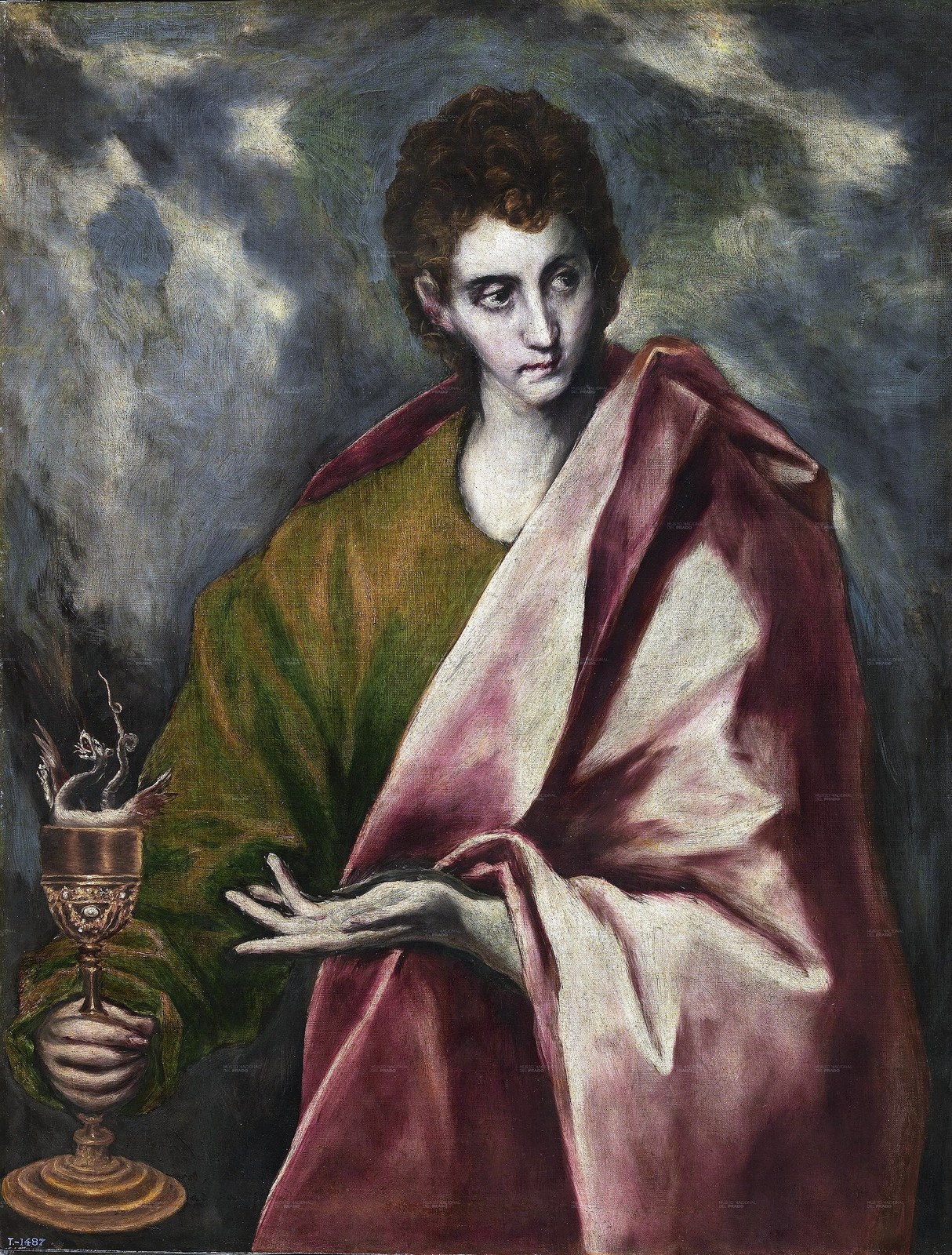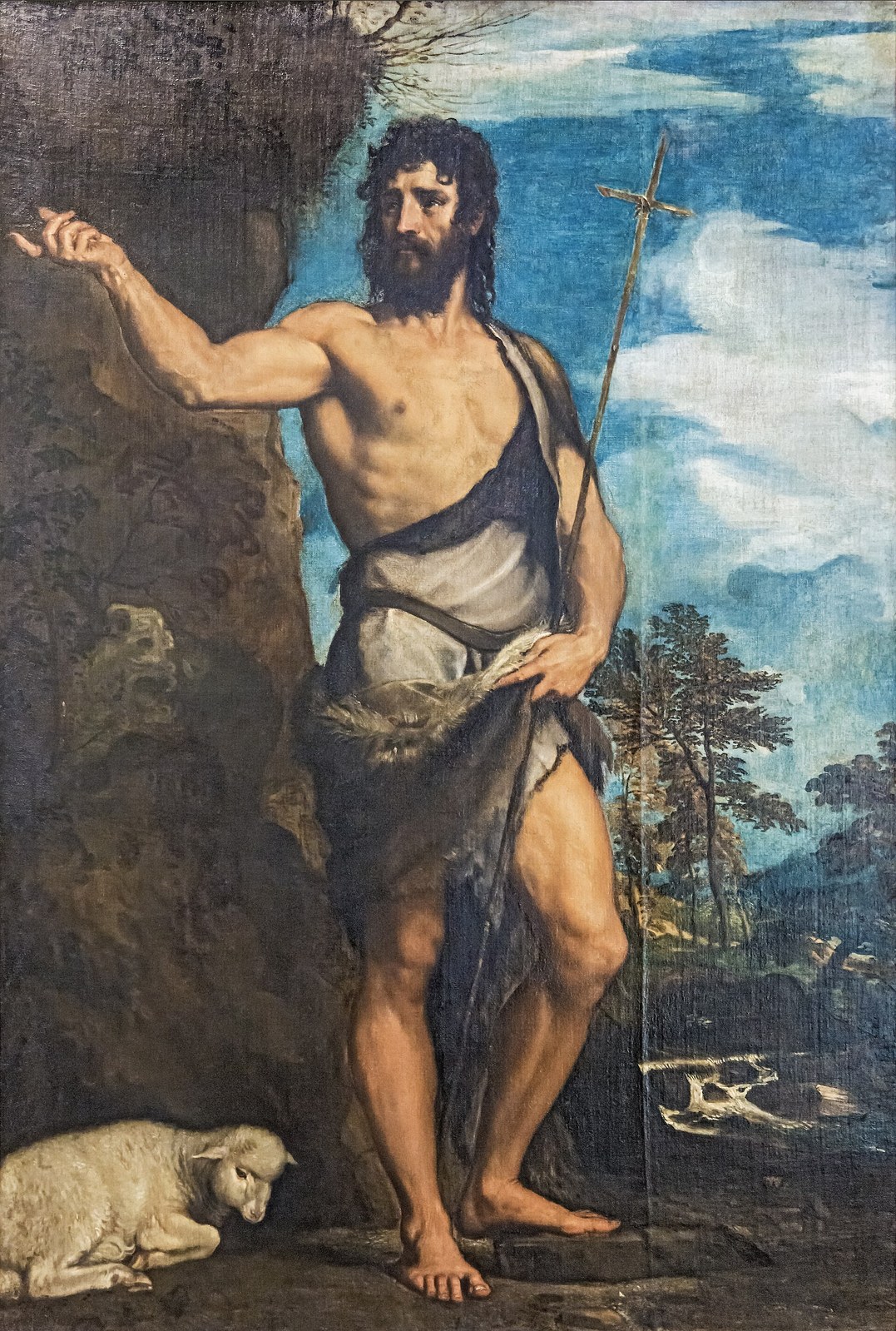
St. John the Baptist

The forerunner, who made room

Pray the novena →

St. John the Baptist

John is the one who points away from himself. He baptizes, he tells the truth to a king, and when his own disciples grumble that everyone is going to Jesus, he answers, “He must increase, but I must decrease.”

Feast day

June 24
his nativity; the beheading is August 29

Patron of

Baptism
Conversion

This Saint’s Story

In our own words, from the sources listed below.

John's father, Zechariah, was a priest. Luke says that while he was offering incense, the angel Gabriel promised him a son, though he and his wife Elizabeth were old, and that because Zechariah doubted, he was struck dumb. When Mary came to visit, the child leapt in Elizabeth's womb. At the circumcision the relatives wanted to name the baby after his father; Elizabeth said "John," and Zechariah wrote, "John is his name." His voice returned, and he praised God. Luke places the birth six months before the birth of Jesus, which is why the nativity is kept on June 24, six months before Christmas. An older English account of that feast is still on this site.

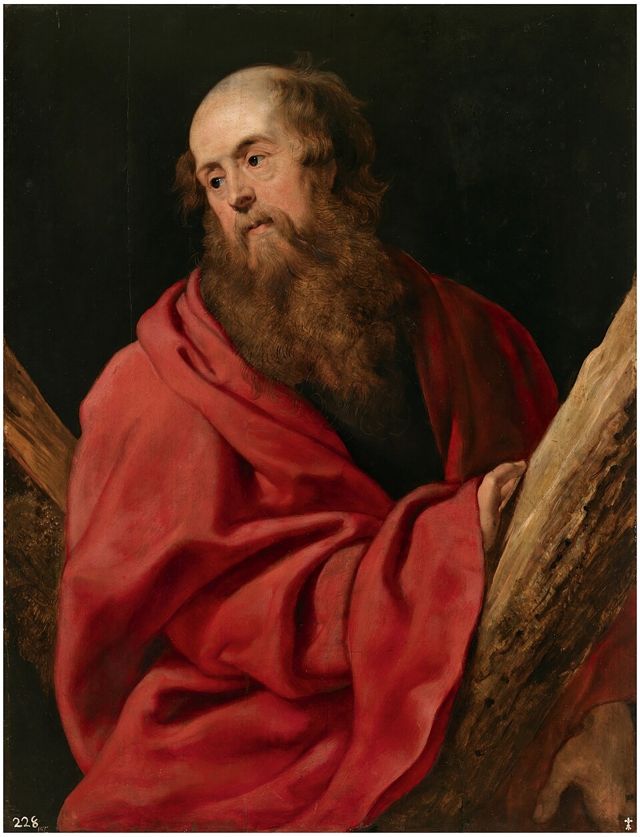
He grew up in the desert, wearing camel's hair and eating locusts and wild honey. When he came out to preach, crowds came to hear a blunt message: repent, for the kingdom of heaven is at hand. The Gospels say he worked no miracles. He told people to share their coats and their food, tax collectors to take no more than was due, and soldiers to bully no one. He baptized as a sign of a changed life, and said that one mightier was coming, whose sandals he was not worthy to carry. When Jesus came to the Jordan, John protested, then baptized Him. Afterward he pointed Him out — "Behold the Lamb of God, behold him who taketh away the sin of the world" — and let his own disciples, Andrew among them, follow. When they grumbled that everyone was going to Jesus, John answered, "He must increase, but I must decrease."

He rebuked Herod Antipas for taking his brother's wife, Herodias, and Herod imprisoned him in the fortress of Machaerus. From prison he sent disciples to ask Jesus whether He was the one to come. Jesus answered by pointing to what was happening, and then praised John: among those born of women, none was greater. At Herod's birthday feast, Herodias's daughter danced, and Herod promised her whatever she asked. Prompted by her mother, she asked for John's head. Mark says, "But sending an executioner, he commanded that his head should be brought in a dish." Herod, Mark says, was sorry, but would not break the oath in front of his guests. John's disciples buried his body and went to tell Jesus. The beheading is kept on August 29.

For today: John told a king that a marriage was unlawful, and he stayed in prison for it. You can say the true thing in the room you are actually in, even when the person in charge will not like it. You can also, when someone greater than your own work arrives, make room: he must increase, and I must decrease.
The short version

John, the son of Zechariah and Elizabeth, preached repentance at the Jordan, baptized Jesus, and was imprisoned and beheaded by Herod Antipas, as Mark tells it, at the request of Herodias. The nativity is kept on June 24, six months before Christmas; the beheading on August 29. An older English account of the nativity feast remains at its library page on this site.

Struggles & surrender

This saint’s struggles

  • Prison, and a question ·
    He told Herod the marriage was unlawful, and Herod imprisoned him. From the prison he sent disciples to ask Jesus whether He was the one to come. Mark then tells of the banquet and the beheading. He had already said, of Jesus, 'He must increase, but I must decrease.'

Did you know?

Luke places his birth six months before the birth of Jesus, which is why the feast is June 24.

The Gospels say he worked no miracles.

All four Gospels tell of his baptism of Jesus.

Patron saint of

  • Baptism and conversion
    He is the forerunner, the one who baptizes and who points away from himself. The patronage follows the Gospels.

The novena

Nine days · one intention

A novena is nine days of prayer for one intention, modeled on the nine days the apostles and Mary prayed between the Ascension and Pentecost (Acts 1–2). Pray this each day:

Nine days · Free

Pray the novena
with us.

One short email a day for nine days. The day's prayer, a line from St. John the Baptist's story, and a nudge to keep going.

Your Confirmation saint?

Choose St. John the Baptist if…

  • you need to tell the truth in a room where the person in charge will not like it
  • you have a work that is real, and you are being asked to make room for someone else
  • you want a saint who lived in the desert and spoke plainly

Take the saint finder →  Need a sponsor?

“He must increase, but I must decrease.”

Douay-Rheims, John 3:30
Related saints
Sources & notes

Story sources

Sources

Credits

Image: Titian, Wikimedia Commons (Public domain)

We only print prayer texts we can trace to a public-domain printed source, and we have not verified one for St. John the Baptist yet. Until we do: for nine days, pray an Our Father, a Hail Mary and a Glory Be, then add your intention and “St. John the Baptist, pray for us.”

Help us add to this saint's story

Everything is read by a person before anything appears. Facts are checked against trusted sources first.

Facts are welcome; a source link helps (optional).With your permission we may share it on this page.