This Saint’s Story
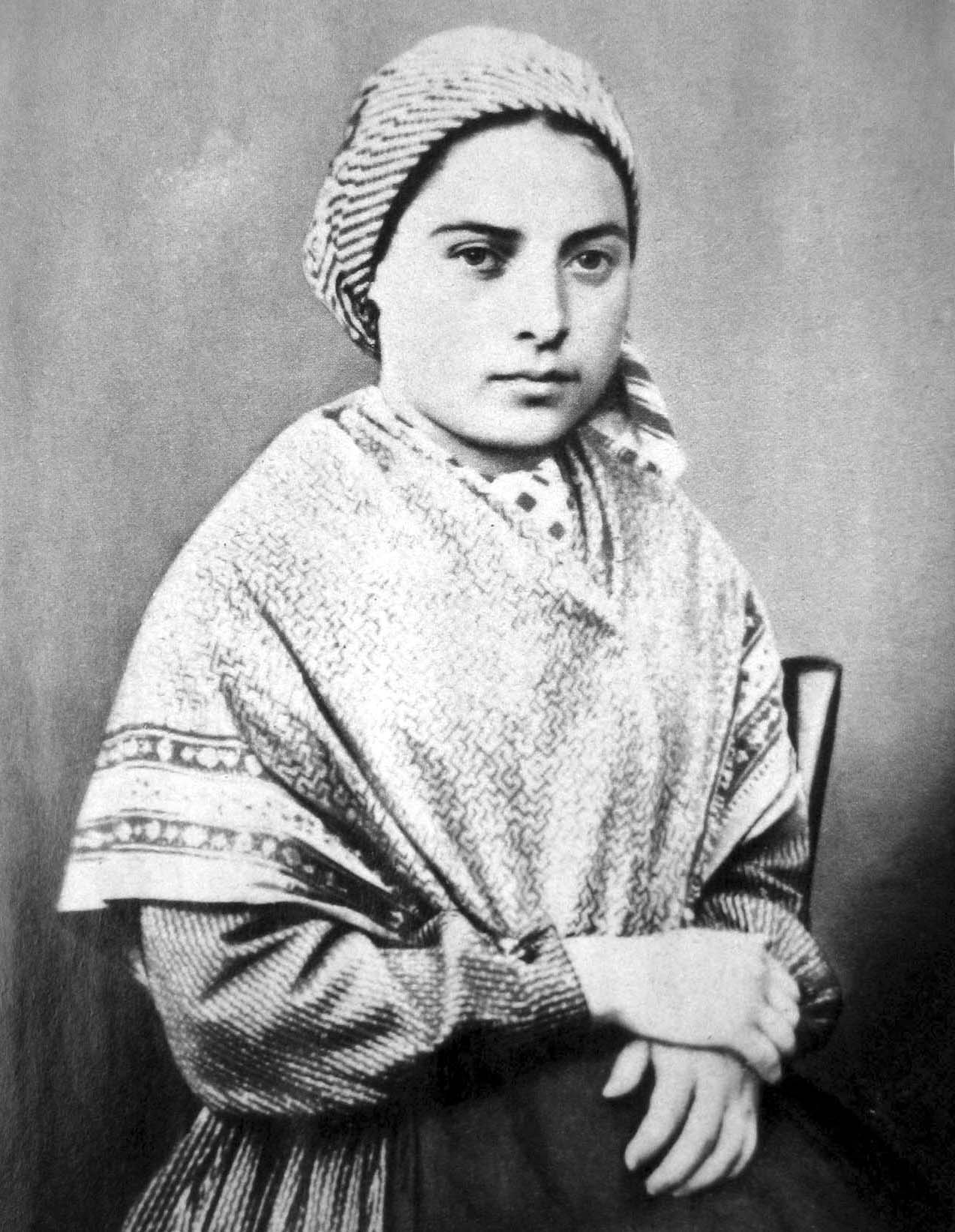
Bernadette Soubirous was born on January 7, 1844, in Lourdes, France, into a family struggling with poverty. She was the first of nine siblings and faced numerous health challenges during her childhood, including severe asthma. Due to their dire financial situation, her family lived in a cramped basement, often referred to as 'the dungeon.' Despite her struggles, Bernadette attended a local school where she learned very little French, primarily speaking Occitan, the regional language.
On February 11, 1858, while gathering firewood near a grotto, Bernadette said she saw a 'young lady.' Over the next few months, she reported a total of 18 apparitions, during which the lady conveyed messages of prayer and penance. Initially, many were skeptical of her claims, and her family worried about her safety. However, Bernadette remained resolute, and her experiences began to attract large crowds to the grotto.
As news of her visions spread, Church and civic authorities conducted thorough investigations to determine their validity. On February 18, 1862, the Church declared her experiences 'worthy of belief.' Bernadette was instructed to dig at the grotto, leading to the emergence of a spring known for its healing properties. This site eventually became a renowned pilgrimage destination, drawing millions of visitors seeking spiritual and physical healing.
In 1866, desiring a life dedicated to service and humility, Bernadette entered a convent in Nevers, where she faced ongoing health issues, including tuberculosis. Despite her challenges, she served in various capacities within the convent, including caring for the sick. Her health continued to decline, and she ultimately passed away on April 16, 1879, at the age of 35.
Pope Pius XI beatified (declared 'Blessed', the step before sainthood) Bernadette on June 14, 1925, and canonized (officially declared a saint by the pope) her on December 8, 1933. Her feast day is April 16, the anniversary of her death.