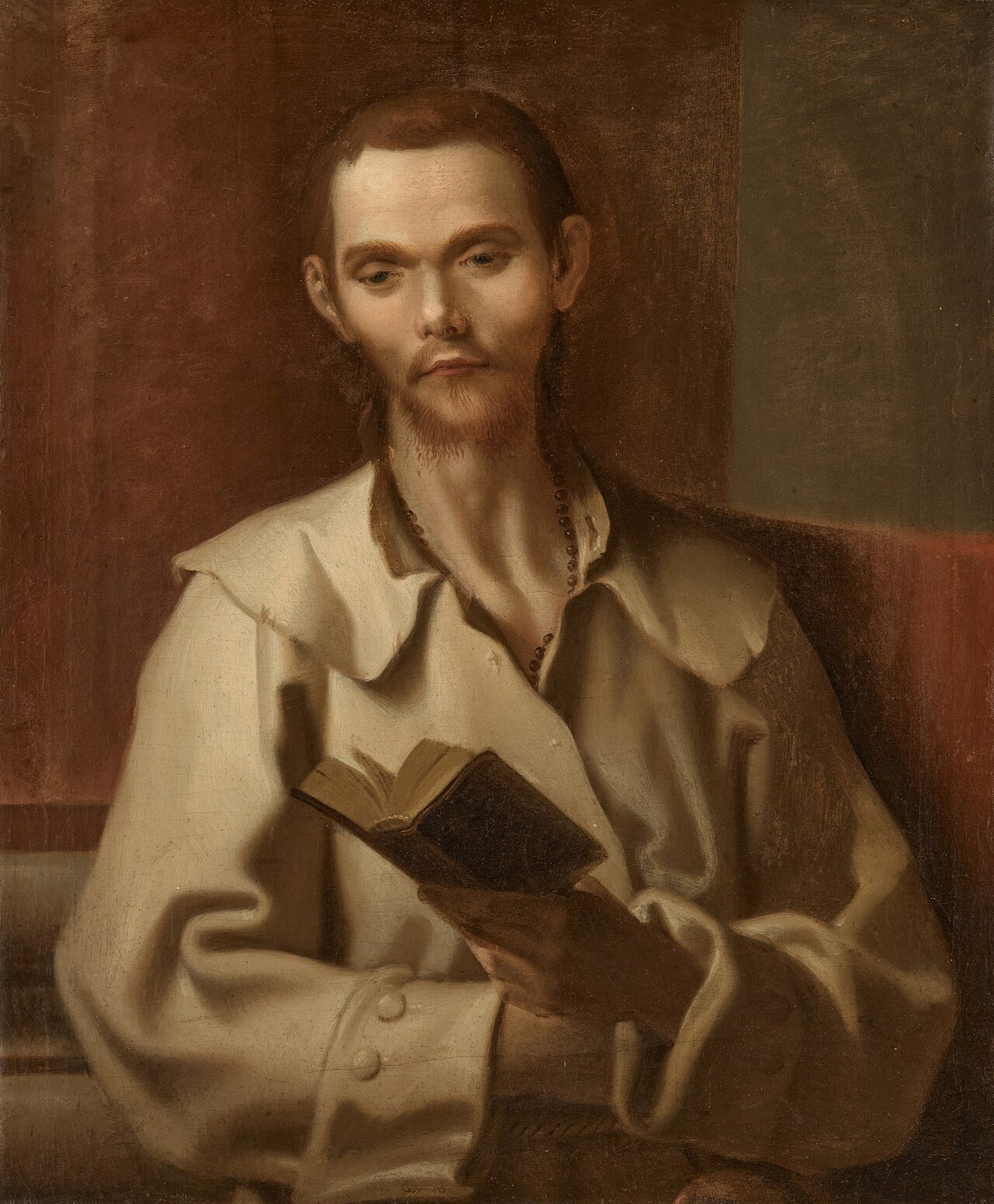
St. Benedict Joseph Labre

Benedict Joseph Labre is remembered as the patron saint of the homeless, known for his life of poverty and pilgrimage across Europe. Benedict Joseph Labre was born on March 26, 1748, in Amettes, near Arras, France, into a prosperous family with fifteen children.

Read the story →
April 16 · Religious, Founder

St. Benedict Joseph Labre

Feast

April 16
Dicastery for the Causes of Saints

Status

Saint
Canonized 8 December 1881 by Pope Leo XIII

Represents

Religious
Founder

Feast days

Feast: April 16

This Saint’s Story

Written for this site from Wikipedia and Catholic Encyclopedia (1913), New Advent

His early education was overseen by his uncle, a parish priest, who nurtured his spiritual aspirations. By the age of sixteen, Labre expressed a desire to join the Trappist Order, but his parents advised him to wait until he was older. After a devastating epidemic that claimed his uncle's life, Labre returned home, still yearning for a religious vocation.

At eighteen, Labre attempted to join various monastic communities, including the Trappists, Carthusians, and Cistercians (a strict reform of Benedictine (monks following the Rule of St. Benedict) monks begun at Cîteaux in 1098), but was rejected due to his youth and health issues. After a brief stay at a Cistercian abbey, he realized that his true calling was not in a cloister but as a pilgrim. Inspired by saints like Alexius of Rome, he decided to abandon worldly comforts and dedicate his life to visiting Christian shrines across Europe.

Labre became a member of the Third Order of Saint Francis and embarked on his pilgrimage, traveling on foot to significant religious sites such as Loreto, Assisi, and Santiago de Compostela. He lived in extreme poverty, relying on alms and often sharing what little he received with others. Known for his deep commitment to prayer, he spent considerable time in reflection and worship, becoming a familiar figure in Rome, where he eventually settled.

In his later years, Labre faced significant hardships, including malnutrition and exhaustion. He lived in the remains of the Colosseum and continued his yearly pilgrimage to Loreto. On April 16, 1783, during Holy Week, he collapsed on the steps of Santa Maria ai Monti church and died shortly after. His life of humility and devotion left a profound impact, leading to numerous miracles attributed to him soon after his death.

Labre's confessor, Marconi, documented 136 miracles linked to his intercession within months of his passing. This prompted a growing devotion to him, leading to his beatification by Pope Pius IX in 1860 and canonization by Pope Leo XIII in 1881. His feast day is celebrated on April 16, the anniversary of his death.
What he represents

How he teaches us to live

Drawn from their life story

Embrace a life of simplicity. Benedict Joseph Labre's choice to live as a beggar and pilgrim exemplifies the beauty of simplicity and reliance on God's providence.

Share generously with others. Despite his own poverty, Labre often shared what little he had, reminding us of the importance of generosity.

Seek God in every circumstance. Labre's unwavering commitment to prayer and pilgrimage shows that a deep relationship with God can be pursued in any situation.

More about St. Benedict Joseph Labre

Checked against at least two sources, in our own words

Help us add to this saint's story

Everything is read by a person before anything appears. Facts are checked against trusted sources first.

Facts are welcome; a source link helps (optional).With your permission we may share it on this page.

Nine days · Free

Pray the novena
with us.

One short email a day for nine days. The day's prayer, a line from St. Benedict Joseph Labre's story, and a nudge to keep going.

Also on April 16
M

Sts. Martyrs of Saragossa

April 16 · Feast
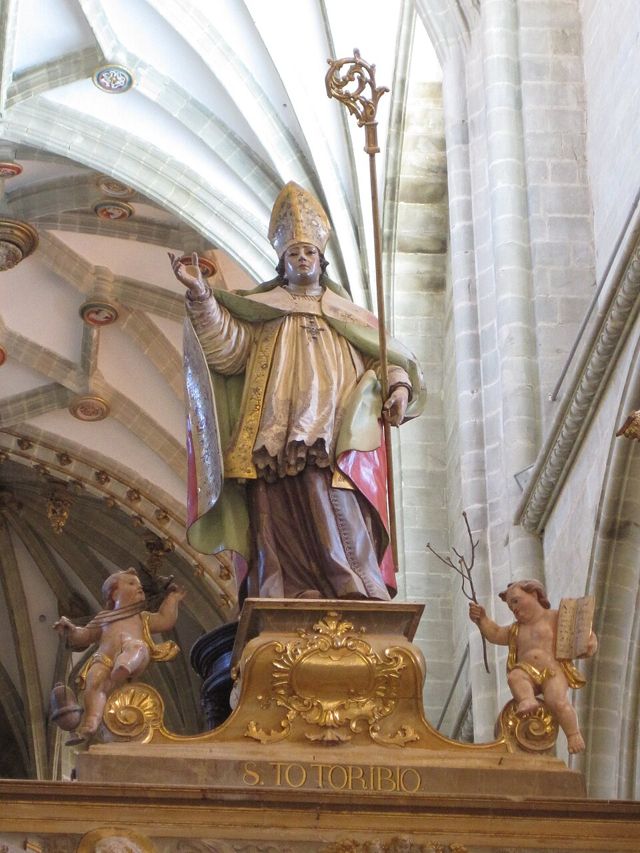
St. Turibius of Astorga

St. Turibius of Astorga

April 16 · Bishop
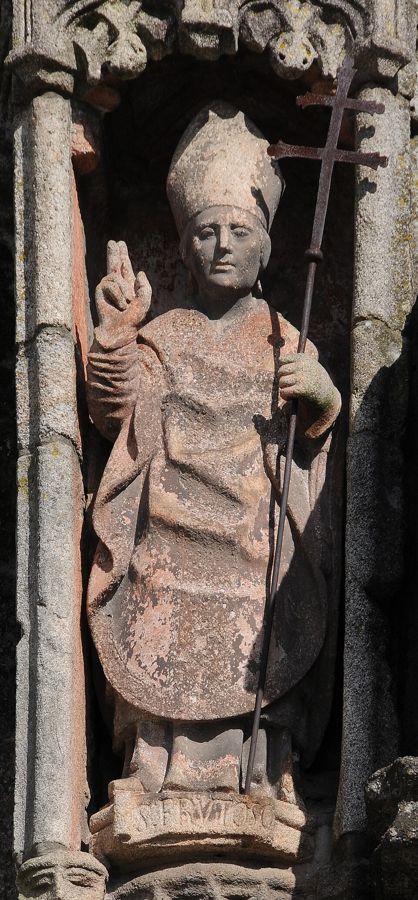
St. Fructuosus of Braga

St. Fructuosus of Braga

April 16 · Bishop
← All 1970 saints in the library
Sources & notes

Feast-day sources

Story sources

Sources

Credits

Image: Portrait of Saint Benedict Joseph Labre (1748–1783) (by Antonio Cavallucci).jpg · Antonio Cavallucci · Public domain, via Wikimedia Commons