This Saint’s Story
He served during a time of intense persecution against Christians, particularly under the rule of Emperor Licinius (emperor in the East 308–324, who turned against Christians before Constantine defeated him). Historical records indicate that he was a participant in the Councils of Ancyra and Neo-Caesarea around A.D. 314, where he was recognized for his steadfastness in faith.
During the reign of Licinius, Christians faced severe cruelty, especially in Amasea, where Basil was bishop. Accounts suggest that the governor of the region inflicted harsh punishments on bishops and other Christians. Basil's commitment to his faith and his role as a leader in the community made him a target during these turbulent times.
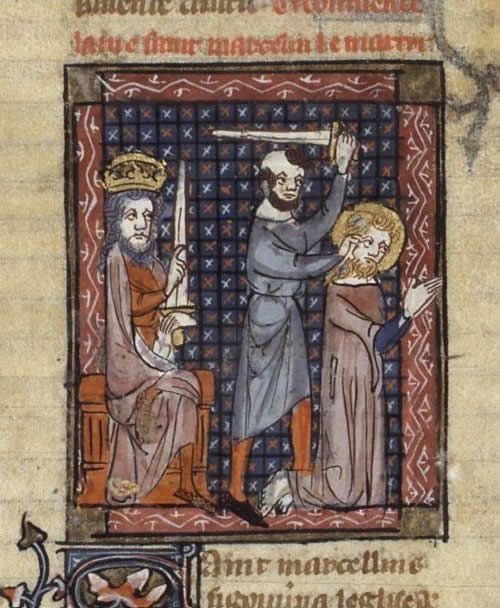
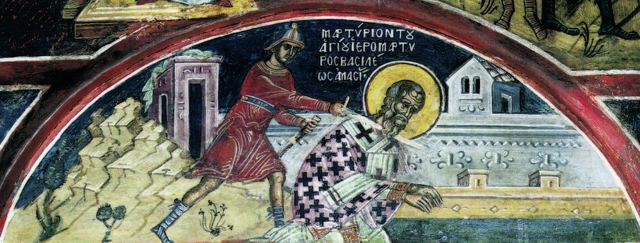
Tradition holds that Basil became a martyr after he sheltered a young Christian woman named Glaphyra, who had escaped from the emperor's advances. When the emperor's chamberlain discovered her location, he ordered Basil to be arrested. Before he could reach Amasea, Glaphyra tragically passed away, but Basil was taken to Nicomedia, where he endured brutal torture and was ultimately executed for his actions.
Basil's martyrdom is commemorated on April 26. The details of his life and death are somewhat legendary.