This Saint’s Story
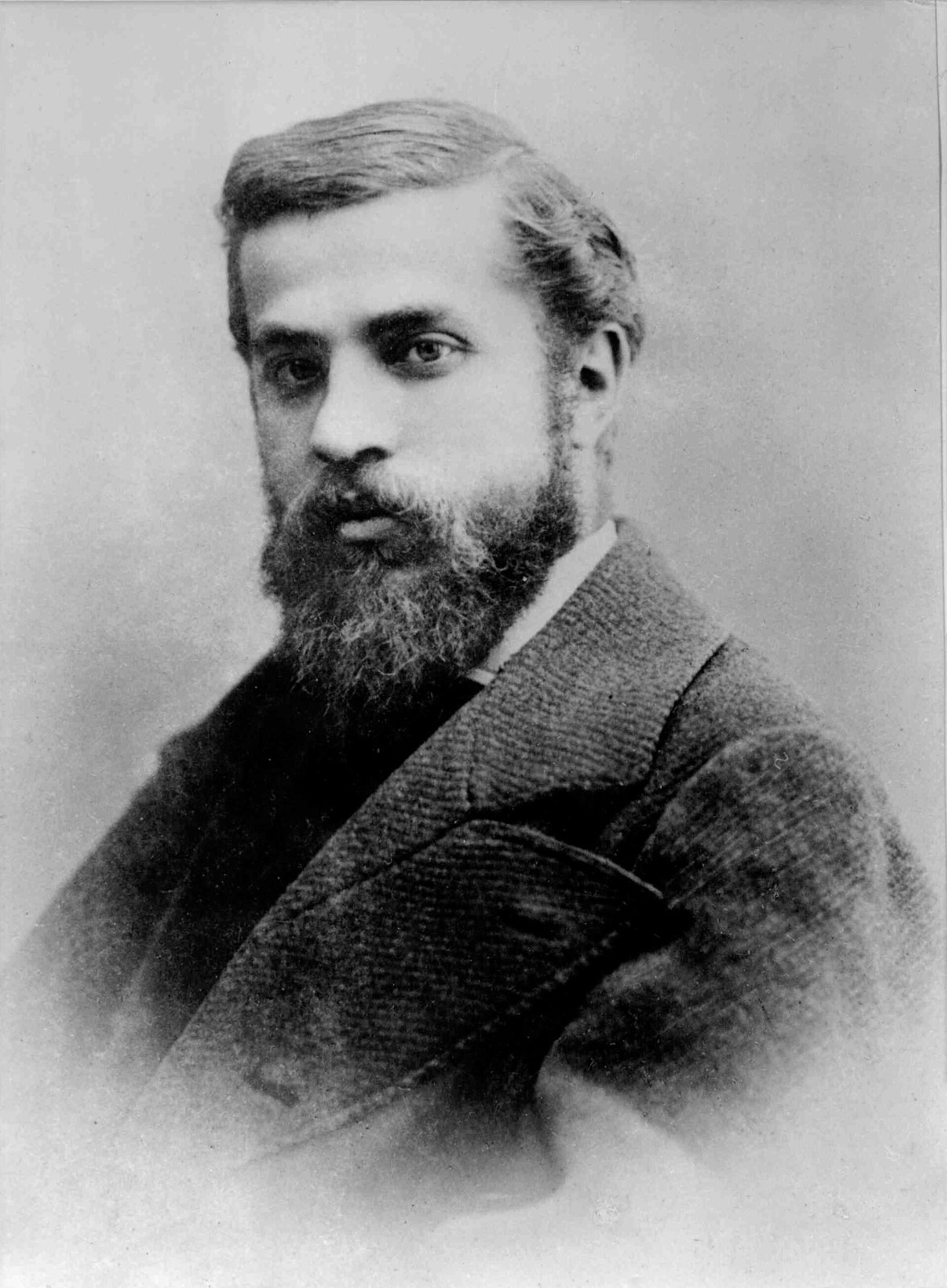
Antoni Gaudí was a Catalan architect, born on June 25, 1852, in or near Reus, and formed in Barcelona. His buildings are mostly in that city: houses, a park, a palace, and, above all, the basilica of the Sagrada Família. He used stone, iron, ceramic, and coloured broken tile — the method called trencadís — and he let the forms of plants, bones and light into the structure. He belonged at first to the Modernista generation and then went his own way. Friends and clients knew him as a man of increasing austerity, who went to Mass and fasted, and who, in his last years, gave himself almost entirely to one church.
The Sagrada Família was unfinished when he died, and it is unfinished still. On June 7, 1926, on his way to church, he was struck by a tram. Because he was dressed poorly and carried no papers, he was not at once recognised, and he was taken to a hospital for the poor. He died there on June 10. He is buried in the crypt of the church he had been building. People who love that church sometimes treat the building as his sermon. The building is public. It is there to be looked at.
A cause for sainthood was opened for him. In 2025 Pope Francis declared him Venerable, which is a judgment that he lived a life of heroic virtue. It is not beatification, and it is not canonization. He has no general-calendar feast. June 10, the day of his death, is the date used for remembrance.
For today: You can look at one detail of a building, a window or a carving, and ask what the maker believed. Gaudí put that belief into stone, slowly, and he did not live to see it finished. You can also keep the title straight: Venerable is not yet saint. If you are in the middle of a work you may not finish, you can do the next honest piece of it anyway.