This Saint’s Story
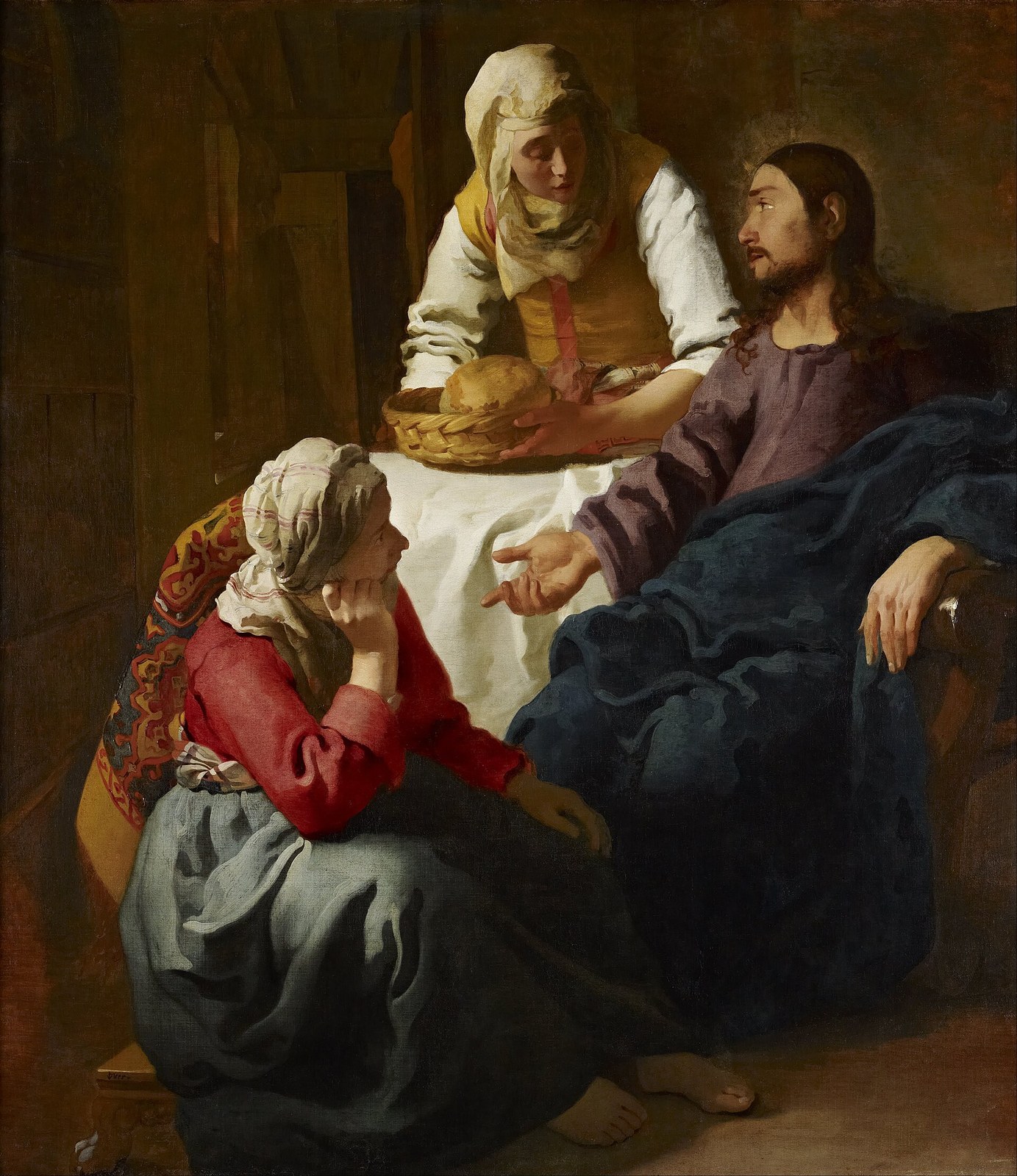
Mary of Bethany was the sister of Martha and of Lazarus. Luke says that Jesus entered a village and Martha received Him into her house, and that Mary sat at the Lord's feet and heard His word. Martha, busy with the serving, asked Him to tell Mary to help. His answer, in the Douay-Rheims, is: "But one thing is necessary. Mary hath chosen the best part, which shall not be taken away from her." The scene is not a slight on Martha. It is a word about sitting still long enough to listen, in a house that also needs work.
John's Gospel puts the same Mary at the death of Lazarus, and then, six days before the Passover, at a supper in Bethany. John says she took a pound of costly ointment, anointed the feet of Jesus, and wiped them with her hair. Judas objected to the cost. Jesus said she should be left alone, and that she had kept the ointment for the day of His burial. The gesture is extravagant, and it is accepted.
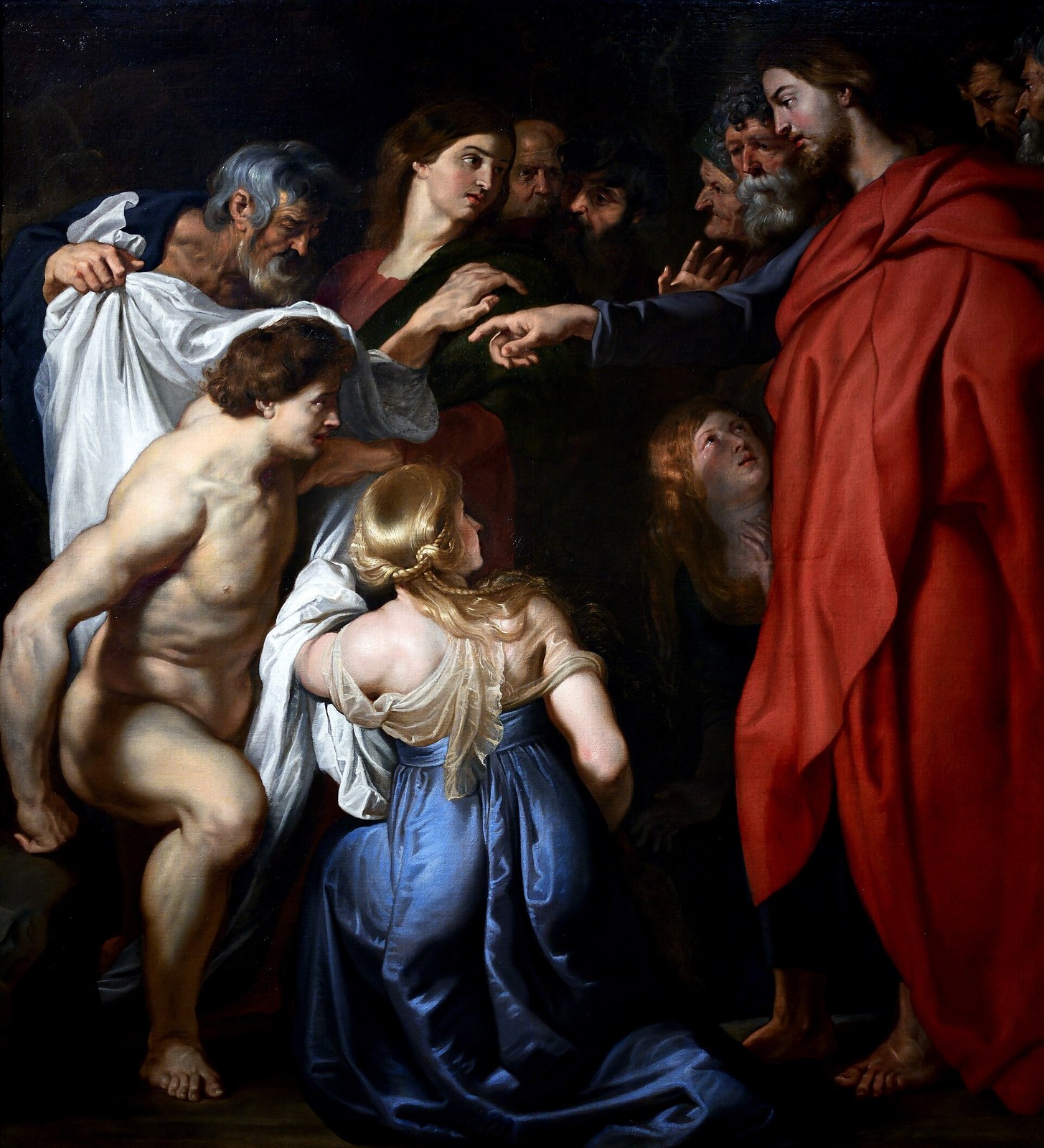
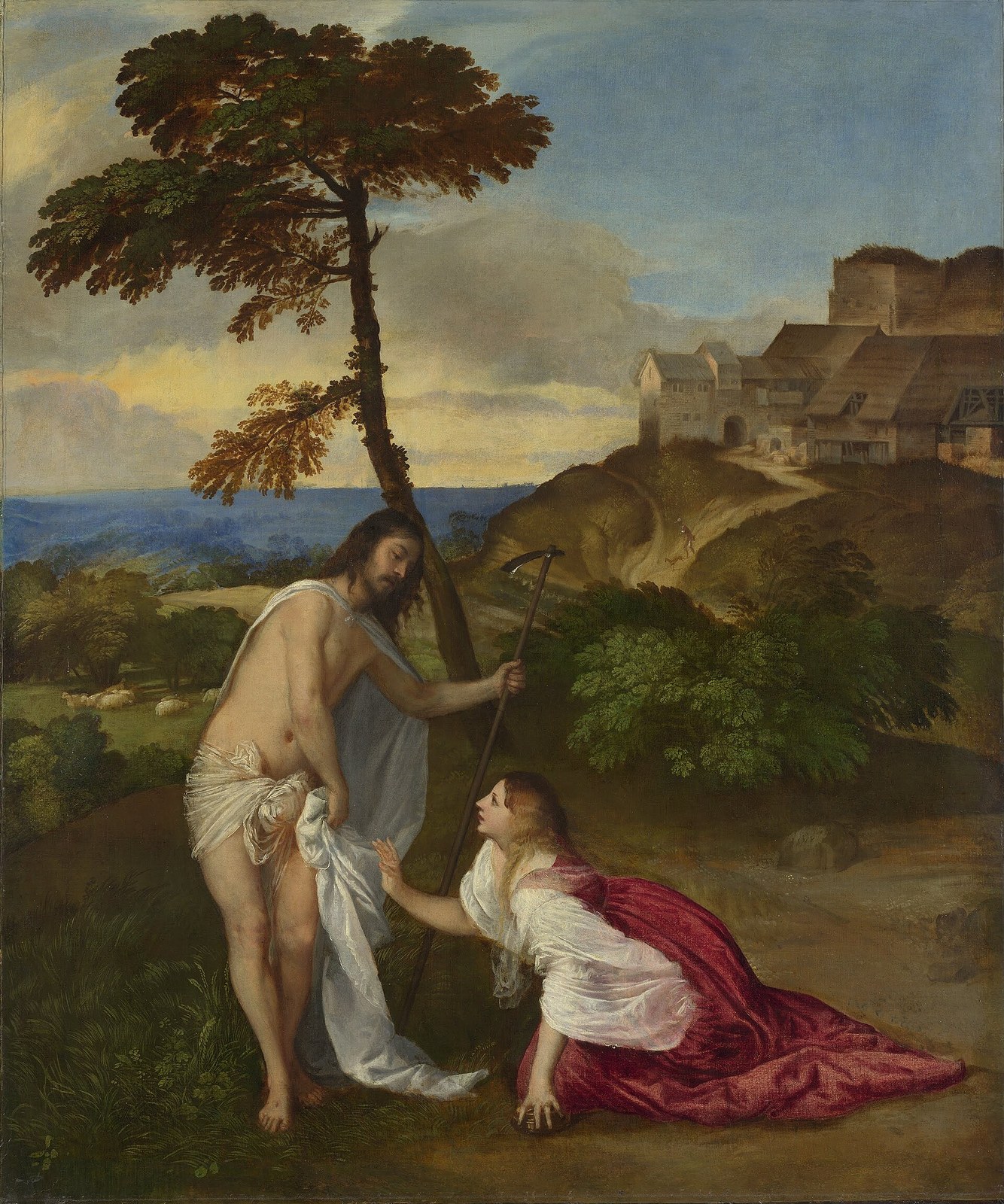
For centuries the Latin church, following a homily of Gregory the Great in 591, treated Mary of Bethany, Mary Magdalene, and the unnamed woman of Luke 7 as one person. The Eastern churches did not. The Roman calendar now keeps Mary Magdalene on July 22, and keeps Mary of Bethany, with Martha and Lazarus, on July 29. This page follows that distinction. She is a different woman from Magdalene, and she has her own feast, in her own house, with her brother and sister.
For today: You can sit and listen when there is also work to do, and you can get up and serve when that is the need. Luke shows both sisters. You do not have to scorn the one who chooses the other task. You can also, like Mary at the supper, spend something costly on a love that will not last in the form you now have it.