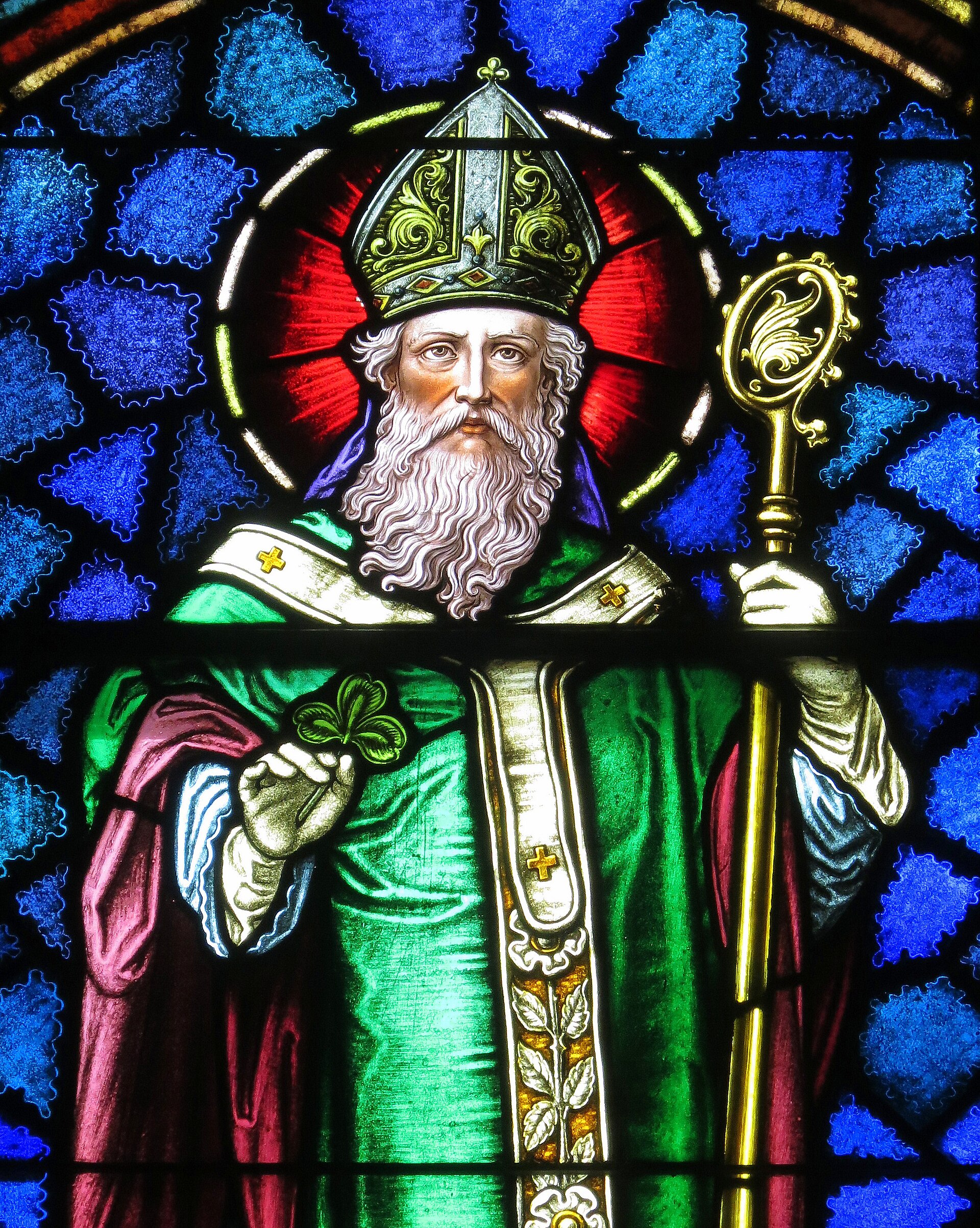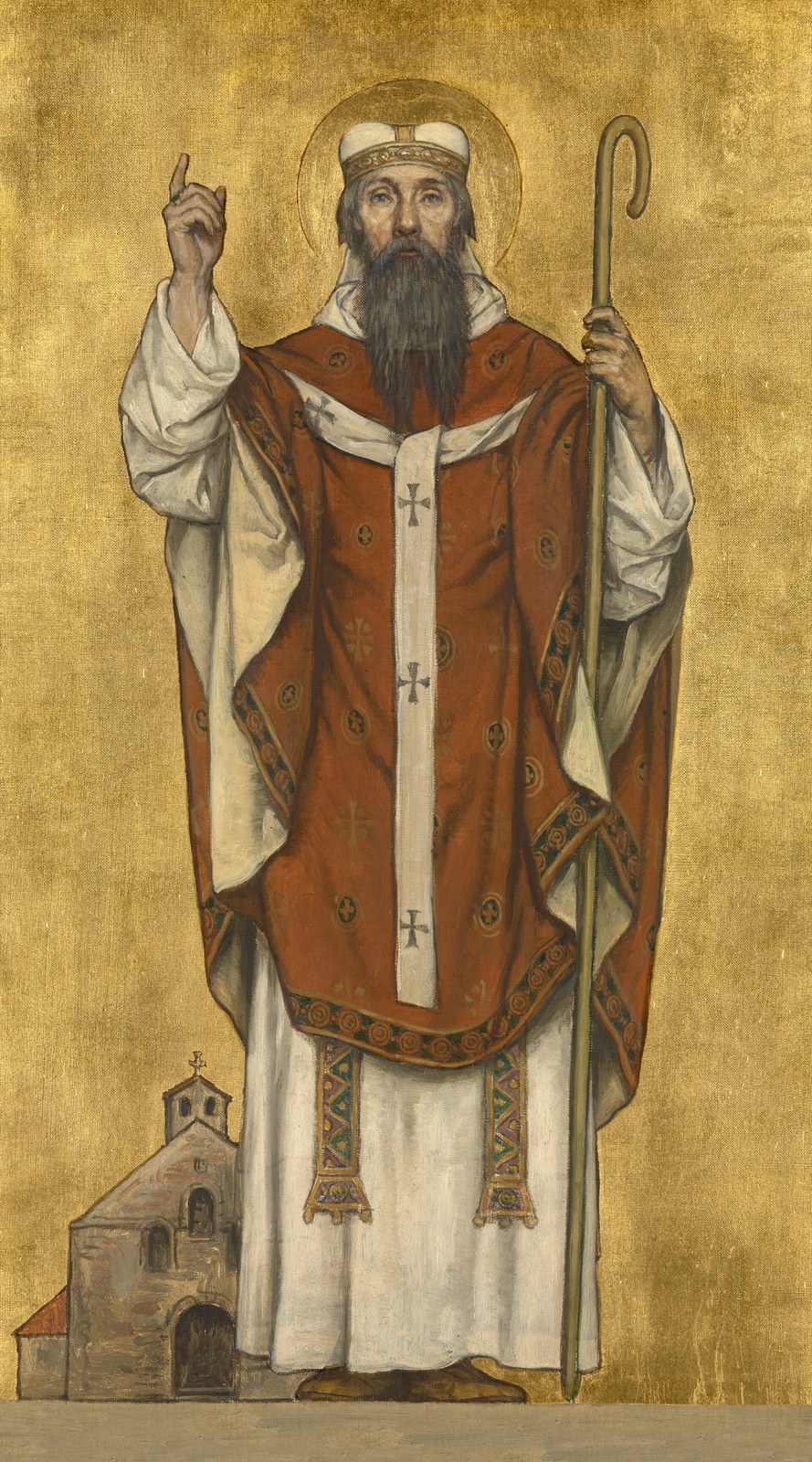
This Saint’s Story
Boniface was born Wynfrith, or Wynfreth, in the kingdom of Wessex, around the year 675, and became a monk, following the Rule of St. Benedict. The familiar story that he was born at Crediton is traditional. His own letters, and a life written soon after his death by Willibald, are the main sources, and they are unusually good ones for the eighth century. In 719 Pope Gregory II gave him a commission to preach in the German lands. He worked under papal authority, organised dioceses, and founded or reformed monasteries, Fulda among them, with his disciple Sturm. Pope Gregory III named him archbishop of Mainz. He is the leading figure in the Anglo-Saxon mission to Germany, and he is not the May 14 Boniface on this site, who is a different man.
Willibald tells that at Geismar, in Hesse, Boniface cut down a great oak honoured by the local people. That scene is in Willibald's life of him. Read it as Willibald's account. In 754, already old, Boniface went again to Frisia. Willibald says that on June 5, at Dokkum, he was attacked and killed, with a company of companions. Later lists often give the number of companions as fifty-two; the exact figure is a later precision. His body was carried to Fulda, where pilgrims still visit the tomb. The feast is June 5, the day he died.
His letters show a practical, sometimes severe man, writing to popes and bishops and to friends in England about discipline, about pagan custom, and about the work in front of him. He asked for books. He worried about the churches he was leaving. The missionary legend has sometimes swallowed the letter-writer. The letters are still there.
For today: Boniface left letters, not only a scene under an oak. You can write the hard thing you need to say to a church or a friend, and you can keep a copy. If you are sent somewhere late in life, you can go. His feast is the day he died, June 5.