This Saint’s Story
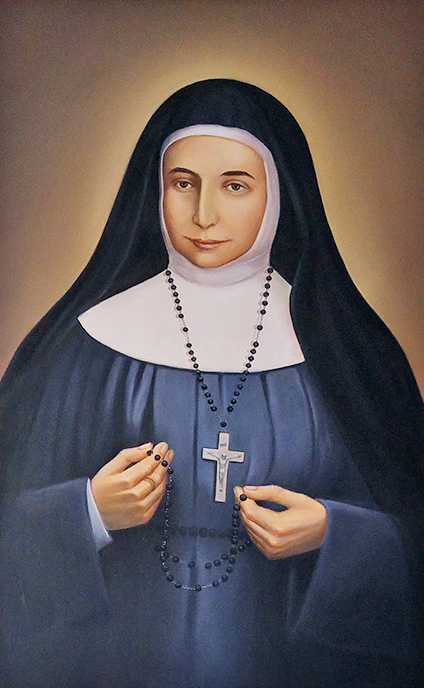
Marie-Alphonsine Danil Ghattas was born on October 4, 1843, in Jerusalem to a devout Palestinian Catholic family. She received her early education at a school established by the Sisters of St. Joseph. At the age of nine, she was confirmed, and by the time she was fourteen, she joined the Congregation of St. Joseph, taking the name Marie-Alphonsine shortly before her seventeenth birthday. After making her vows in 1862, she began teaching catechism in Bethlehem, where she also encouraged devotion to Mary through the Rosary.
While in Bethlehem, Marie-Alphonsine reported several visions in which, she said, the Virgin Mary asked her to create a Palestinian congregation called the 'Sisters of the Rosary.' In 1880, she received the necessary permissions to leave her original community and began the new foundation with seven young girls. The congregation was officially established on October 7, 1883, when she received the religious habit from Bishop Pascal Appodia. By 1885, she and eight other sisters took their final vows in front of the Latin Patriarch of Jerusalem.
Marie-Alphonsine devoted herself to parish ministry, focusing on the education and care of Palestinian girls. She founded a school in Beit Sahour in 1886 and later worked in various locations, including Salt and Nablus, before returning to Jerusalem due to health issues. After recovering, she continued her mission in Zababdeh and established an orphanage in Ein Karem in 1917. Throughout her life, she faced numerous challenges but remained committed to her work and her faith.
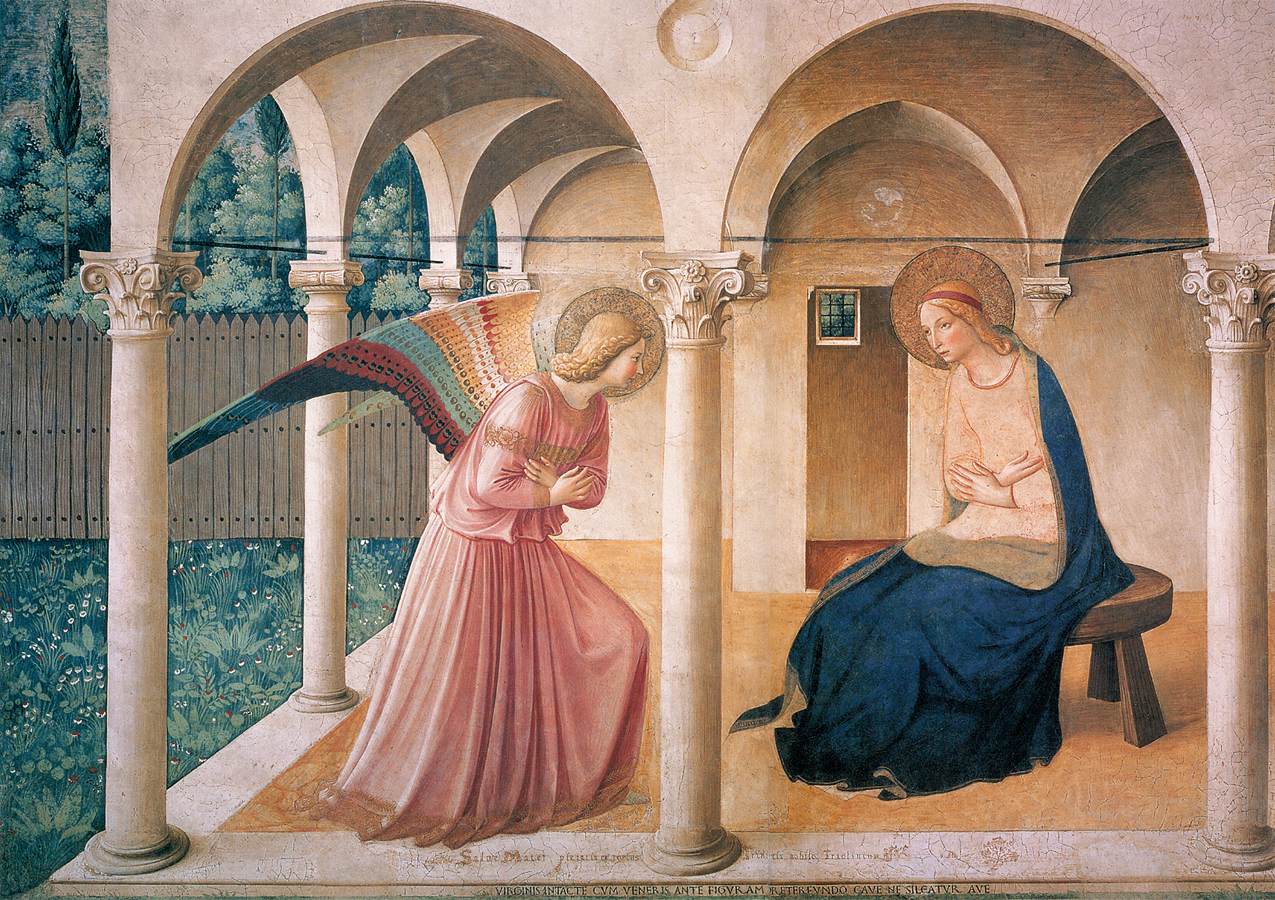
Marie-Alphonsine passed away on March 25, 1927, the Feast of the Annunciation, while praying the Rosary with her sisters. Her life was marked by deep spirituality and a strong dedication to her community, which continued to grow after her death. The process for her beatification began in 1985, and she was beatified (declared 'Blessed', the step before sainthood) on November 22, 2009, by Archbishop Angelo Amato on behalf of Pope Benedict XVI. Pope Francis canonized (officially declared a saint by the pope) her on May 17, 2015, after recognizing a miracle attributed to her intercession.