It was determined that Laurence was the keeper of the Church's treasure, so he was arrested and ordered to produce it. He requested a day to gather it. All night, he hurried around Rome, going in and out of its poorest streets and alleys. The next day, he appeared before the court, followed by a crowd of the poor, the lame, and the blind. “These,” he said, “are the treasures of the Church.” He was sentenced to death by cruel torture. He was to be roasted on a gridiron over a slow fire.
The fire was prepared, he was stripped, and laid on the iron bars. Everyone who looked at him saw his face, which appeared angelic. Not a sound escaped his lips, but his eyes were fixed on the deep blue sky, and a light blush colored his cheeks. The sun shone on his face and glorified it. He seemed unaware of the torture. “Turn me,” he said with a playful smile to his tormentors, “I am roasted on one side.”
And thus he died, without a cry of pain, a moan, or any expression of anguish on his serene face. “Who is unaware of the merits of this martyr?” asked Augustine. “Who has prayed thus”—at the tomb of the martyr—“and has not had his request granted? To how many sick people have his merits not provided the temporary benefits that he himself disregarded?”
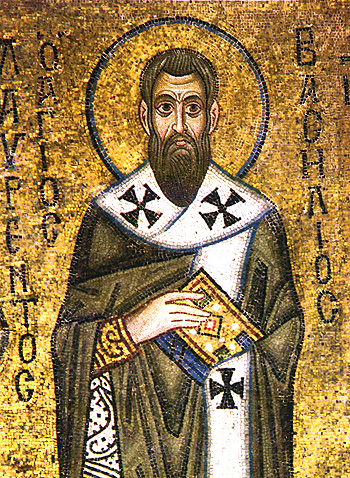
The body of Saint Laurence was laid to rest by a Christian named Hippolytus and the priest Justin, in a sand-pit on the Tiburtine Way, on the property of a widow named Cyriaca. It is unnecessary to elaborate on the countless relics claimed to be those of Saint Laurence in Rome. In the Escorial (a royal site in Spain) is a pot full of his melted fat given by Pope Gregory XIII. Saint Laurence is always depicted as a young man, wearing the vestments of a deacon. His symbols are a clasped book and a gridiron.
The gridiron in the church of Saint Lorenzo in Lucina, a shoulder-blade in the chapel of Saint Laurence in the Lateran, an arm at Saint Marco, a jaw at Saint Marcella, two ribs in Saint Croce in Hierusalem, some of his melted fat at Saint Maria in Campitelli, a rib in the church of the Apostles, another in Saint Praxede, part of the gridiron at Saint Maria in Cosmedin, some of his dalmatic (a type of vestment) at Saint Barbara, more of his fat, a backbone joint, and a tooth in Saint Maria Maggiore, a bone at Saint Cascilia, and a finger at Saint Susanna.
August 10. Saint Philomena. Saint Philomena, Virgin and Martyr (date unknown).
On May 25, 1802, in the Catacomb of Saint Priscilla on the Salarian Way, during excavations, a sepulchral slab was found embedded in the wall. This slab bore an inscription, although the first and last few letters had been worn away, likely by the tools of the masons who placed it. The inscription read as follows, with conjectural restorations in brackets: “Philomena, peace be with thee! So be it.”
When the stone was removed, the remains of a burial were discovered in the cavity behind it, along with a partly broken glass vessel that was encrusted with blood. In addition to the inscription, the stone slab featured symbols of an anchor, an arrow, a palm, a scourge, and again two arrows and a lily. These symbols clearly indicated that the person buried in the tomb was a virgin martyr who had suffered scourging and received the palm of martyrdom through an arrow.
Some excitable and imaginative individuals have claimed to have had visions of Philomena, during which she shared her story with them. In one of these visions, she told a canoness that her name, Philomena, comes from Latin and means “daughter of light” (Filia luminis). This statement reflects the nature of the other revelations. (Philomena is Greek and signifies “beloved.”)
Footnotes
- The gridiron in the church of Saint Lorenzo in Lucina, a shoulder-blade in the chapel of Saint Laurence in the Lateran, an arm at Saint Marco, a jaw at Saint Marcella, two ribs in Saint Croce in Hierusalem, some of his melted fat at Saint Maria in Campitelli, a rib in the church of the Apostles, another in Saint Praxede, part of the gridiron at Saint Maria in Cosmedin, some of his dalmatic at Saint Barbara, some more of his fat, a backbone joint and a tooth in Saint Maria Maggiore, a bone at Saint Cascilia, a finger at Saint Susanna.
- Philomena is Greek and signifies “beloved.”
Baring-Gould’s own footnotes, in modern English.
Read the original 1870s text
Baring-Gould’s sources: All the ancient Latin and Roman Martyrologies. By the Greeks also. Russian Kalendar, Anglican Reformed Kalendar, etc. Authorities: — A hymn of Prudentius, mention by S. Augustine, Tract 27 in Ioannem; S. Maximus of Turin, S. Ambrose, S. Peter Chrysologus, S. Leo. The Acts probably did not exist in the 5th cent., as the Fathers who speak of the martyrdom of S. Laurence make no reference to them, but rather imply that they relied on oral tradition.] N the persecution of Valerian, S. Sixtus or Xystus, Pope of Rome, was arrested. Laurence, his archdeacon, as the aged pontiff was being led to martyrdom, cried after him, “Why dost thou leave me, O holy father ? Should the priest go to the sacrifice without his attendant deacon ?” Sixtus turned to him and said, “ My son, after three days thou shalt follow me.”
It was ascertained that Laurence was the keeper of the treasure of the Church, and he was arrested, and ordered to produce it. He asked a day in which to collect it. All night he hurried about Rome, in and out of its poorest streets and courts. On the morrow he appeared before the I IO court, followed by a crowd of the poor, the halt, and the blind. “ These,” said he, “ are the treasures of the Church.” He was ordered to death by cruel torture. He was to be broiled on a gridiron over a slow fire.
The fire was made ready, he was stripped, and laid on the iron bars. And all who looked on him saw his face, as it were the face of an angel. Not a murmur escaped his lips, but his eyes were fixed on the deep blue sky, and a light blush suffused his cheeks. The sun shone on his countenance, and glorified it. He seemed insensible to the torture. “ Turn me,” said he, with a playful smile to his tormentors; “ I am roasted on one side.”
And thus he died, without a cry of pain, or a moan, or an expression of anguish on his serene brow. “ Who is ignorant of the merits of this martyr ?” asked S. Augustine. “ Who has prayed thus ” — at the tomb of the martyr — “and has not had his petition answered ? To how many sick have not his merits given those temporal benefits which he himself despised?”
The body of S. Laurence was laid by a Christian named Hippolytus, and the priest Justin, in a sand-pit on the Tiburtine Way, in the farm of a widow named Cyriaca. On the innumerable relics [the bodily remains of a saint, or objects they used, kept with honor] shown as those of S. Laurence at Rome1 it is unnecessary to dilate. In the Escurial is a pot full of his melted fat given by Pope Gregory XIII. S. Laurence is always represented as a young man, in the vestments of a deacon. His emblems are a clasped book and a gridiron.
1 The gridiron in the church of S. Lorenzo in Lucina, a shoulder-blade in the chapel of S. Laurence in the Lateran [St. John Lateran, the pope’s cathedral in Rome], an arm at S. Marco, a jaw at S. Marcella, two ribs in S. Croce in Hierusalem, some of his melted fat at S. Maria in Campitelli, a rib in the church of the Apostles, another in S. Praxede, part of the gridiron at S. Maria in Cosmedin, of his dalmatic at S. Barbara, some more of his fat, a backbone joint and a tooth in S. Maria Maggiore, a bone at S. Cascilia, a finger at S. Susanna, S. LAURENCE.
Aug. io. August io.] S'. Philomena. S. PHILOMENA, V.M. (date unknown.) [Authority: — The account in the “Vies des Saints” of the P&res Guerin et Giry.] On the 25th of May, 1802, in the Catacomb of S. Priscilla on the Salarian Way, during the extavations, was found a sepulchral slab, let into the wall, bearing an inscription, of which the first and last few letters had been effaced, probably by the tools of the masons who inserted it. The inscription was as follows, with the conjectural restorations in brackets: — \Fi\ lumena pax Tecum fi \at\.
“ Philomena, peace be with thee ! So be it.” On the removal of the stone, in the cavity behind, were found the remains of an interment, and a glass vessel, partly broken, encrusted within with blood. On the stone slab, in addition to tire inscription, were the symbols of an anchor, an arrow, a palm, a scourge, and again two arrows and a lily. These symbols pointed unmistakably to the occupant of the tomb having been a virgin martyr, who suffered scourging, and received the palm of martyrdom by means of an arrow. Some excitable and imaginative persons have deemed themselves favoured with visions of Philomena, who has narrated to them her story. In one of these visions she informed a canoness that her name, Philomena, was derived from the Latin, and signified “ daughter of light ” (Filia luminis), a statement which gives the measure to the rest of the revelations.1 1 Philomena is Greek, and signifies “beloved.1