This Saint’s Story
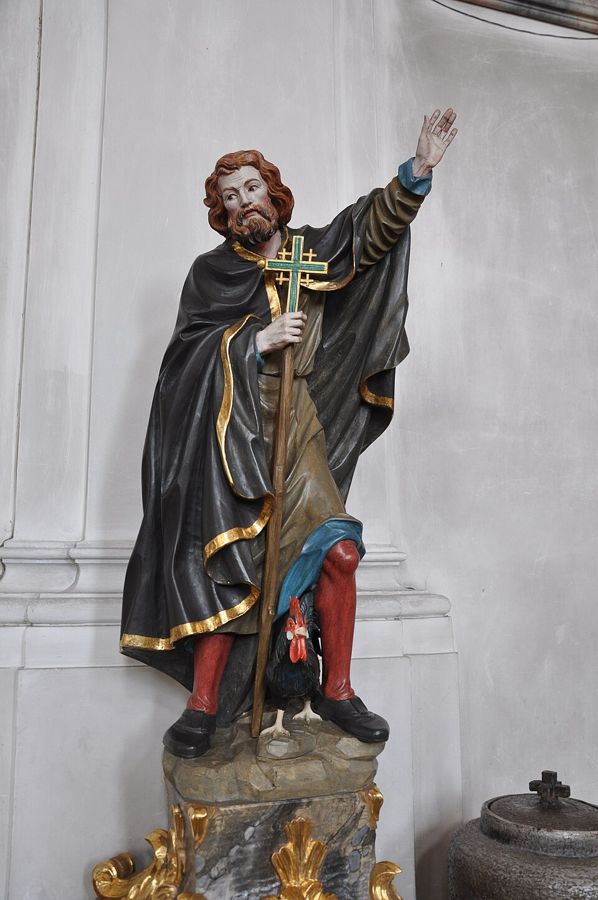
He lived a life marked by pilgrimage, traveling through Germany, Italy, and even to Jerusalem. After returning to Germany, he sought to join Hersfeld Abbey but was expelled due to disagreements over the monastic dress and his unconventional behavior. Heimerad's journey continued as he faced rejection at various monasteries, leading him to a more solitary life.
Eventually, Heimerad found a place for a hermitage on Hasunger Berg, near Kassel. Initially, he was mocked and scorned by locals, but over time, he gained respect and became known for his wisdom. He formed connections with notable figures, including Empress Kunigunde and Bishop Meinwerk of Paderborn. His life was characterized by a deep commitment to his faith, despite the challenges he faced.
Heimerad died on June 28, 1019, a date now commemorated as his feast day. Following his death, his grave became a site of pilgrimage, especially during the late 11th century, when it was one of the most visited pilgrimage sites in Germany. A church was built over his grave in 1021, which later became part of Hasungen Abbey, founded in 1074. Although his veneration declined after the abbey's dissolution in the 16th century, he is still remembered as a saint in both the Eastern Orthodox and Roman Catholic traditions.