This Saint’s Story
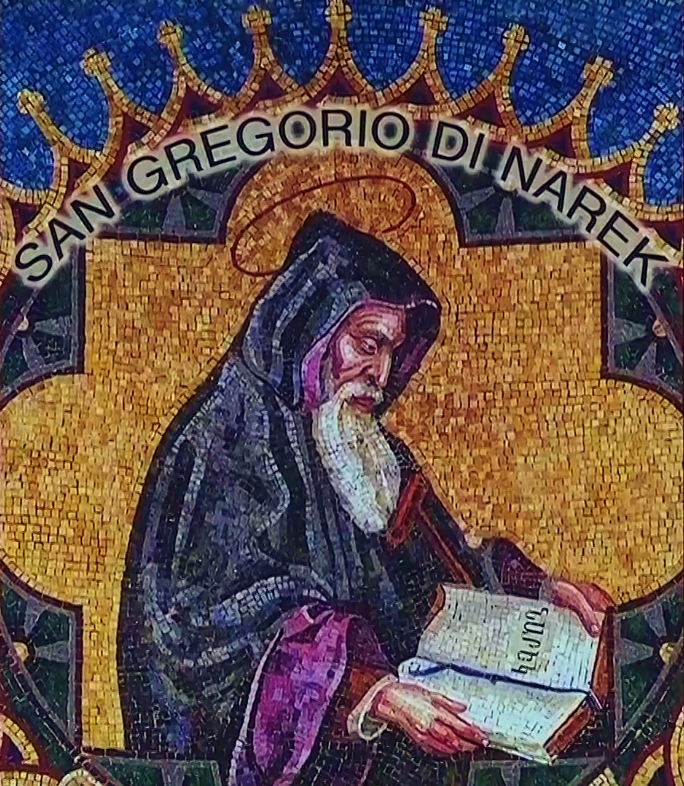
He was the son of Khosrov Andzevatsi, a bishop who faced excommunication due to his controversial beliefs. After the death of his mother, Gregory and his elder brother were raised by their scholarly uncle, Anania Narekatsi, the founder of the Narekavank monastery. This monastery became a significant center of learning, where Gregory received his education in theology.
In 977, Gregory was ordained as a priest and dedicated his life to teaching at the monastery. He became a prominent figure in Armenian literature and theology, known for his deep spiritual insights. His most famous work, the Book of Lamentations, completed around 1003, is a mystical poem that serves as a confessional prayer book. This work, often referred to simply as Narek, is considered a masterpiece of Armenian literature and has been translated into multiple languages, influencing countless readers over the centuries.
Gregory's writings reflect a profound understanding of the human condition, expressing themes of sin, grace, and the desire for divine connection. His philosophy emphasized salvation through faith and divine grace rather than solely through the institutional church. This perspective led to debates among scholars regarding his views, with some suggesting he was sympathetic to heretical movements of his time, such as the Tondrakians.
He passed away around 1003 and was buried within the walls of the Narekavank monastery, where he had spent most of his life. His legacy endured through his writings, which remained central to Armenian spirituality and culture. The Book of Lamentations, in particular, has been treasured by Armenian families and many have traditionally prayed from it in times of illness, trusting in its prayers for healing.
In 2015, Pope Francis recognized Gregory's significant contributions to the Church by declaring him a Doctor of the Church (a title the pope gives to a saint whose teaching is of special value to the whole Church) during a Mass commemorating the Armenian genocide. This honor reflects Gregory's enduring impact on both the Armenian Apostolic and Catholic Churches.