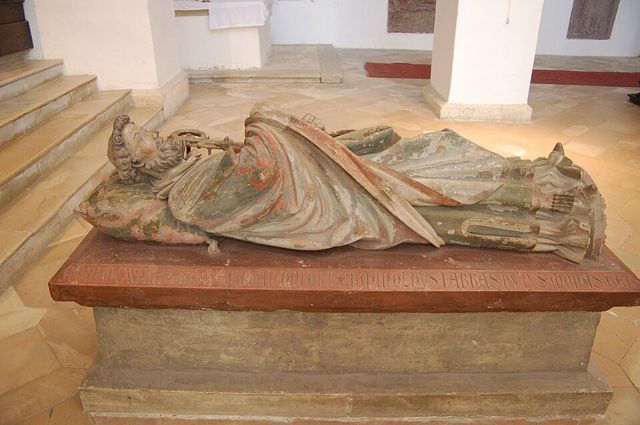
Erminold came from one of the prominent families in Swabia, and in his early life, he was entrusted to William, the abbot of Hirschau, for his education. A better teacher could not have been found for him, as William was one of the most learned and devout men of that time. The young Erminold made quick progress in his studies and grew in favor with both God and people. When his time as a student ended, he took the vows of monastic life. In 1110, he was appointed by Emperor Henry V to the abbey of Lorch, located on the Rhine River. However, upon learning that this position had been given to him at the request of his brother, as a favor for something his brother had done for the Emperor, Erminold renounced the position to avoid any suspicion of simony (the buying or selling of ecclesiastical privileges) and returned to Hirschau.
Later, the Bishop of Bamberg founded an abbey at Prufening, near Ratisbon (now Regensburg, Germany), and invited him to establish it and become its first abbot. He went there with a few fellow monks. However, he faced hostility from some of his monks due to his insistence on strict discipline. One monk named Aaron attacked him with a knife and fatally wounded him. He died, forgiving his attacker.
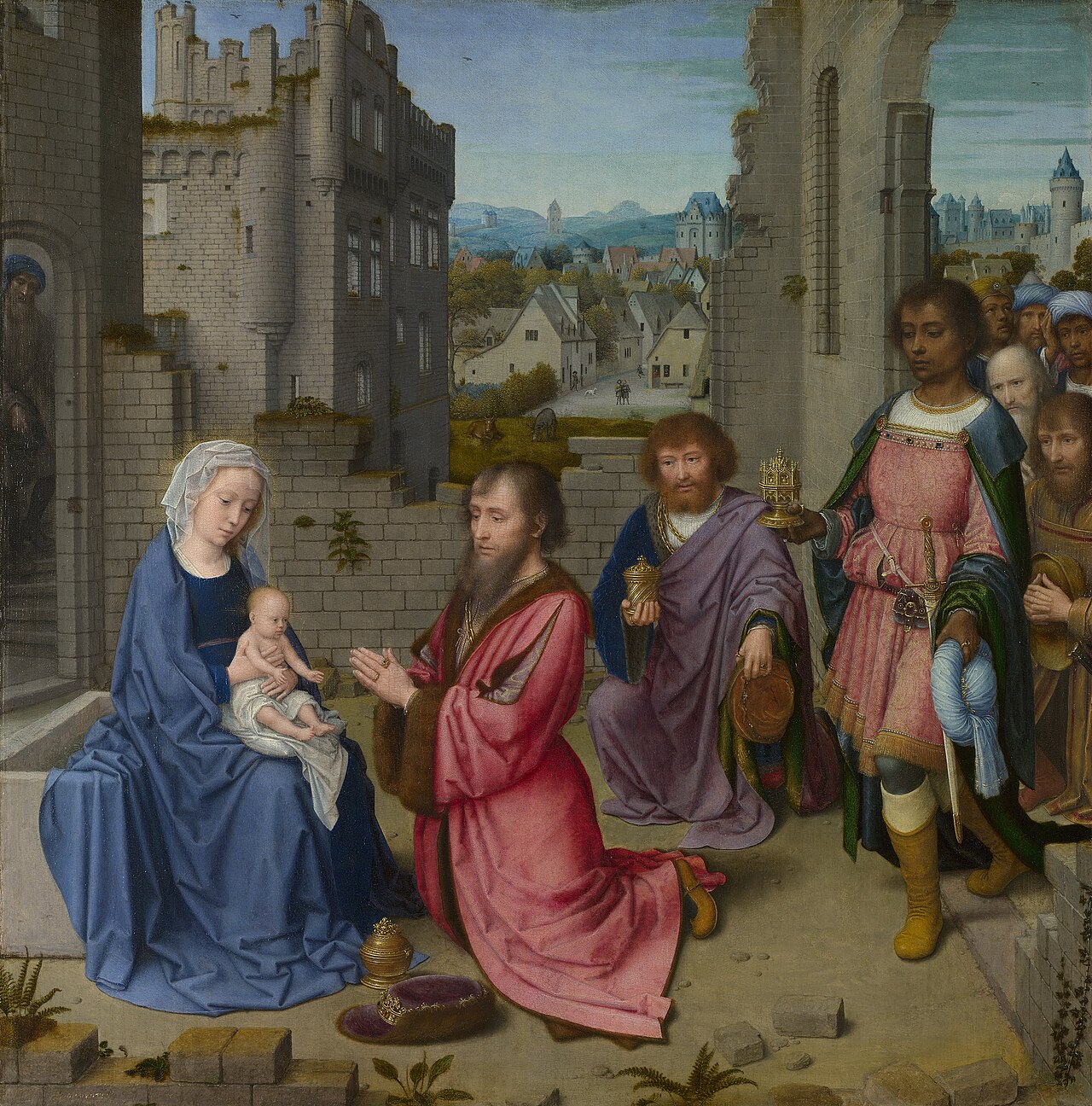
Worshippers at the Shrine of a Saint.
Saint Lucian, martyr, at Antioch, around A.D. 312. Saint Nicetas, bishop, around A.D. 402. Saint Valentine, bishop of Passau, around A.D. 440. Saint Cedd, bishop of London, A.D. 664. Saint Tyllo, monk in Gaul, around 700. Blessed Wittekind, Duke of Westphalia, A.D. 800. Saint Rainold, monk and martyr, of Dortmund, in Westphalia. Saint Aldric, bishop of Le Mans, in France, around A.D. 855. Saint Canute, Duke of Schleswig, A.D. 1133.
Footnotes
- simony (the buying or selling of ecclesiastical privileges)
- Ratisbon (now Regensburg, Germany)
Baring-Gould’s own footnotes, in modern English.
Read the original 1870s text
Baring-Gould’s sources: Mentioned in the German Martyrologies. His life was written by a monk of Prufening, about the year 1290.
S. Erminold sprang from one of the first families in Swabia, and was given in early life to William, abbot of Hirschau, to be educated. A better tutor could not have been found for him, for William was one of the most learned and pious men of the age. The youthful Erminold made rapid progress in his studies, and he grew up in favour with God and man. When his pupilage was ended, he took the vows of monastic life upon him. In 1110, he was appointed by the Emperor Henry V., to the abbey of Lorch, on the Rhine; but hearing that this had been given him at the request of his brother, as a return for something his brother had done for the Emperor, Erminold threw up the office, so as not to incur the least suspicion of simony, and returned to Hirschau. But the Bishop of Bamberg, having founded an abbey at Prufening, near Ratisbon [Regensburg in Bavaria], he was invited to colonize it, and be its first father. He accordingly betook himself thither, with a few brethren. Having incurred the hostility of some of his monks, by insisting on strict discipline, one, named Aaron, struck him with a knife and mortally wounded him. He died, forgiving his murderer.
Worshippers at the Shrine of a Saint.
S. Lucian , P. M., at Antioch, circ. a.d. 312. S. Nicetas , B. C., circ. a.d. 402. S. Valentine , B. of Passau, circ. a.d. 440. S. Cedd , B. of London , a.d. 664. S. Tyllo , Monk in Gaul [roughly modern France and Belgium], circ. 700. B. Wittekind , Duke of Westphalia , a.d. 800. S. Rainold , Monk and M., of Dortmund, in Westphalia. S. Aldric , B. of Le Mans, in France, circ. a.d. 855. S. Canute , Duke of Schleswig , a.d. 1133.