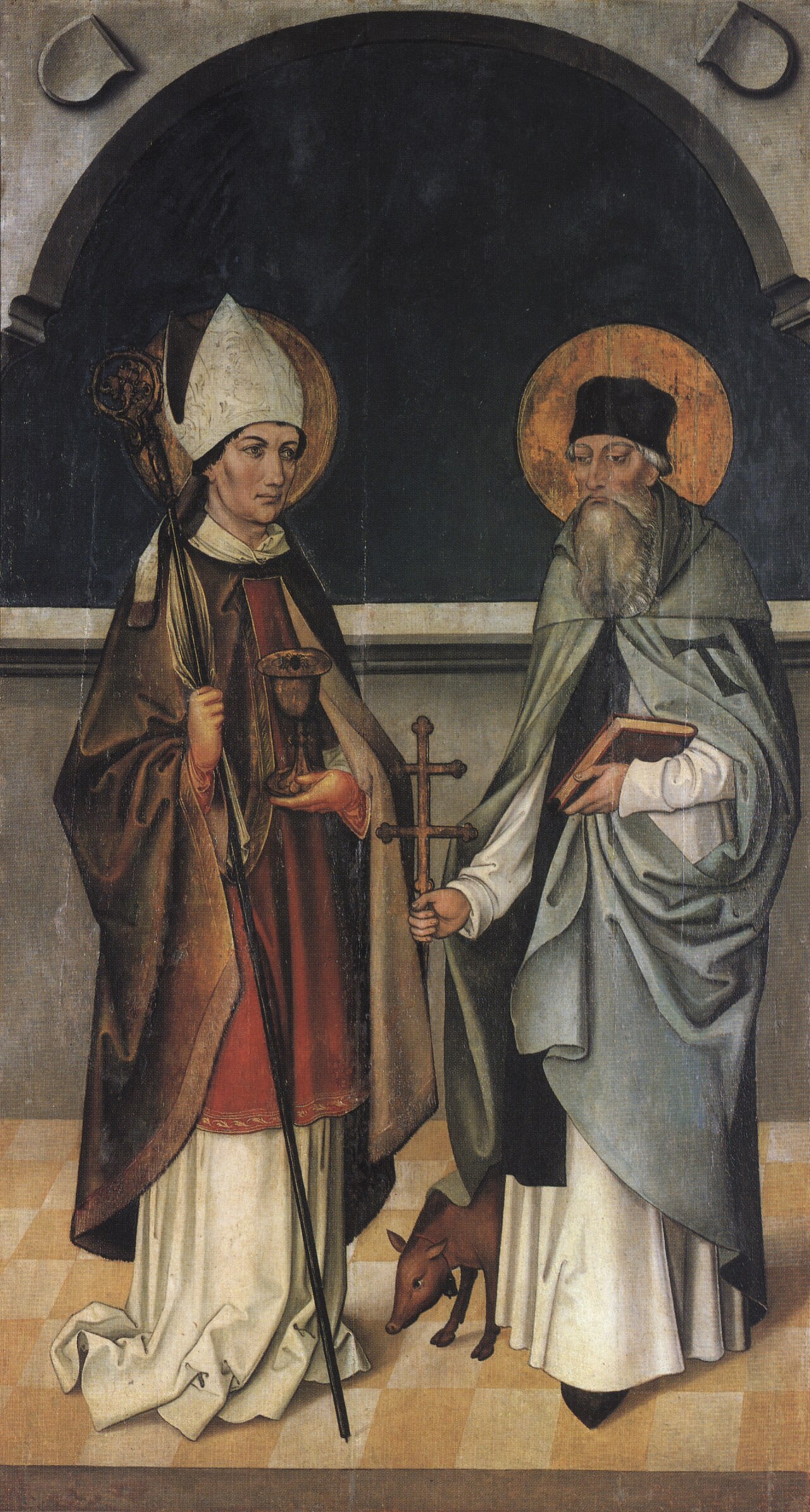
St. Conrad of Constance

Conrad was of the house of the Guelphs, from the counts of Altorff. Conrad was brought up for the Church, and on being ordained priest was at once invested with the provostship of the cathedral of Constance.

Read the essentials →
Traditional feast November 26 · Bishop

St. Conrad of Constance

Feast

Traditional feast: November 26 (Roman Martyrology 1916 (archive.org OCR, sources/rm1916.txt))
Traditional date · cited source, no current calendar entry found

Traditional feast

November 26
1914 / pre-1969 calendar, per Baring-Gould (1897)

Represents

Bishop

Feast days

Feast: November 26

This Saint’s Story

Adapted in modern English from Alban Butler's Lives of the Saints · Baring-Gould original below

He studied at the schools of Constance, was ordained priest and became provost there.

When Bishop Noting died in 934, Conrad was chosen bishop after long reluctance. He was a close friend of St. Ulric of Ausburg. He built and endowed three churches at Constance, dedicated to St. Maurice, St. John the Evangelist and St. Paul. He made three pilgrimages to the holy places at Jerusalem.

Butler tells that one Easter a spider fell into the chalice; Conrad swallowed it out of reverence for the sacrament, and brought it up some hours later unharmed. He died in 976 after 42 years as bishop and was buried at St. Maurice's, where two blind men are said to have been healed. Butler and Baring-Gould agree on 976.
Short entry · the summary here is 173 words; Baring-Gould’s fuller original text and its sources are below. We have not filled any gap with invented detail.

What he represents

How he teaches us to live

Drawn from themes in the original account

Celebrate this saint’s feast day. Remember him on November 26 with a short prayer, and ask for his help.

The full story

Baring-Gould’s account retold in modern English

Read the full story · 172 words · about 1 min

Henry, Count of Altdorf, from the Guelf family, had two sons, Conrad and Rudolf, who was the fourth Count of Altdorf. Conrad was raised for the Church, and after being ordained as a priest, he was immediately appointed as the provost of the cathedral of Constance. His status and devotion made him a suitable candidate for the vacant bishopric of Constance after the death of Bishop Nothing in 934, according to the electors. He was a friend of Saint Ulric of Augsburg. Conrad exchanged lands with his brother to acquire estates near Constance, which he then used to endow the bishopric. He made three pilgrimages to Jerusalem.

One Easter Day, a large spider fell into the consecrated chalice. At that time, spiders were believed to be poisonous. Conrad thought it was most respectful to swallow the spider, after which he was filled with dread, expecting to die. After an hour or two, he vomited the spider, and in art, he is depicted with a chalice and a spider. He died in 976.

Read the original 1870s text

Baring-Gould’s sources: Roman and German Martyrologies. Canonized by Pope Calixtus II. Authorities: — A Life by Oudalschalk, abbot of SS. Ulric and Afra in Augsburg, d. 1150; written with the purpose of inducing Calixtus to grant the canonization of Conrad. In Pertz, Mon. Scr. Germ. iv. pp. 430-436. Another Life, by an anonymous writer ot the 12th century, containing no new matter, in Pertz, iv. pp. 436-445. A third Life, by an anonymous writer, in Mone, “Quellensammlung,” i. pp. 79-80.] The Lives we have of S. Conrad come to us from so late a date that they contain little that can give a lively portraiture VOL. XIV. T2 of the saint. They are shadowy creations of the biographers, based on a few historical facts and on more or less untrustworthy traditions.

Henry, count of Altdorf, of the Guelf family, had two sons, Conrad, and Rudolf, the fourth count of Altdorf. Conrad was brought up for the Church, and on being ordained priest was at once invested with the provostship of the cathedral of Constance. His rank and piety pointed him out to the electors in 934 as a suitable person to fill the vacant see of Constance [a bishop’s “see” is his diocese, named from his seat (Latin sedes)] on the death of Bishop Nothing. He was a friend of S. Ulric of Augsburg [St. Ulrich, bishop of Augsburg 923–973]. Conrad exchanged lands with his brother, so as to obtain estates near Constance, and he endowed the see with these. He made three pilgrimages to Jerusalem. One Easter Day a great spider fell into the consecrated chalice. In those times spiders were supposed to be poisonous. Conrad deemed it most reverent to swallow the spider, after which he sat in an agony of mind, expecting death. An hour or two after he threw up the spider, and now in art he is represented with a chalice and spider. He died in 976.

Help us add to this saint's story

Everything is read by a person before anything appears. Facts are checked against trusted sources first.

Facts are welcome; a source link helps (optional).With your permission we may share it on this page.

Nine days · Free

Pray the novena
with us.

One short email a day for nine days. The day's prayer, a line from St. Conrad of Constance's story, and a nudge to keep going.

Also on November 26
P

St. Peter of Alexandria

November 26 · Bishop, Martyr
B

St. Bellinus

November 26 · Bishop, Martyr
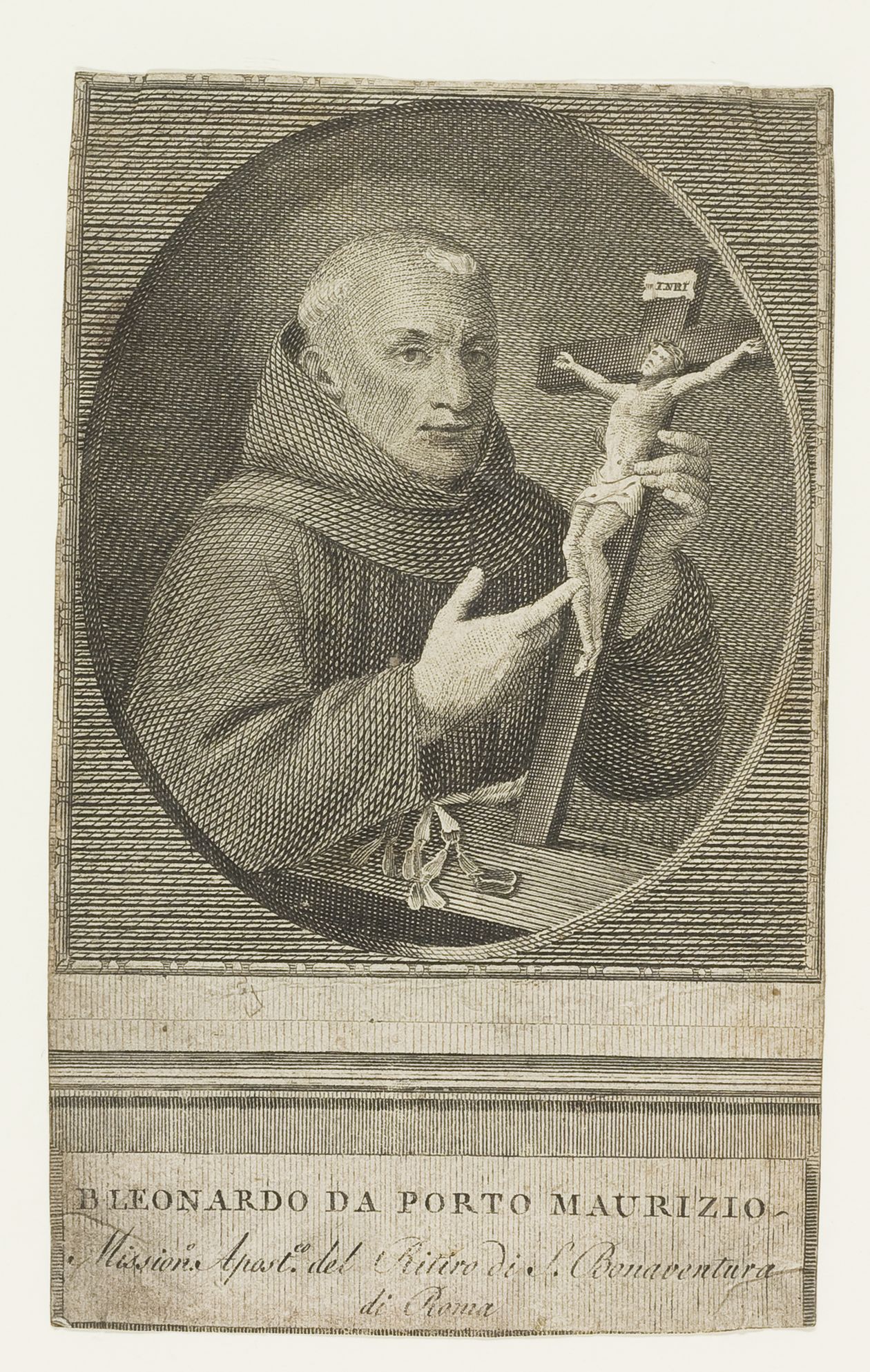
St. Leonard of Porto-Maurizio

St. Leonard of…

November 26 · Confessor
← All 1970 saints in the library
Sources & notes

Feast-day sources

Story sources

Sources

Credits

Image: Konrad und Antonius Altarflügel St Veit in Horn.jpg · Meister des Hohenlandenberg-Altars (Matthias Gutrecht d. Ä. zugeschrieben) · Public domain, via Wikimedia Commons

Image: Meister des Hohenlandenberg-Altars (Matthias Gutrecht d. Ä. zugeschrieben), Wikimedia Commons (Public domain)

Retold in plain modern English from Baring-Gould’s public-domain text, sentence by sentence, keeping the same facts and order. Short explanations in parentheses are ours.

From Sabine Baring-Gould, The Lives of the Saints, new edition in 16 vols. (London: John C. Nimmo, 1897–98); text from the Internet Archive scan (OCR, lightly cleaned; errors possible). Public domain in the United States. Reproduced unedited, except for short bracketed notes in grey that we added to explain names and terms (“S.” is the old abbreviation for Saint). Some history and judgments reflect 19th-century scholarship.