This Saint’s Story
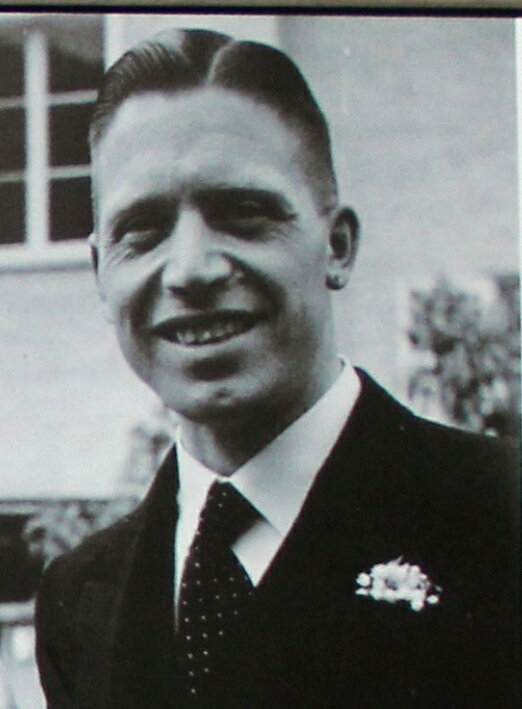
His upbringing on a farm instilled strong Christian values in him, influenced by his parents and his elder brother Jakob, who pursued a path to the priesthood. From a young age, Josef was inspired by the works of Frederic Ozanam and Vincent de Paul, leading him to join the Society of Saint Vincent de Paul at 22. By 1937, he became the president of the Bolzano division, where he actively supported the poor, advocating for their needs both materially and spiritually.
In 1934, Mayr-Nusser took on a leadership role in Catholic Action (organized lay apostolate groups) within the Diocese of Trent, responding to Pope Pius XI's call for greater lay involvement. His commitment to social justice was evident in his efforts to aid the impoverished, and he was known for his thoughtful letters encouraging fellow members to prioritize visits to those in need. His dedication to faith was further deepened through the study of influential theologians like Thomas Aquinas and Thomas More.
In 1944, as World War II intensified, Mayr-Nusser was conscripted into the Nazi SS, separating him from his wife Hildegard and their newborn son, Alberto. Despite the pressures of military service, he remained steadfast in his beliefs. On October 4, 1944, he publicly refused to take the Hitler oath, stating that his faith and conscience would not allow him to do so. This courageous act led to his arrest and eventual sentencing to death for treason. During his imprisonment, he maintained his faith, often writing letters to his wife expressing his commitment to his principles.
Mayr-Nusser was transported to Dachau concentration camp, but he fell ill with dysentery during the journey. He died on February 24, 1945, in a cattle car, surrounded by fellow prisoners. His body was found with a Bible and a rosary. His remains were later moved to the Lichtenstern chapel in 1958, reflecting the respect he garnered for his sacrifice.
The process for his beatification began in 1991, and after several years of investigation, he was declared a Servant of God in 2005. His martyrdom was recognized, leading to his beatification by Cardinal Angelo Amato on March 18, 2017, under Pope Francis's approval. The Pope praised Mayr-Nusser as a model for laypeople, particularly fathers, highlighting his moral and spiritual stature.