This Saint’s Story
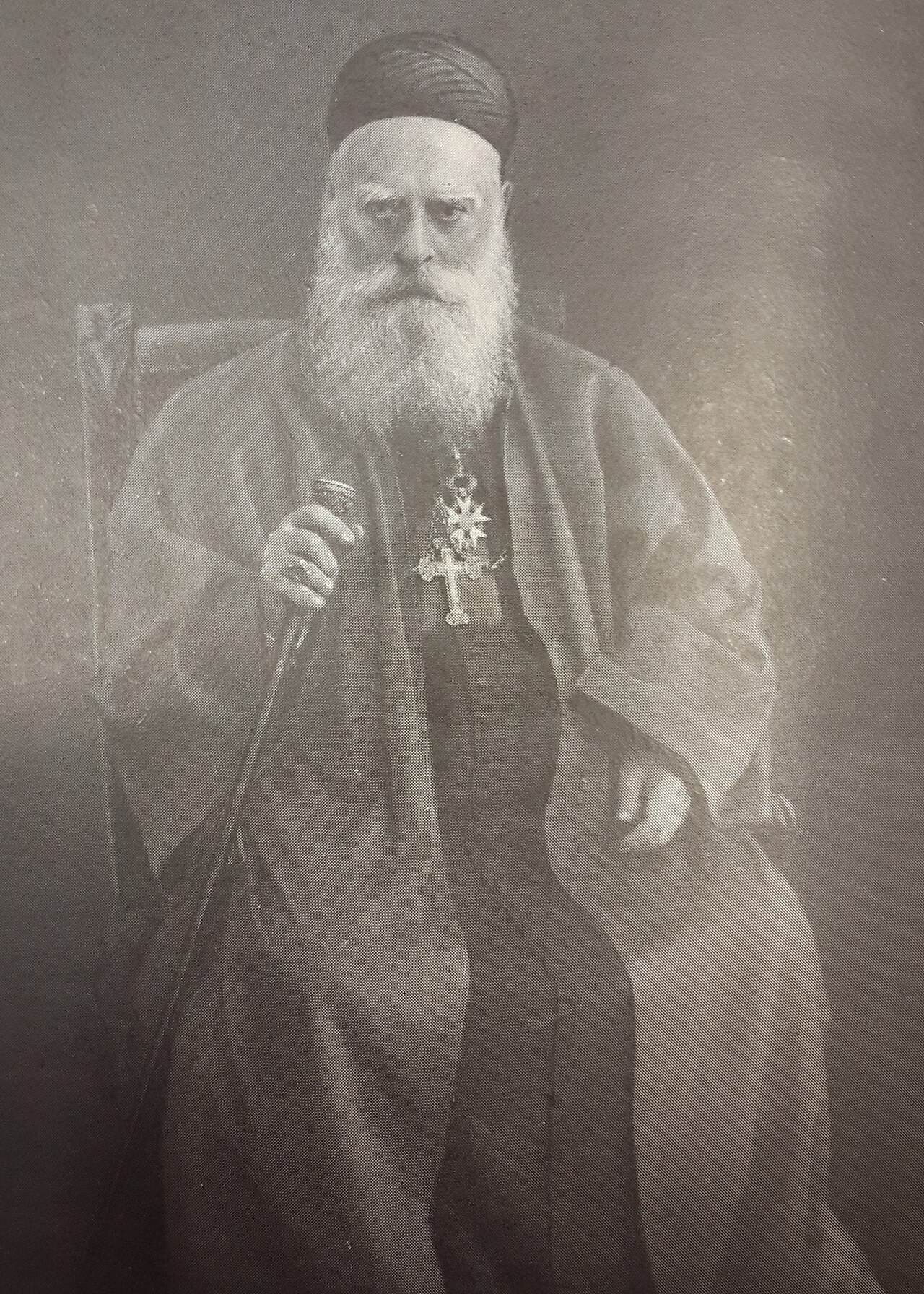
He came from a Maronite family and received his education at a local seminary before continuing his studies at a Jesuit (member of the Society of Jesus, founded by St. Ignatius of Loyola) institution in Ghazir. His academic pursuits included languages and philosophy, and in 1866, he traveled to Rome to study theology. After being ordained as a priest in 1870, he returned to Lebanon to teach theology at his former school. In 1898, he was elected as the 72nd Maronite Patriarch of Antioch, a role he fulfilled until his death in 1931.
As patriarch, Hoayek was deeply committed to the spiritual and educational needs of the Maronite community. He initiated the construction of a new patriarchal residence and played a significant role in establishing a Maronite college in Rome. He also founded a religious congregation aimed at serving the community, which focused on education and social services. His leadership was characterized by a dedication to the formation of clergy and the catechesis of the faithful, reflecting his belief in the importance of education in nurturing faith.
During World War I, Hoayek faced immense challenges as the Lebanese population suffered from famine and persecution under Ottoman (the Turkish empire) rule. He worked tirelessly to provide relief, utilizing the resources of the Patriarchate to alleviate the suffering of his people. His efforts to support the Lebanese community during this crisis earned him the respect and affection of many, leading to his nickname, 'Father of Greater Lebanon.'
In 1919, Hoayek represented Lebanon at the Paris Peace Conference, advocating for the country's independence from Ottoman rule. His efforts contributed to the establishment of Greater Lebanon under French mandate in 1920. He continued to serve his community, focusing on pastoral care and social initiatives until his health declined.
Elias Peter Hoayek passed away on December 24, 1931, in Bkerké, Lebanon. His legacy of leadership, compassion, and dedication to the Maronite Church and the Lebanese people has been recognized by the Church. He was declared Venerable on July 5, 2019, and was beatified (declared 'Blessed', the step before sainthood) on July 25, 2026.