This Saint’s Story
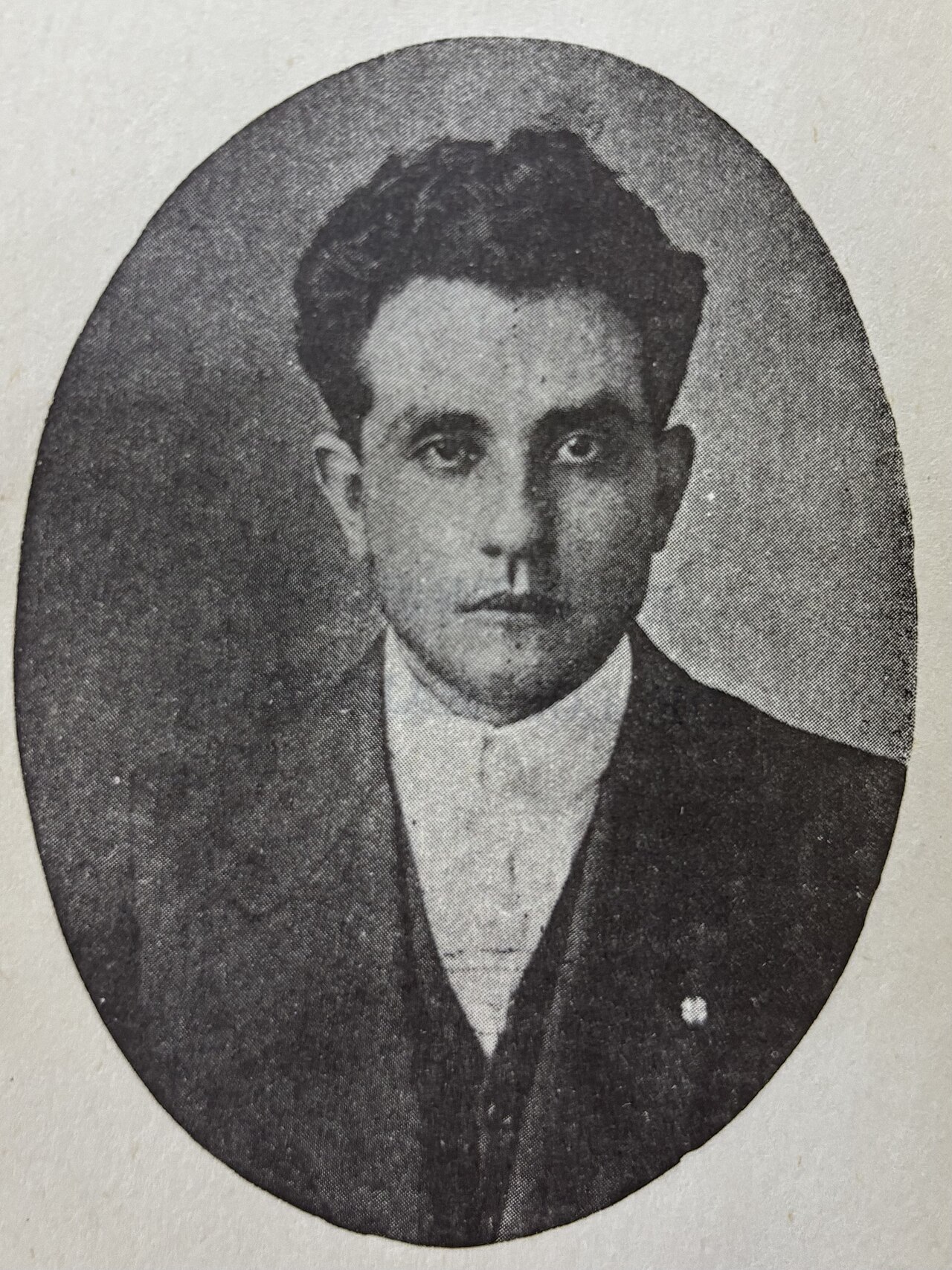
Anacleto González Flores entered the world on July 13, 1888, in Tepatitlán, Jalisco, Mexico, as part of a large family with modest means. A family friend, recognizing his intelligence, encouraged him to attend a minor seminary, where he excelled academically and earned the nickname 'Maestro.' After realizing he was not called to the priesthood, he shifted his focus to law, graduating in 1922. That same year, he entered into marriage with María Concepción Guerrero, and together they welcomed two children into their family. Throughout his life, he remained deeply committed to his faith, attending Mass daily and engaging in charitable activities, such as teaching catechism and visiting those in prison.
González became increasingly involved in activism, leading the Catholic Association of Mexican Youth (ACJM) and founding the magazine La Palabra, which opposed the anti-Catholic articles of the 1917 Constitution. He also established the Popular Union (UP) to mobilize Catholics against government persecution. Initially advocating for non-violent resistance inspired by Mahatma Gandhi, he changed his stance after learning of the murder of four ACJM members in 1926. This event prompted him to join the National League for the Defense of Religious Liberty and support the Cristero War, a rebellion against the oppressive government.
During the Cristero War, which began in January 1927, González did not take up arms but worked tirelessly to support the fighters with resources and encouragement. He wrote pamphlets and delivered speeches to rally support among Catholics. However, the government intensified its efforts to suppress the rebellion and sought to capture leaders like González. He was eventually arrested and falsely accused of murder, knowing that the real perpetrator was a robber.
González endured severe torture while in custody, including being hung by his thumbs and having his feet slashed. Despite the brutal treatment, he remained steadfast in his faith and refused to betray his fellow Catholics. On April 1, 1927, he was executed by firing squad. His last words echoed the sentiments of other martyrs, proclaiming, 'I die but God does not! Viva Cristo Rey!' His execution was a tragic event, as a letter exonerating him arrived just after he was shot.
The Church recognized González's sacrifice and martyrdom, beatifying him on November 20, 2005, through the efforts of Cardinal José Saraiva Martins on behalf of Pope Benedict XVI. His feast is kept on that same date.