This Saint’s Story
He came from a noble family and was the third of six children. His father passed away when he was just eleven, and five years later, his mother was exiled to Siberia due to her involvement in a nationalist movement. This early loss and separation deeply influenced his life and future commitments.
After completing his studies in mathematics at the Imperial Moscow University, Feliński pursued further education in Paris, where he engaged with Polish exiles and prominent literary figures. His involvement in the Polish uprising of 1848 against Prussian rule marked the beginning of his lifelong dedication to Polish nationalism and the Catholic faith.
Feliński returned to Poland in 1851 to enter the diocesan seminary and was ordained a priest in 1855. He became a professor at a theological academy in Saint Petersburg and established a religious community dedicated to serving the poor and orphans in 1857. His pastoral work emphasized spiritual renewal and education within the Church.
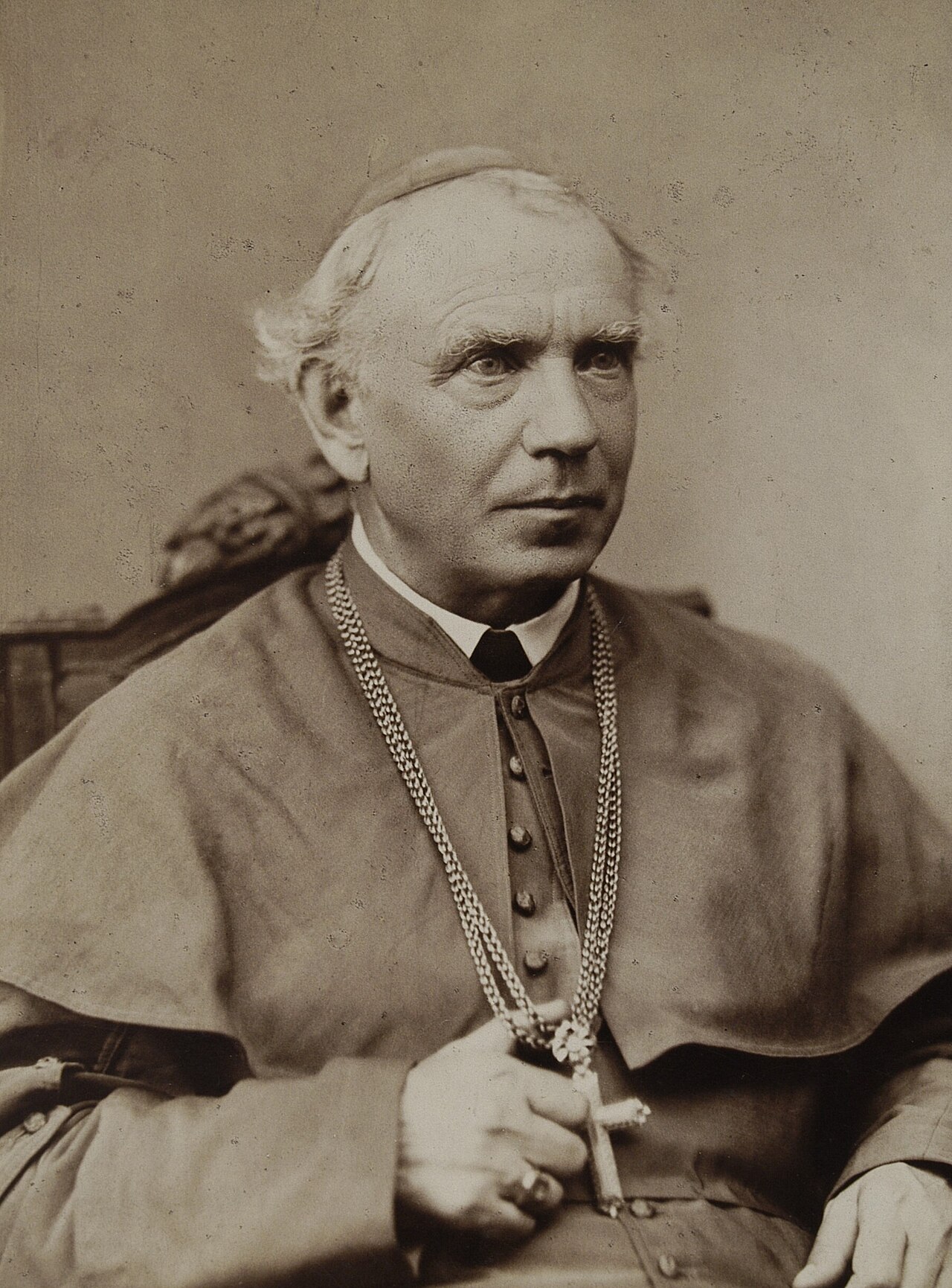
In 1862, he was appointed Archbishop of Warsaw amidst a climate of political unrest. His leadership faced skepticism due to his ties with the Russian government. Despite this, he worked tirelessly for the Church's autonomy and the welfare of his people, advocating for the rights of the Polish nation. His opposition to the January 1863 Uprising led to his arrest and a twenty-year exile in Yaroslavl, where he continued to support Polish Catholics.
Feliński was released in 1883 but was not allowed to return to Warsaw. He spent his remaining years in Galicia, where he continued his mission of education and charity. He passed away on September 17, 1895, in Kraków, and was buried in Warsaw's cathedral. His life of service and dedication to God and his country led to his beatification by Pope John Paul II in 2002 and canonization by Pope Benedict XVI in 2009.