St. Victoria

Victoria is the virgin martyr kept on this page on 23 December, together in the old story with her sister Anatolia and with the soldier Audax.

Read the essentials →
Traditional feast December 23 · Virgin, Martyr

St. Victoria

Feast

Traditional feast: December 23 (Butler, Lives of the Saints vol.12 (Derby: Richardson, 1842–46 edition), heading 'ST. VICTORIA, V. M.')
Traditional date · cited source, no current calendar entry found

Traditional feast

December 23
1914 / pre-1969 calendar, per Baring-Gould (1897)

Represents

Virgin
Martyr

Feast days

Feast: December 23

This Saint’s Story

She is not a modern princess. The Jerome martyrology names Anatolia and Victoria together on 10 July in the Sabine country, and names Victoria alone on 19 December at Trebula. Victricius of Rouen already mentions Anatolia in 396. A passio of the sixth or seventh century, known to Aldhelm and to Bede (the English monk-historian, d. 735), adds Audax. Baronius put Anatolia and Audax on 9 July and Victoria on 23 December. The Roman Martyrology (the Church's official list of saints for each day) of 2001 names Victoria and Anatolia on 10 July.

The legend is set under Decius, about 250. The sisters are promised to two non-Christian nobles, resist marriage, and are confined on the men's estates. Victoria's suitor is named Eugenius. The passio says she was stabbed through the heart at Trebula Mutuesca, now Monteleone Sabino. It also says she drove off a dragon and that her killer died of leprosy. Those last scenes are legend. Anatolia, in the same legend, is killed at a place called Thora after a snake will not bite her, and Audax, sent to kill her, is converted and dies with her. Tradition holds the stabbing and the conversions as the shape of the passio. They are not a court record.

Relics said to be Victoria's were moved in 827 from Farfa toward the Picene country because of a siege, and in 931 to the town now called Santa Vittoria in Matenano. Anatolia and Audax are claimed at Subiaco. This page's December day is Baronius's day for Victoria, not the July day of the present Roman Martyrology.

This page keeps 23 December.

For today: If you are under pressure to marry against your conscience, you are allowed to refuse. You do not have to adopt the dragon, or a leper's curse, to make the refusal real. And if your book says December while another book says July, keep both titles in view.

What she represents

How she teaches us to live

Drawn from themes in the original account

Give to people in need. The account records care for the poor.

Celebrate this saint’s feast day. Remember her on December 23 with a short prayer, and ask for her help.

The full story

Baring-Gould’s account retold in modern English

Read the full story · 272 words · about 1 min

Victoria readily agreed and went to Anatolia. She said to her, “Listen to me, my sister: I am a Christian, and I know that God does not disapprove of marriage. The prophets and the patriarchs had wives, and God blessed their descendants. Now listen to me: take your husband; he is a good man and will not betray that you are a Christian. It is very possible that your relationship with him may lead to his conversion.” This advice, which closely resembled what St. Paul advised, was met with disdain by St. Anatolia. “Oh, Victoria!” she said, “conquer the devil, and truly be Victoria. God said, when the world was empty, ‘Be fruitful, and multiply, and fill the earth.’ But now that the earth is populated, and the Son of God has proclaimed, ‘Increase in faith, multiply in charity, and fill the heavens,’ physical unions are pointless.”

With these and other words, Anatolia convinced Victoria to live a life of strict chastity. Their fiancés took them to their estates in the countryside and would not allow them to eat unless they agreed to become their wives. Only a little bread was given to them in the evening. Eventually, Victoria's strong resolve prevailed; Eugenius abandoned her to the authorities, and she was beheaded.

If there is any truth in these accounts, it suggests that a view of marriage must have gained a strong foothold in Rome in the middle of the third century that was similar to what later developed by Manes. However, it is more likely that the part about the opposition of the virgins to their marriage is a later invention.

Footnotes

  1. This advice, which closely resembled what St. Paul advised, was met with disdain by St. Anatolia.
  2. “Be fruitful, and multiply, and fill the earth.”
  3. “Increase in faith, multiply in charity, and fill the heavens,” physical unions are pointless.

Baring-Gould’s own footnotes, in modern English.

Read the original 1870s text

Baring-Gould’s sources: Roman Martyrology. Usuardus, Ado, Notker, &c. Authorities: — The brief Acts in Ado, and a metrical version of the Acts by S. Aidhelm in his book, De Laude Viiginitatis. Aldhelm was bom about VICTORIA was betrothed to Eugenius, a pagan of rank and wealth in Rome. Titus Aurelius, a friend of Eugenius, wanted to marry S. Anatolia, to whom he was engaged, but she showed such repugnance towards the marriage state, that Titus Aurelius went to Victoria, and begged her, as she was a Christian like Anatolia, to persuade her to be reasonable, and to marry him.

Victoria readily consented, and went to Anatolia, and said to her: “ Listen to me, my sister: lama Christian, and I know that God does not abhor marriage. The prophets and the patriarchs had wives, and God blessed their posterity. Now listen to me: take your husband; he is an upright man, and will not betray that you are a Christ and it is very possible that your connection with him may be the means of his conversion.” This advice, so exactly what S. Paul gave,1 was met with disdain by S. Anatolia. “ Oh, Victoria 1” said she, “ conquer the devil, and be indeed Victoria. God said, when the world was void, Be fruitful, and multiply, and replenish the earth. But now that the earth is populated, and the Son of God has proclaimed, Increase in faith, multiply in charity, and replenish the heavens, carnal unions are vain.”

By these and other words Anatolia persuaded Victoria to a life of strict continence. Their bridegrooms carried them off to their estates in the country, and would not let them eat unless they consented to become their wives. Only a little bread was given them in the evening. At last the inveterate resolution of Victoria triumphed; Eugenius abandoned her to the magistrates, and she was decapitated.

If there be any truth in these Acts, it shows that a view of marriage must have obtained a hold in Rome in the middle of the third century which was identical with that afterwards developed by Manes. But it is more probable that the part referring to the opposition of the virgins to their marriage is an invention of a later age.
Help us add to this saint's story

Everything is read by a person before anything appears. Facts are checked against trusted sources first.

Facts are welcome; a source link helps (optional).With your permission we may share it on this page.

Nine days · Free

Pray the novena
with us.

One short email a day for nine days. The day's prayer, a line from St. Victoria's story, and a nudge to keep going.

Also on December 23
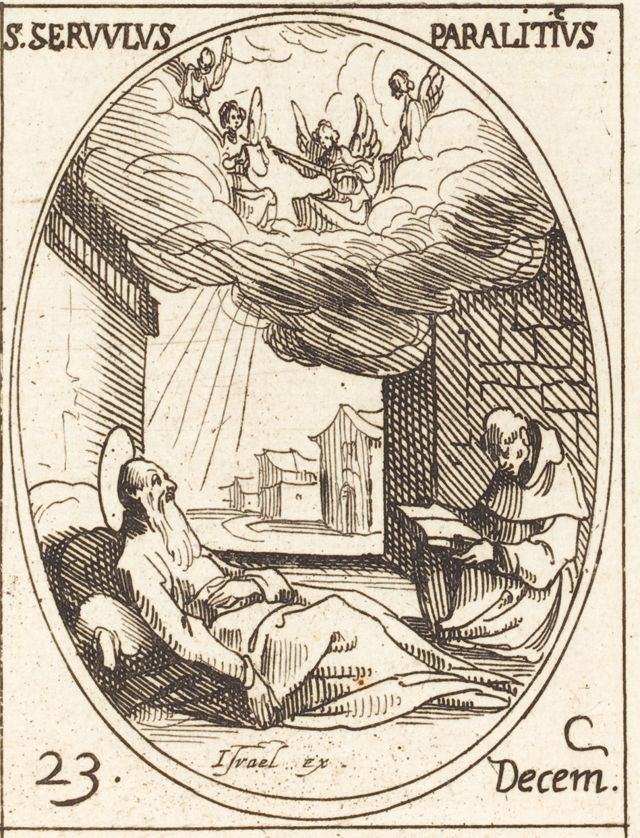
St. Servulus

St. Servulus

December 23 · Feast
M

St. Mazota

December 23 · Virgin
T

St. Thorlac of Skalholt

December 23 · Bishop
← All 1970 saints in the library
Sources & notes

Feast-day sources

Story sources

Sources

Credits

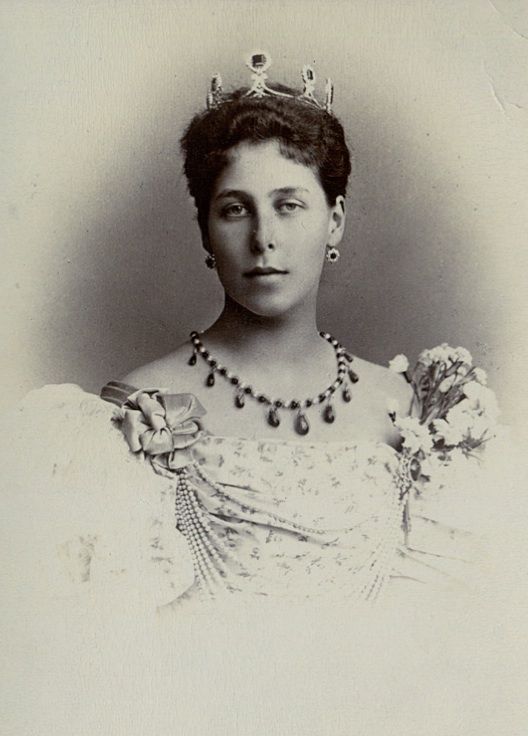
Image: Victoria Melita of Edinburgh and Saxe-Coburg and Gotha.jpg · Hugo Thiele · Public domain, via Wikimedia Commons

Image: Hugo Thiele, Wikimedia Commons (Public domain)

Retold in plain modern English from Baring-Gould’s public-domain text, sentence by sentence, keeping the same facts and order. Short explanations in parentheses are ours.

From Sabine Baring-Gould, The Lives of the Saints, new edition in 16 vols. (London: John C. Nimmo, 1897–98); text from the Internet Archive scan (OCR, lightly cleaned; errors possible). Public domain in the United States. Reproduced unedited, except for short bracketed notes in grey that we added to explain names and terms (“S.” is the old abbreviation for Saint). Some history and judgments reflect 19th-century scholarship.

Notes

Story retold in our own words from the cited sources.