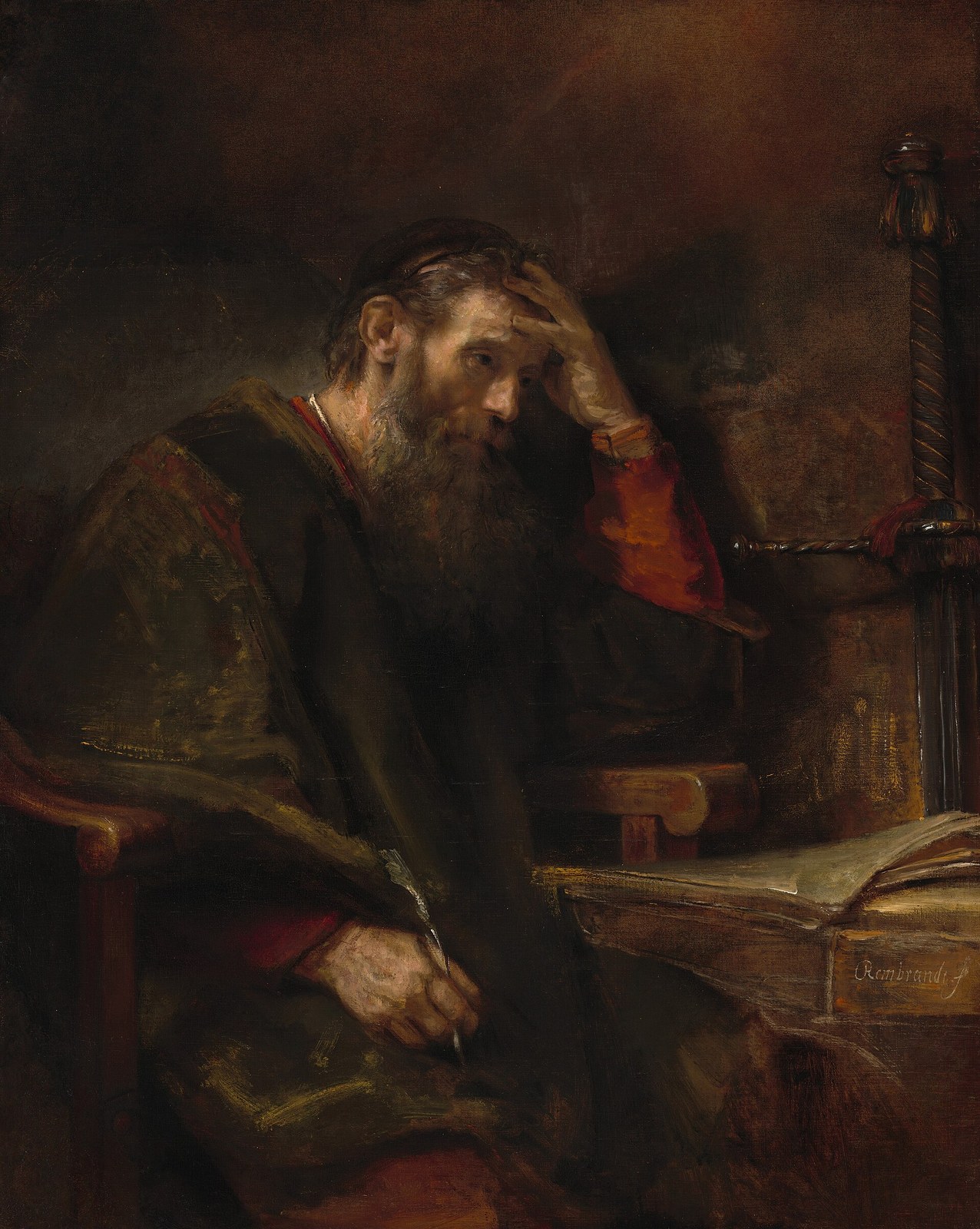
In the furious persecution waged by Constantine Copronymus against images and those who reverenced them, Paul, a Cypriot, was brought before the governor of that island, Theophanes
Read the essentials →In the furious persecution waged by Constantine Copronymus against images and those who reverenced them, Paul, a Cypriot, was brought before the governor of that island, Theophanes
Read the essentials →Traditional feast: March 17
March 17
Martyr
Short entry · the summary here is 112 words; Baring-Gould’s fuller original text and its sources are below. We have not filled any gap with invented detail.
Stay faithful when it costs you. Holding firm under pressure is part of this story.
Celebrate this saint’s feast day. Remember him on March 17 with a short prayer, and ask for his help.
During the intense persecution led by Constantine Copronymus against images and those who honored them, Paul, a man from Cyprus, was brought before the governor of the island, Theophanes Lardotyrus. He was ordered to choose between stepping on a crucifix placed before him or enduring torture on the rack. In response, he bent down and kissed the image of his Master, saying, "Far be it from me, Lord Jesus Christ, only begotten Son of God, to trample on Thy sacred representation." He was immediately stripped, pressed between two boards, his body was torn with iron combs, and then he was hung upside down over a fire that was piled around him until he was consumed.
In the furious persecution waged by Constantine Copronymus against images and those who reverenced them, Paul, a Cypriot, was brought before the governor of that island, Theophanes Lardotyrus, and was ordered to choose whether he would stamp on a crucifix laid before him, or suffer torture on the rack. In answer, he stooped and kissed the image of his Master, saying, "Far be it from me, Lord Jesus Christ, only begotten Son of God, to trample on Thy sacred representation." He was at once stripped, pressed between two boards, his body torn with iron combs, and then hung head downwards over a fire, which was heaped about him, till he was consumed.
Feast: March 17
One short email a day for nine days. The day's prayer, a line from St. Paul's story, and a nudge to keep going.
Retold in plain modern English from Baring-Gould’s public-domain text, sentence by sentence, keeping the same facts and order. Short explanations in parentheses are ours.
From Sabine Baring-Gould, The Lives of the Saints, new edition in 16 vols. (London: John C. Nimmo, 1897), digitized text from Project Gutenberg. Public domain in the United States. Reproduced unedited, except for short bracketed notes in grey that we added to explain names and terms (“S.” is the old abbreviation for Saint). Some history and judgments reflect 19th-century scholarship.