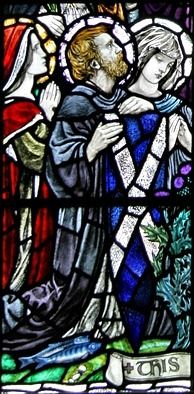
St. Kennocha

Kennocha lived in Scotland in the reign of King Malcolm II. On March 13th, the Ancient Scottish Church commemorated St. Kennocha, a virgin, who, desirous of consecrating herself wholly to Jesus Christ, met with long and vehement opposition from her parents and friends, and underwent from them great hardships and persecution, without shaking her constancy.

Read the essentials →
Feast March 13 · Virgin

St. Kennocha

Current feast

March 13 (also listed: March 25)
Secondary source · Wikipedia infobox

Traditional feast

March 13
1914 / pre-1969 calendar, per Baring-Gould (1897)

Represents

Virgin

Feast days

Feast: March 13

This Saint’s Story

Adapted in modern English from Alban Butler's Lives of the Saints · Baring-Gould original below · little is known

Though she was an only daughter and heiress of a rich, noble family, she turned away all suitors and, while still young, made her religious profession in a great nunnery in Fife.

There she grew in poverty, mortification and prayer, worked several miracles and died in a good old age in 1007. Several Scottish churches bore her name, among them St Kennoch's Kirk near Glasgow and Kyle, where her relics were kept.
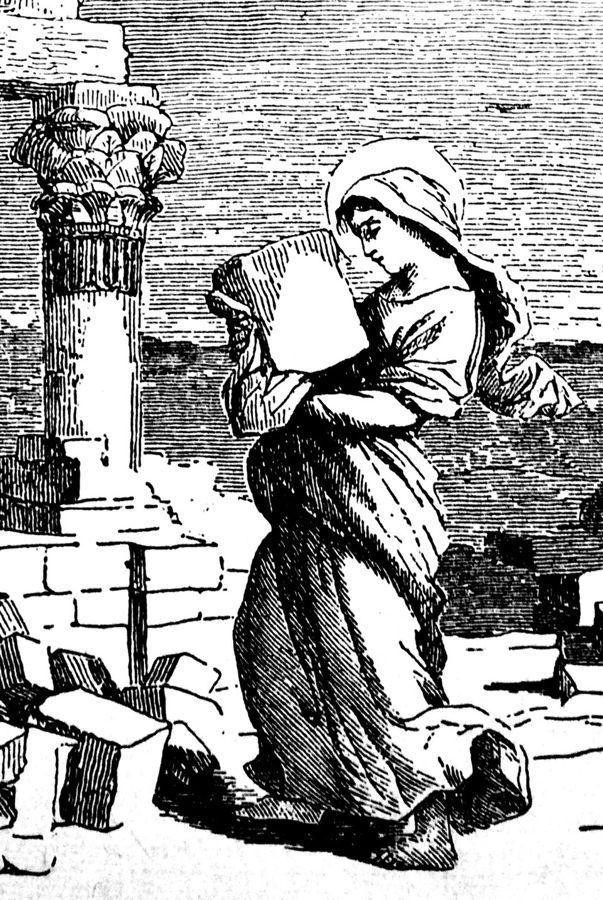
Short entry · the summary here is 68 words; Baring-Gould’s fuller original text and its sources are below. We have not filled any gap with invented detail.

What she represents

How she teaches us to live

Drawn from themes in the original account

Stay faithful when it costs you. Holding firm under pressure is part of this story.

Celebrate this saint’s feast day. Remember her on March 13 with a short prayer, and ask for her help.

The full story

Baring-Gould’s account retold in modern English

Read the full story · 67 words · about 1 min

On March 13th, the Ancient Scottish Church remembers St. Kennocha, a virgin. She wanted to dedicate herself completely to Jesus Christ. However, she faced strong and intense opposition from her parents and friends. They subjected her to great hardships and persecution, but she remained steadfast. She lived a solitary life of great severity and reached a good old age. She was buried in the church of Kyle.

Footnotes

  1. St. Kennocha: a virgin saint commemorated in the Ancient Scottish Church.
  2. Kyle: a location in Scotland.

Baring-Gould’s own footnotes, in modern English.

Read the original 1870s text

Baring-Gould’s sources: Aberdeen Breviary. Authority:—The same.

On March 13th, the Ancient Scottish Church commemorated S. Kennocha, a virgin, who, desirous of consecrating herself wholly to Jesus Christ, met with long and vehement opposition from her parents and friends, and underwent from them great hardships and persecution, without shaking her constancy. She led a life as a solitary of great severity, and attained a good old age. She was buried in the church of Kyle.

Help us add to this saint's story

Everything is read by a person before anything appears. Facts are checked against trusted sources first.

Facts are welcome; a source link helps (optional).With your permission we may share it on this page.

Nine days · Free

Pray the novena
with us.

One short email a day for nine days. The day's prayer, a line from St. Kennocha's story, and a nudge to keep going.

Also on March 13
St. Euphrasia

St. Euphrasia

March 13 · Virgin
M

St. Mochoemog of Liathmor

March 13 · Abbot
N

St. Nicephorus of…

March 13 · Patriarch
← All 1970 saints in the library
Sources & notes

Feast-day sources

Story sources

Sources

Credits

Image: Saints Medana, Andrew, and Kennocha by Karl Parsons 1910.jpg · Karl Parsons · Public domain, via Wikimedia Commons

Image: Karl Parsons, Wikimedia Commons (Public domain)

Retold in plain modern English from Baring-Gould’s public-domain text, sentence by sentence, keeping the same facts and order. Short explanations in parentheses are ours.

From Sabine Baring-Gould, The Lives of the Saints, new edition in 16 vols. (London: John C. Nimmo, 1897), digitized text from Project Gutenberg. Public domain in the United States. Reproduced unedited, except for short bracketed notes in grey that we added to explain names and terms (“S.” is the old abbreviation for Saint). Some history and judgments reflect 19th-century scholarship.