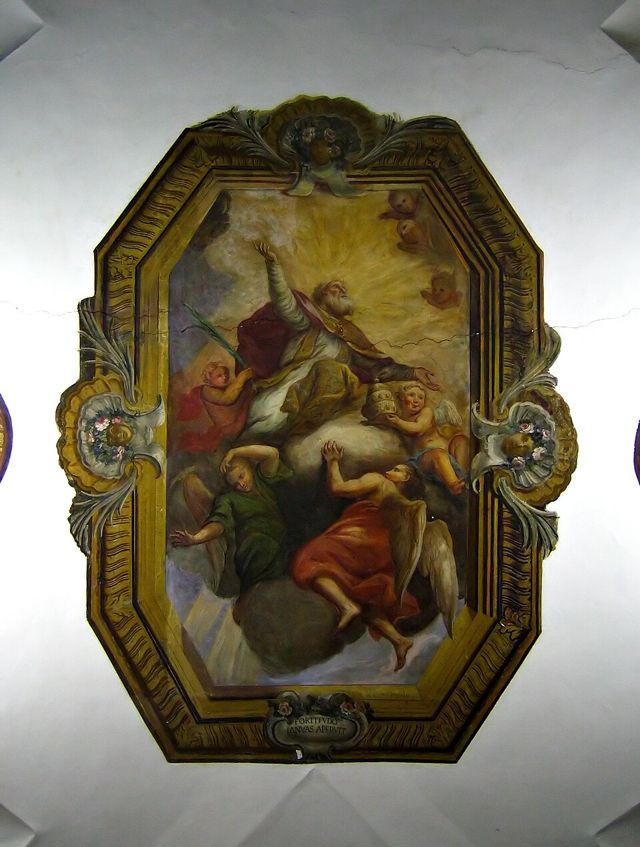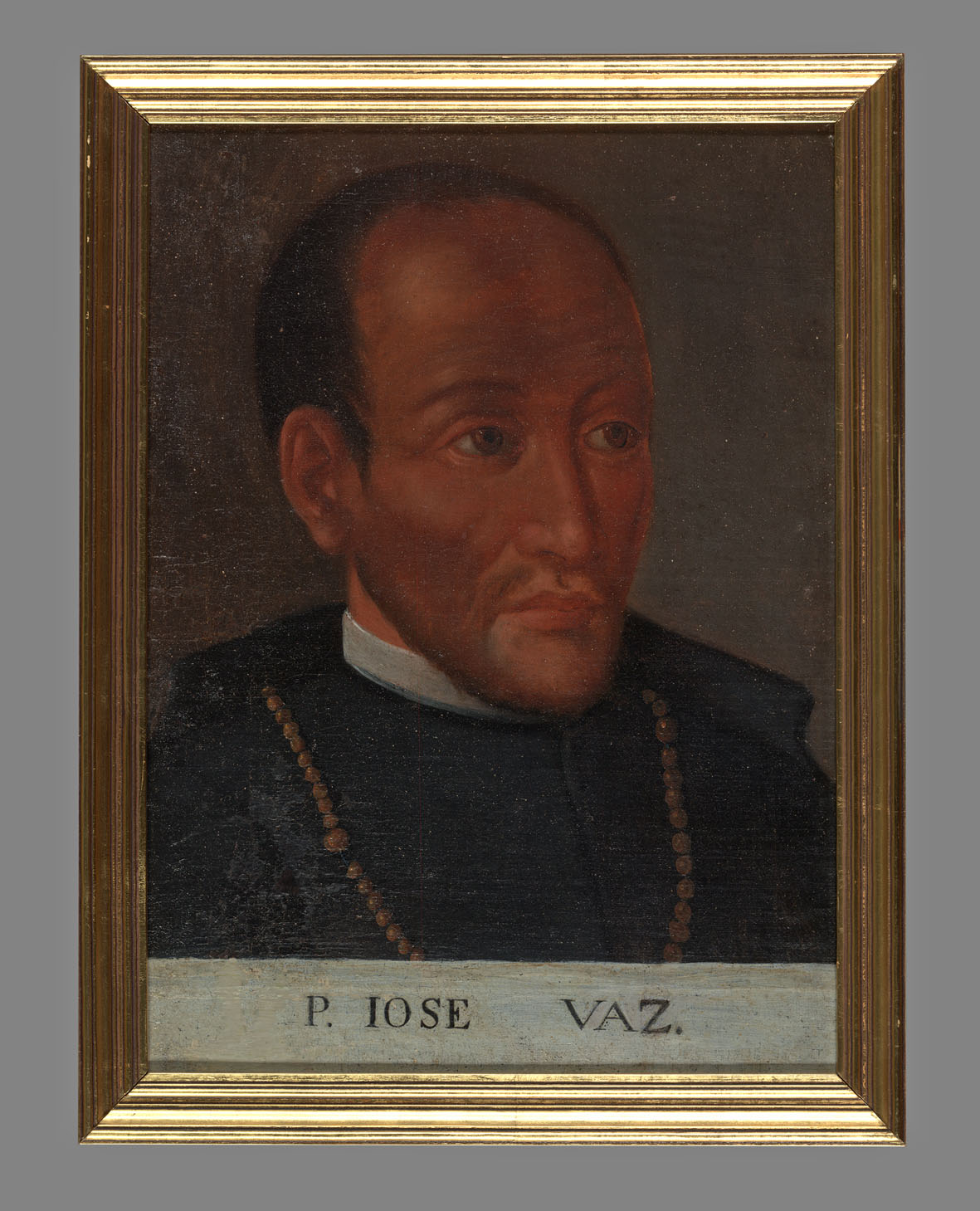
This Saint’s Story
He excelled in his studies, learning Portuguese and Latin, and pursued higher education in rhetoric, philosophy, and theology. After being ordained a priest in 1676, he became known for his preaching and dedication to the poor, even opening a Latin school for aspiring seminarians. His deep devotion led him to consecrate himself as a 'slave of Mary' in 1677, marking the beginning of his commitment to serve God and his community.
In 1681, Vaz was appointed Vicar Forane of Canara, where he faced significant challenges due to conflicts between the Padroado and Propaganda Fide authorities. His diplomatic efforts helped to ease tensions, allowing him to focus on missionary work. He revitalized the Catholic community in Canara by establishing Irmidades (confraternities) and building churches, despite the lack of priests. His reputation for holiness grew, and he became known for his compassion and dedication to the marginalized.
Vaz's desire to serve the Catholics of Ceylon, who were suffering under Dutch rule, led him to seek permission to go there in 1686. Upon arriving, he found the Catholic faith severely persecuted, forcing him to work in disguise. He initially settled in Sillalai, where he secretly celebrated Mass and connected with the hidden Catholic community. His efforts were met with hostility, and he was imprisoned in Kandy, but he continued to minister to the faithful even from behind bars.
After gaining the king's favor, Vaz was released and began to expand his mission throughout Ceylon. He traveled extensively, establishing churches and schools, and caring for the sick, especially during a devastating smallpox epidemic in Kandy. His selfless service earned him respect across religious lines, and he became a beloved figure in the region. Despite facing numerous dangers, he remained committed to his mission until his health declined.
Joseph Vaz passed away on January 16, 1711, in Kandy. His legacy of faith and perseverance led to his beatification by Pope John Paul II on January 21, 1995, and later canonization by Pope Francis on January 14, 2015, recognizing his significant contributions to the Catholic Church in Sri Lanka.