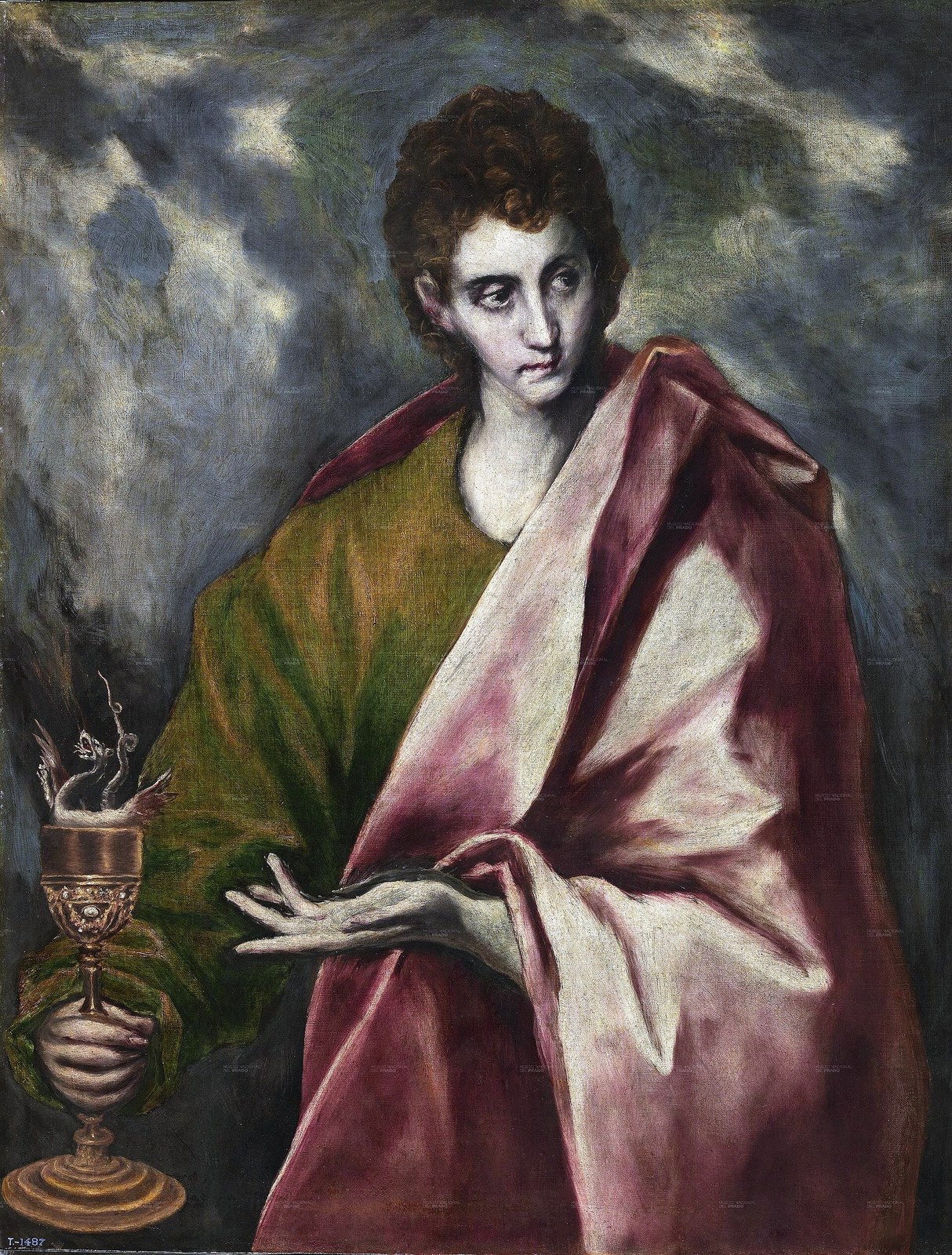
This day, the vigil of St. John the Baptist, saw the martyrdom of a priest named John, at Rome, under the Emperor Julian.
Read the essentials →This day, the vigil of St. John the Baptist, saw the martyrdom of a priest named John, at Rome, under the Emperor Julian.
Read the essentials →August 29
June 23
Priest
Martyr
Celebrate this saint’s feast day. Remember him on August 29 with a short prayer, and ask for his help.
This day, the vigil of S. John the Baptist, saw the martyrdom of a priest named John, at Rome, under the Emperor Julian. His head was struck off. The head was preserved in the church of S. Sylvester, at Rome, whence that church derived its name of Ad Caput, and the head was exhibited on this day. In course of time it was supposed that this was the head of S. John the Baptist, a mistake which Pope Martin IV. fell into, for he ordered a magnificent reliquary to be made for the head of “ the precursor of the Lord,” and Boniface VII. had inscribed thereon, “ Caput Sancti Joannis Baptistae.”
Feast: August 29
Traditional: June 23
One short email a day for nine days. The day's prayer, a line from St. John (June 23)'s story, and a nudge to keep going.
From Sabine Baring-Gould, The Lives of the Saints, new edition in 16 vols. (London: John C. Nimmo, 1897–98); text from the Internet Archive scan (OCR, lightly cleaned; errors possible). Public domain in the United States. Reproduced unedited, except for short bracketed notes in grey that we added to explain names and terms (“S.” is the old abbreviation for Saint). Some history and judgments reflect 19th-century scholarship.