This Saint’s Story
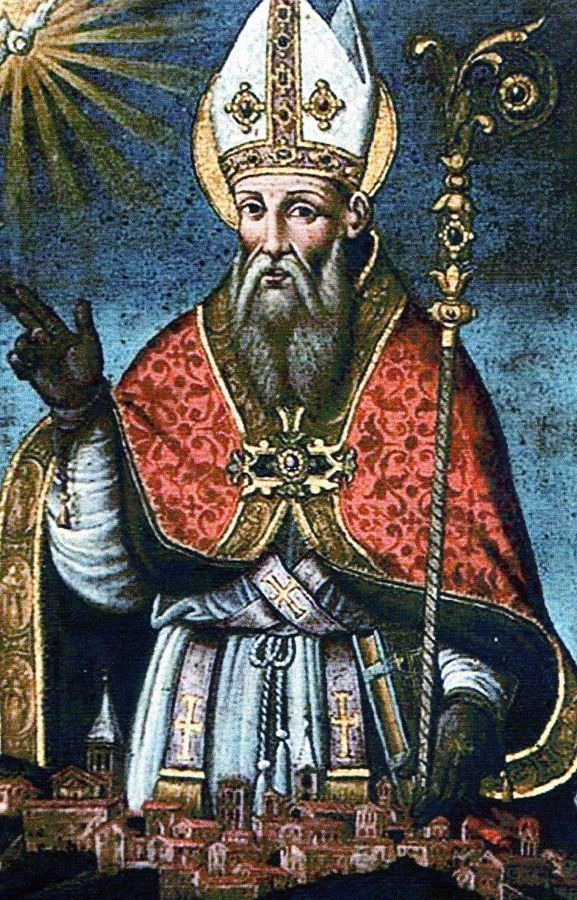
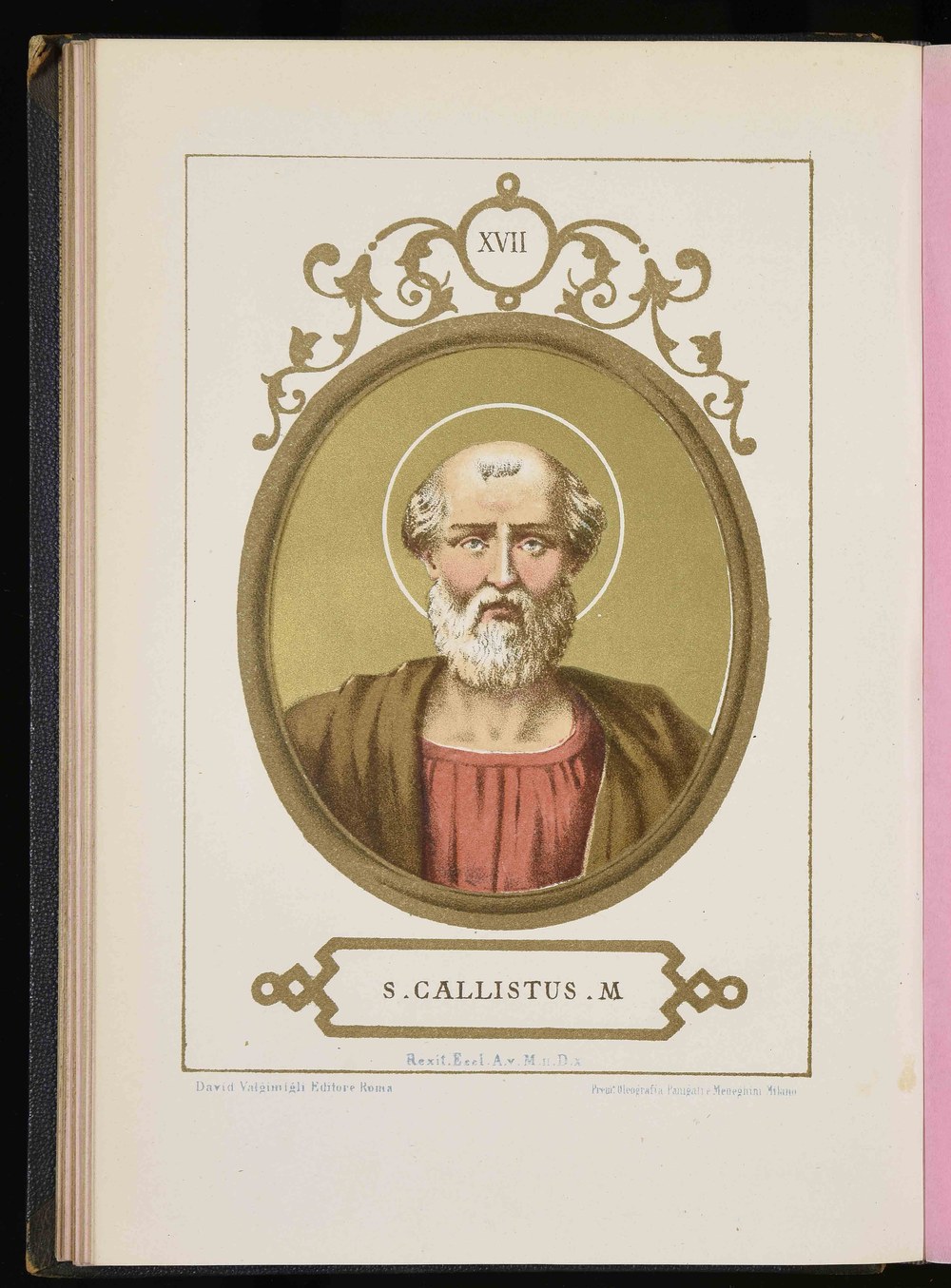
Callistus I, also spelled Callixtus, was bishop of Rome in the early third century. The Catholic Encyclopedia says his contemporary Julius Africanus dates his accession to 218 or 219, the first or second year of the emperor Elagabalus. Eusebius and the Liberian catalogue give him five years as bishop. The Encyclopedia dates his death about 223. Wikipedia gives the same span, about 218 to 222 or 223, under Elagabalus and Alexander Severus.
Before he was bishop he had been a slave and then a deacon trusted with the church's burial ground. That is the ordinary account of how the catacomb of Callistus on the Via Appia received his name. Hippolytus, a rival teacher in Rome, attacked Callistus for admitting people from breakaway groups and for forgiving serious sins after baptism. Hippolytus's booklet against him is angry and detailed, and it is the main narrative we have of his policy.
The Acts (the written account of a martyr's trial and death) that tell a detailed story of his death are spurious, the Encyclopedia says. His name is the earliest pope's name in the fourth-century Depositio Martyrum (a Roman list of martyrs' burial days, compiled in 354), so the Roman church honored him as a martyr from an early date. The General Roman Calendar keeps him on 14 October.
For today: Callistus was accused, by a rival, of forgiving too readily. You can read the accusation as Hippolytus's charge, and you can still ask what reconciliation asks of the person who returns.