This Saint’s Story
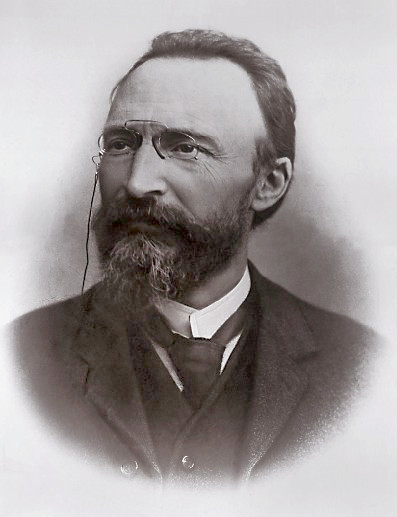
His parents were committed Catholics, but after his father's death in 1851, Longo's life took a different path. His stepfather encouraged him to pursue teaching, but Longo was determined to become a lawyer, which he achieved by studying at the University of Naples. The 1860s were tumultuous for the Catholic Church in Italy, as it faced opposition from rising nationalist movements. Influenced by peers, Longo became involved in occult practices and, by his own later account, went through a ceremony making him a "priest" of a Satanic sect, a path that led him into a dark period of despair and illness.
Longo's life began to change when he encountered Dominican (the Order of Preachers founded by St. Dominic) friar Alberto Radente and Sister Caterina Volpicelli, who introduced him to the rosary and devotion to the Virgin Mary. Their support helped him leave the occult behind and return to the Catholic faith. On October 7, 1871, he became a Dominican tertiary (a lay member of a religious order's 'Third Order', living in the world), adopting the name Rosario. He continued his legal career while also engaging in charitable work, particularly for the poor and sick, as he sought to restore faith among the people of Pompei, who were steeped in superstition and confusion about God.
In Pompei, Longo was alarmed by the people's lack of catechesis and their reliance on witchcraft. This realization deepened his commitment to promote the rosary as a means of spiritual renewal. With the help of Countess Marianna di Fusco, he founded a confraternity dedicated to the rosary and began restoring a dilapidated church. In 1875, he received a painting of Our Lady of the Rosary, which he displayed in the church. Reports of miracles soon followed, leading to an increase in pilgrimages and prompting the construction of a larger church, consecrated in 1891.
Longo's dedication to the rosary and the Virgin Mary extended beyond the church; he established various charitable institutions, including orphanages and homes for children of prisoners. His marriage to Countess di Fusco in 1885 was a partnership in faith and service, and together they contributed significantly to the community. Longo continued to promote the rosary until his death on October 5, 1926, at the age of 85. His body is now housed in a glass reliquary at the Shrine of Our Lady of Pompei, which he helped to establish.
Longo's cause for sainthood began in 1947, and he was beatified (declared 'Blessed', the step before sainthood) by Pope John Paul II on October 26, 1980, who referred to him as the 'Apostle of the Rosary.' His canonization was approved by Pope Leo XIV and took place on October 19, 2025, recognizing his significant contributions to the Church and his role in promoting devotion to the rosary.