This Saint’s Story
Raised in a Christian household by her father Eutolmius, she was educated in her faith by Evthalios, the Bishop of Byblos. At the tender age of twelve, she demonstrated her strong Christian convictions by converting a pagan friend through her example and teachings.
Her actions drew the attention of the local authorities, and she was accused of promoting Christianity. Brought before Governor Volusian, Aquilina boldly confessed her faith and refused to renounce Christ, despite his attempts to persuade her otherwise. In response to her steadfastness, Volusian ordered her to be tortured.
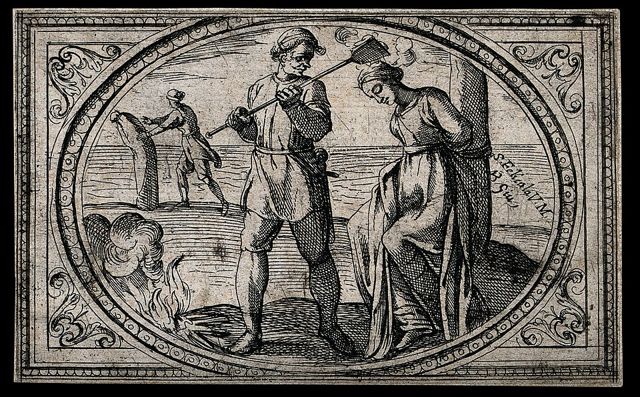
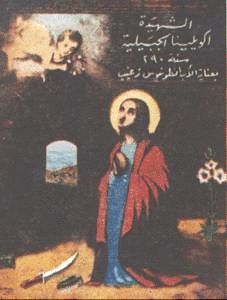
Aquilina endured severe punishments, including being struck, flogged, and having heated metal rods thrust through her ears. Believed to be dead, her body was discarded outside the city. However, according to tradition, an angel visited her that night, restoring her strength and urging her to denounce Volusian.
The next day, she returned to confront the governor, who then sentenced her to death for her defiance. Before the execution could take place, Aquilina passed away, and her fellow Christians buried her outside the city. Her tomb became a place of pilgrimage, and tradition tells of cures there. Eventually, her relics were moved to Constantinople, where a basilica was constructed in her honor, although it was later destroyed by fire.