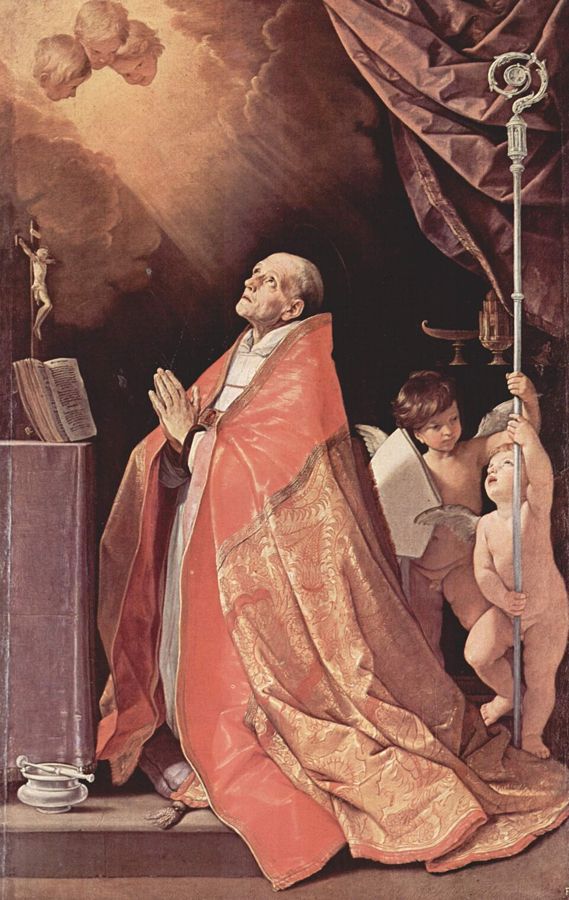
St. Andrew Corsini

Nicholas Corsini, of a great Florentine family, and his wife Peregrina long prayed for a child. Their prayer was heard, and on November 30th, 1302, a son was born to them, who received at the font the name of Andrew, because he was born on the festival of that apostle.

Read the essentials →
Feast February 4 · Bishop, Confessor

St. Andrew Corsini

Current feast

February 4 (also listed: January 6, January 9)
Secondary source · Wikipedia infobox

Traditional feast

February 3
1914 / pre-1969 calendar, per Baring-Gould (1897)

Represents

Bishop
Confessor

Feast days

Feast: February 4
Traditional: February 3

This Saint’s Story

Adapted in modern English from Baring-Gould (1897) · original text below

Their son was born on November 30, 1302, the feast of St. Andrew, and named after him. They dedicated him to God before he was born. But Andrew had a fierce, independent spirit that would bear no restraint, and he grew up to be counted the worst of the most dissolute young men of Florence. His parents kept praying.

One day, on his way out to some new wrongdoing, he came upon his mother weeping in prayer before an image of the Virgin. Struck, he stopped. 'Thou art the wolf whom I saw in a dream,' she said. Before his birth she had dreamed that she bore a wolf that ran into a church and became a lamb. 'My son, thou art not ours; thou belongest only to the service of God.' Andrew fell at her feet: 'The wolf shall indeed become a lamb. Pray for me, mother.' The next day he wept over his past before the Virgin's image in the Carmelite (an order that began with hermits on Mount Carmel in the Holy Land) church and asked that very hour to be admitted as a novice.

His novitiate was a constant battle with his passions. He became a model of self-control and was ordained priest in 1328. His preaching in Florence moved many hardened sinners to repent. After studies in Paris and at Avignon (in southern France, where the popes lived from 1309 to 1377) with his uncle, Cardinal Corsini, he became prior in Florence and was regarded as the apostle of the region. When he was elected bishop of Fiesole, he fled and hid in a Carthusian monastery. He was found only when a child cried out where he was praying, and he accepted, being consecrated in 1360.

As bishop he kept the penances he had taken on for the sins of his youth. He recited the seven penitential psalms daily, slept on a bundle of vine twigs and never spoke without need. Yet he showed great tenderness to sinners and had a gift for reconciling enemies. Pope Urban V sent him to make peace between the nobles and people of Bologna, and he succeeded. In his seventy-first year, while singing midnight Mass at Christmas, he was overcome by exhaustion and fever, and he died on January 6, 1373. In art he is shown between a wolf and a lamb.

Struggles & surrender

His struggles

  • The wolf and the lamb ·
    Andrew grew up with a vehement spirit that would bear no restraint, and he became one of the most dissolute young men of Florence while his parents prayed for him. Moved by his mother's tears, he repented and entered the Carmelites. His novitiate was a constant battle with his passions, and as bishop he still did penance daily for the sins of his youth.

What he represents

How he teaches us to live

Drawn from themes in the original account

Pray a little every day. Prayer is part of this story.

Share your faith, in words and by example. Preaching and conversion are part of this story.

Build up the community you belong to. Community life is part of this story.

The full story

Baring-Gould’s account retold in modern English

Read the full story · 1,051 words · about 5 min

Nicolas, a member of the famous Florentine family of Corsini, lived with his devout wife, Peregrina, for some time without having children. This was a great sorrow for them, and they prayed to God to grant them the blessing of a child, which He had so far withheld. Their prayers were answered, and on November 30th, 1302, a son was born to them. He was named Andrew at his baptism because he was born on the feast day of that apostle. His parents, who saw him as a gift from their prayers, had dedicated him to the Lord even before his birth. They aimed to instill in him a sense of devotion and morality during his childhood. However, Andrew had a strong, independent spirit that did not tolerate any restrictions, and he grew up to bring them great sorrow with his reckless lifestyle. Nevertheless, his father and mother continued to pray, holding on to hope.

The wild young man was known as one of the most dissolute youths in the city and was recognized as the worst among a bad crowd, completely godless and lost. But his parents kept praying. The mother would often kneel before a statue of the Queen of Heaven, and in her deep anguish, she cried out, "Oh, Mother of my Savior! You know how the soul of my child, for whom Your Son bled, is sinking into destruction. You know, Holy One! how, in his early youth, I dedicated my child to You and entrusted him to Your care. I have done everything an earthly mother can do to keep him pure and unblemished from the world! Now, have pity on me, weeping over my guilty son, You, whose tears flowed for Your innocent Son! You, who are so powerful, plead with Your divine Son that mine may be moved to true and heartfelt repentance."

While she was praying with tears streaming down her face, Andrew happened upon her one day as he was heading out to commit another act of wrongdoing. He stopped and looked at her, and a feeling of guilt stirred in his heart. Then, turning her tear-filled eyes toward him, she said, "I cannot doubt it; you are the wolf I saw in a dream."

"What do you mean, mother?" asked the young man.

She replied, "Before you were born, my child, I dreamed that I gave birth to a wolf that rushed into a church and was transformed into a lamb. Your father and I, because of this dream, placed you under the protection of the Mother of God. My son, you are not ours; you do not belong to the world, but only to the service of God. Oh, I wish that, just as the first part of my dream has come true, the second part might also be fulfilled!"

Andrew covered his face and fell at his mother's feet, sobbing, "Oh, good, pious mother! The wolf shall indeed become a lamb. You dedicated me to God, and I will also devote myself to Him. Pray, pray for me, mother, that I may obtain pardon for all my serious offenses."

The next day, Andrew sought the Church of the Carmelites. According to the story, kneeling before an image of the Holy Virgin, he wept bitterly over his past life, which now appeared to him in all its stark ugliness. He felt so strongly called by the grace of God that he resolved at once to escape from his evil companions and associations by entering the cloister. Therefore, he sought the convent door that same hour and asked to be admitted as a novice. He was received and spent his novitiate in constant struggle with his passions, working to erase the memory of his past by not allowing his mind to dwell on the thoughts of the evil he had done, except for the purpose of stirring up remorse and humbling himself deeply. After being received into the Order, he became a model of self-restraint and earnestness, so that in the year 1328, at the age of twenty-six, he was ordained a priest. Shortly after, he was appointed to preach in Florence, and his fervor and love for sinners produced remarkable results, moving many who had lived in sin to turn in sorrow to the cross and renounce their evil ways.

Andrew was then sent to Paris to continue his studies, where he was awarded the degree of doctor. After completing his studies with Cardinal Corsini, his uncle, in Avignon, he returned to Florence, where he was elected prior of his cloister. His reputation as a preacher of righteousness grew, and his sermons had such an impact that he was regarded as the apostle of the land.

After the death of the bishop of Fiesole, the chapter elected Andrew Corsini to be his successor. However, when the news of his election reached him, he fled and hid himself in a Carthusian monastery. He was sought for a long time in every direction without success, and the chapter, despairing of finding him, was preparing to elect another in his place when a child cried out, "He who is to be our bishop is praying in the Carthusian monastery." He was found there, and Andrew, recognizing this as the will of God, yielded and was consecrated bishop of Fiesole in 1360.

As a church leader, he maintained strict discipline over himself and never gave up the penance he had set for his youthful sins. This included reciting the Seven Penitential Psalms daily, sleeping on a bundle of vine twigs, and speaking only when necessary. However, despite being hard on himself, nothing could match the tenderness and love he showed when reaching out to the greatest sinners in his diocese. This love, which flowed from his heart, made him particularly successful in reconciling enemies. Knowing this, Urban V sent him to Bologna to calm a conflict that had erupted between the nobles and the people, and he accomplished this mission with remarkable success. In his 71st year, while he was singing midnight mass on Christmas Eve, he felt a great exhaustion, which was followed by a fever, and he died on January 6th, 1373.

Relics are located in the Carmelite Church in Florence.

In art, he is depicted between a wolf and a lamb.

Footnotes

  1. Relics are located in the Carmelite Church in Florence.
  2. In art, he is depicted between a wolf and a lamb.

Baring-Gould’s own footnotes, in modern English.

Read the original 1870s text

Baring-Gould’s sources: S. Andrew died Jan. 6th; he was formally canonized by Urban VIII., in 1629, and his festival was transferred to Feb. 4th. Authorities:—Two lives, one by a disciple, the other by Friar Peter Andrew Castagna, written a hundred years after his death.

Nicolas , a member of the illustrious Florentine house of Corsini, lived with his pious wife, Peregrina, for some time without children, which was to them a great grief, and they besought God to give them that blessing which He had hitherto withheld. Their prayer was heard, and on November 30th, 1302, a son was born to them, who received at the font the name of Andrew, because he was born on the festival of that apostle. His parents, who regarded him as the child of prayer, had already, before his birth, dedicated him to the Lord, and sought, in his childhood, to inspire him with devotion and morality. But Andrew was possessed of a vehement, independent spirit, which brooked no restraint, and he grew up to cause them bitter sorrow by his disorderly life. Nevertheless father and mother prayed on, hoping against hope. The wild youth passed for being one among the most dissolute young men of the city, and was acknowledged as the worst of a bad set, utterly godless and abandoned. But his parents prayed on. The mother cast herself before a figure of the Queen of Heaven, and, in the bitterness of her anguish of soul, cried, "Oh, Mother of my Saviour! Thou knowest how the soul of my child, for whom thy Son bled, is sinking to destruction. Thou knowest, Holy One! how, in his earliest youth, I dedicated my child to thee, and trusted him to thy protection, how I have done all that earthly mother can do to keep him clean and unspotted from the world! And now, pity me, weeping over my guilty son, thou, whose tears flowed for thy innocent Son! Thou, who art so mighty, entreat thy divine Son, that mine may be moved to true and broken-hearted repentance."

Thus praying, and with streaming eyes, Andrew lit upon her one day, as he was going forth to the commission of some new work of evil. He stood still and looked at her, and a feeling of compunction stirred his heart. Then, turning her reddened eyes towards him, she said, "I cannot doubt it; thou art the wolf whom I saw in a dream."

"What mean you, mother?" asked the young man.

She answered: "Before thou wast born, my child, I dreamt that I brought forth a wolf which rushed into a church, and was there transformed into a lamb. Thy father and I, on account of this dream, placed thee under the protection of the Mother of God. My son, thou art not ours, thou belongest not to the world, but only to the service of God. Oh, would to heaven, that as the first part of my dream has been fulfilled, the second part might find its accomplishment also!"

Andrew covered his face, and fell at his mother's feet, and sobbed forth: "Oh, good, pious mother! the wolf shall indeed become a lamb. Thou didst dedicate me to God, and to Him will I, also, devote myself. Pray, pray for me, mother, that I may obtain pardon for all my grievous offences."

Next day Andrew sought the Church of the Carmelites, and kneeling before an image of the Holy Virgin, wept bitterly over his past life, which now appeared to him in all its bare deformity. And he felt so powerfully called by the grace of God, that he resolved at once to take refuge from his evil companions and associations, in the cloister. He, therefore, sought the convent door that same hour, and asked to be admitted as a novice. He was received, and spent his novitiate in constant battle with his passions, and in trampling out the memory of the past, by not suffering his mind for a moment to repose on the thoughts of the evil he had done, save only for the purpose of stirring up compunction, and abasing himself in profound humility. After having been received into the Order, he became a model of self-restraint and earnestness, so that in the year 1328, at the age of twenty-six, he was ordained priest. He was shortly after appointed to preach in Florence; and his fervour and love for sinners produced very astonishing fruit, in moving many who had lived in sin to turn in sorrow to the cross, and renounce their evil ways. Andrew was next sent to Paris, there to prosecute his studies, and was there invested with the degree of doctor; and after he had completed his studies with Cardinal Corsini, his uncle, at Avignon, he returned to Florence, where he was elected prior of his cloister. His renown as a preacher of righteousness prevailed again, and his sermons produced such an effect, that he was regarded as the apostle of the land.

After the death of the bishop of Fiesole, the chapter elected Andrew Corsini to be his successor. But when the news of his election reached him, he fled away, and hid himself in a Carthusian [a strict order of hermit-monks founded by St. Bruno in 1084] monastery. He was sought for long in every direction, without result, and the chapter, despairing of finding him, were proceeding with the election of another, in his room, when a child cried out "He who is to be our bishop is praying in the Carthusian monastery." He was there sought, and Andrew recognising in this the will of God, yielded, and, in 1360, was consecrated bishop of Fiesole.

As prelate, he maintained the same discipline over himself, and never abandoned the penance he had imposed on himself for his youthful sins, of reciting daily the Seven Penitential Psalms, of sleeping on a faggot of vine twigs, and of never speaking without necessity. But however severe he was in his dealing with himself, nothing could exceed the tenderness and love with which he sought out and dealt with the greatest sinners in his diocese. And this love which overflowed from his heart rendered him peculiarly successful in reconciling enemies. Knowing this, Urban V. sent him to Bologna to appease a disturbance which had broken out between the nobles and the people, and he achieved this mission with signal success. In his 71st year, as he was singing midnight mass on Christmas Eve he felt great exhaustion, which was followed by a fever, from which he died on Jan. 6th, 1373.

Relics, in the Carmelite Church at Florence.

In Art he appears between a wolf and a lamb.
Help us add to this saint's story

Everything is read by a person before anything appears. Facts are checked against trusted sources first.

Facts are welcome; a source link helps (optional).With your permission we may share it on this page.

Nine days · Free

Pray the novena
with us.

One short email a day for nine days. The day's prayer, a line from St. Andrew Corsini's story, and a nudge to keep going.

Also on February 3
C

Sts. Celerinus

February 3 · Deacon, Confessor, Martyrs
F

St. Fortunatus

February 3 · Martyr
St. Blaise

St. Blaise

February 3 · Bishop, Martyr
← All 1970 saints in the library
Sources & notes

Feast-day sources

Story sources

Sources

Credits

Image: Guido Reni 039.jpg · Guido Reni · Public domain, via Wikimedia Commons

Image: Guido Reni, Wikimedia Commons (Public domain)

Retold in plain modern English from Baring-Gould’s public-domain text, sentence by sentence, keeping the same facts and order. Short explanations in parentheses are ours.

From Sabine Baring-Gould, The Lives of the Saints, new edition in 16 vols. (London: John C. Nimmo, 1897), digitized text from Project Gutenberg. Public domain in the United States. Reproduced unedited, except for short bracketed notes in grey that we added to explain names and terms (“S.” is the old abbreviation for Saint). Some history and judgments reflect 19th-century scholarship.